

Travel Preparation
How to Plan Your First Trip to Greece from the United States
Navigating Mediterranean logistics requires checking passport validity rules, understanding local ferry schedules, and preparing for European electrical standards.
Greece specialist · September 10, 2026 · 9 min read

Start by verifying your US passport expires at least three months after your intended departure date from the Schengen Area. If you transit through London, check the UK Electronic Travel Authorisation requirements.
Map out your itinerary based on ferry routes rather than proximity on a map. Athens serves as the main flight hub, while high-speed ferries connect the mainland to heavily visited Cycladic islands like Mykonos and Santorini.
Set up a mobile data plan before departure, either through an international roaming package with your US carrier or by purchasing a prepaid European eSIM to ensure navigation works upon landing at Athens International Airport.
What to Sort Out Before Leaving
ETIAS and Visa Requirements
US citizens currently travel to Greece visa-free for up to 90 days, but the European Union plans to implement the ETIAS authorization system. Check the official EU website for the rollout status before booking your flights.
Electrical Adapters and Voltage
Greece uses Type C and Type F plugs with a standard voltage of 230V, compared to the 120V US standard. Bring a physical adapter and verify that your electronics are dual-voltage to avoid frying them.
Island Routing and Transit
Domestic flights via Aegean Airlines or Olympic Air often save a day of travel compared to ferries. Ferries run frequently in July and August but operate on reduced schedules between November and March.
Health and Travel Insurance
US Medicare does not cover medical care in Europe. Purchase a travel insurance policy that includes emergency medical evacuation, especially if you plan to hike the Samaria Gorge in Crete.
Packing for the Terrain
Cobblestone streets in Athens and steep stairs in Santorini destroy standard rolling luggage wheels. Pack a travel backpack or a sturdy duffel bag, and bring rubber-soled shoes for the slippery marble steps at the Acropolis.
Once you are there, let it guide you
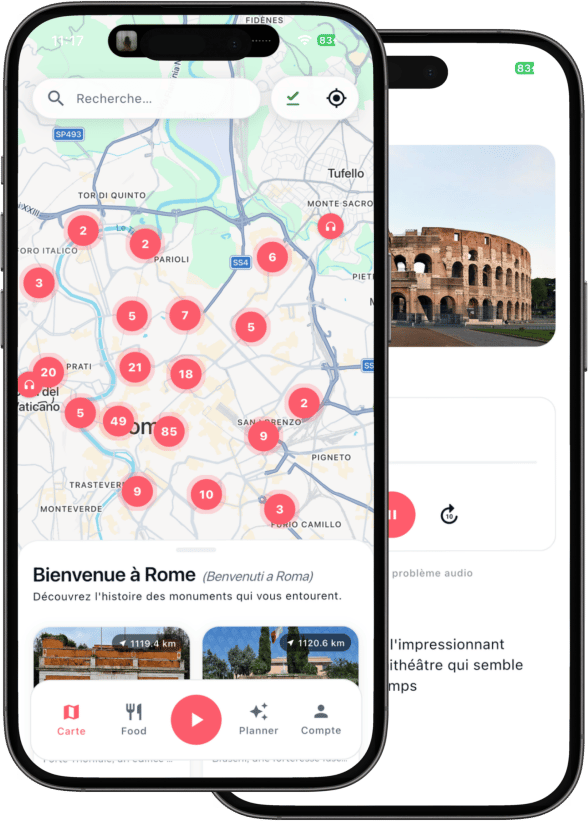
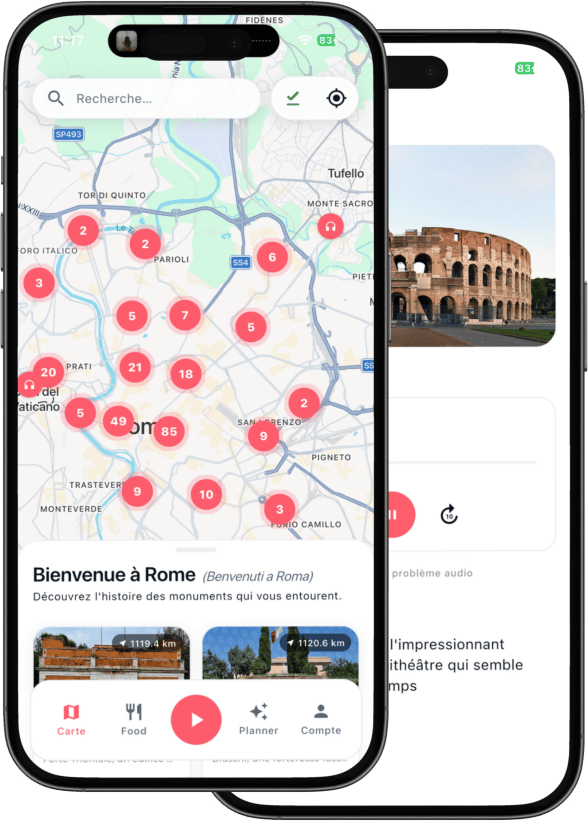
The CityGuide Athens audio guide starts by itself in front of every stop on your itinerary.
Full audio guide
$21.90 $39.90
★ 4.8/5 · 15 reviews
30-day money-back guarantee
When to Visit Greece
The Mediterranean climate dictates hotel availability and ferry operations across the Aegean.
Temperatures frequently exceed 90 degrees Fahrenheit, and crowds peak on Mykonos and Santorini. Expect top-tier hotel rates and book ferries months in advance.
The Aegean Sea retains its summer warmth for swimming, while daytime temperatures drop to a comfortable range for exploring archaeological sites. Many seasonal restaurants close by late October.
Island ferries operate on skeleton schedules, and most beachfront hotels shutter entirely. Athens remains active, offering lower room rates and uncrowded access to the National Archaeological Museum.
Wildflowers bloom across the Peloponnese and mainland temperatures stay mild. Sea water remains chilly until late May, making this better for hiking than swimming.
Estimating Your Travel Expenses
Costs vary heavily depending on the island group and the season of your visit.
Direct flights from New York to Athens command the highest fares, especially during July. Booking a layover in a major European hub like Frankfurt or Paris often lowers the airfare.
Luxury cliffside villas in Santorini represent the highest expense bracket in the country. Guesthouses on less frequented islands like Naxos or Paros cost a fraction of the price of the major Cyclades.
High-speed catamaran ferries cost significantly more than slower car ferries. Renting a car requires an International Driving Permit for US citizens and adds daily rental and fuel costs.
Tavernas serving local dishes like moussaka or souvlaki provide substantial meals at lower price points than seafood restaurants lining the main ports. Tap water is safe to drink in Athens but bottled water is necessary on most islands.
Navigating Daily Life in Greece
Tipping Culture
Unlike the US standard of 20 percent, tipping in Greece is modest. Leaving a few euros on the table at a taverna or rounding up the taxi fare is sufficient for good service.
Cash vs Cards
While Greek law mandates that businesses accept credit cards, card machines frequently lose connection on remote islands. Carry euros for small purchases like bus tickets or bakery items.
Language and Communication
English is widely spoken in hospitality sectors across Athens, Mykonos, and Santorini. Learning basic Greek phrases like kalimera (good morning) and efcharisto (thank you) facilitates smoother interactions at local markets.
Dining Hours
Greeks eat dinner late by American standards, rarely sitting down before 9:00 PM. Restaurants remain open past midnight, and arriving at 7:00 PM usually means dining alone.
Restroom Etiquette
Greek plumbing systems feature narrow pipes that clog easily. Place all used toilet paper in the small bin provided next to the toilet rather than flushing it down.
What to Book Ahead
Securing reservations prevents sold-out disappointments during peak travel months.
-
Purchase timed-entry tickets for the Acropolis in Athens weeks before your arrival to bypass the main ticket office line.
-
Reserve high-speed ferry seats between Athens and the Cyclades early, as summer routes sell out quickly.
-
Book domestic flights to islands like Crete or Rhodes well in advance to secure lower fares.
-
Secure tables at popular sunset-view restaurants in Santorini at least a month prior to your visit.
-
Arrange your rental car early if you require an automatic transmission, as European fleets consist primarily of manual vehicles.
Guiding Your Exploration
Different tools suit different styles of navigating ancient ruins and modern cities.
Traditional Guidebooks
A printed book provides historical context and regional maps without requiring a battery charge, though restaurant recommendations date quickly.
Group Guided Tours
Following a local guide through the Delphi ruins ensures you learn the specific history of the Oracle, but dictates a rigid schedule.
Location-Aware Audio Guides
A GPS-triggered app on your smartphone plays historical commentary exactly when you reach specific monuments in Athens, allowing you to explore at your own pace.
— Questions fréquentes
Frequently Asked Questions for US Travelers
US passport holders currently enter the Schengen Area without a visa for up to 90 days. Check the official ETIAS website for the planned electronic authorization requirement before your trip.
Most modern US smartphones function in Europe. You must activate an international roaming plan with your carrier or install a European eSIM for data access.
Tap water is safe to drink in Athens and major mainland cities. On the islands, plumbing infrastructure varies, and locals rely on bottled water.
Yes, Greek law requires US citizens to carry an International Driving Permit alongside their valid US driver's license to rent a car or scooter.
Greece operates on Eastern European Time. This puts Athens seven hours ahead of Eastern Standard Time, though daylight saving shifts can briefly alter this gap.
No, businesses in Greece only accept euros. Withdraw local currency from bank ATMs rather than using currency exchange booths to secure better exchange rates.
— Pour aller plus loin
Ready for the Aegean?
Download our offline audio guides to navigate the ancient streets of Athens and the island ports without relying on cellular data.
Get the App