

Travel Planning
How to Plan Your First Trip to Italy from the US
Organizing a first European trip requires navigating passport rules, regional train schedules, and different electrical standards before you even pack your bags for Rome or Florence.
Italy specialist · September 10, 2026 · 9 min read
Begin by verifying your US passport validity. Italy requires your passport to be valid for at least three months beyond your planned date of departure from the Schengen Area. If your passport expires soon, renew it immediately, as US processing times fluctuate.
Draft an itinerary based on the high-speed rail network rather than driving. Frecciarossa and Italo trains connect Milan, Florence, Rome, and Naples efficiently. Renting a car makes sense mostly for rural areas like Tuscany or the Amalfi Coast near Sorrento, where regional buses operate less frequently.
Check the current status of the ETIAS authorization system. The European Union plans to implement this requirement for visa-exempt visitors, including US citizens, but the exact rollout date remains unconfirmed. Monitor official EU websites to see if you need to apply before your flight.
What to Sort Out Before Leaving
Passports and Travel Authorizations
Ensure your US passport meets the Schengen validity rule. Keep an eye on the forthcoming ETIAS requirement, and if your flight transits through London, verify if you need the UK Electronic Travel Authorisation before boarding.
Electrical Adapters and Voltage
Italy operates on a 230V supply frequency of 50Hz, unlike the US 120V system. You need a Type C, F, or L plug adapter. Check your electronics; items like hair straighteners often require a voltage converter, whereas most laptop chargers are dual-voltage.
Mobile Data and Connectivity
Call your US carrier to check international roaming rates, which are often high. An alternative is buying a prepaid eSIM from providers like Airalo or Holafly before departure, allowing you to connect to local networks like TIM or Vodafone immediately upon landing.
International Driving Permit
If you plan to rent a car to drive from Palermo to other parts of Sicily, Italian law requires US drivers to carry an International Driving Permit alongside their state-issued driver license. You can obtain an IDP at AAA branches in the US.
Credit Cards and Foreign Transaction Fees
Notify your bank of your travel dates to prevent your cards from being blocked for suspicious activity. Bring a Visa or Mastercard with no foreign transaction fees, as Discover and American Express are rarely accepted in smaller Italian shops.
Once you are there, let it guide you
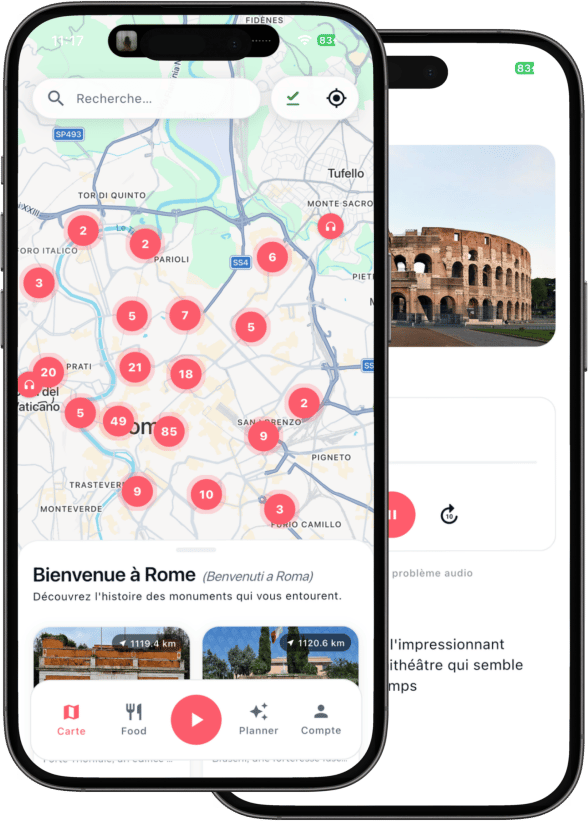
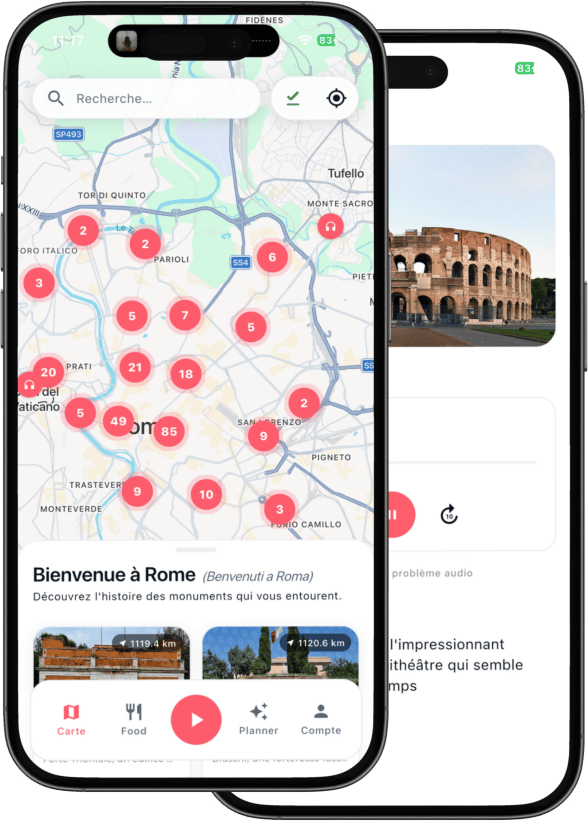
The CityGuide Rome audio guide starts by itself in front of every stop on your itinerary.
Full audio guide
$21.90 $39.90
★ 4.8/5 · 15 reviews
30-day money-back guarantee
When to Go to Italy
Italy experiences distinct regional climates, making the timing of your trip crucial for both budget and comfort.
Temperatures in Rome and Naples frequently exceed 90 degrees Fahrenheit. Expect peak airfare from the US, long lines at the Vatican, and mandatory advance bookings for ferries to islands like Capri.
The weather cools down, making city walking in Florence and Verona more comfortable. Hotel rates remain high, particularly during September, as this is a preferred travel window for North American retirees.
Venice often experiences acqua alta flooding, and coastal towns like Sorrento shut down many hotels and restaurants. This is the most affordable time to fly from the US, suitable for museum-focused itineraries.
Rain is common in April, but May brings blooming gardens and moderate temperatures. Airfare and accommodation costs rise steadily toward summer rates, and school groups crowd major historical sites.
Budgeting for Your Trip
Costs vary wildly between northern business hubs like Milan and southern cities like Palermo.
Direct flights from JFK or LAX to Rome (FCO) or Milan (MXP) consume a large portion of the budget. Flying into one city and out of another saves train fare but often increases the initial ticket cost.
A standard hotel room in central Venice or Florence costs significantly more than a comparable room in Naples. Booking platforms often display the nightly rate, but you will also pay a municipal city tax in cash upon checkout.
Sitting down for coffee costs more than standing at the bar. A traditional dinner includes an antipasto, a first course of pasta, and a meat or fish course, though ordering all three is not mandatory.
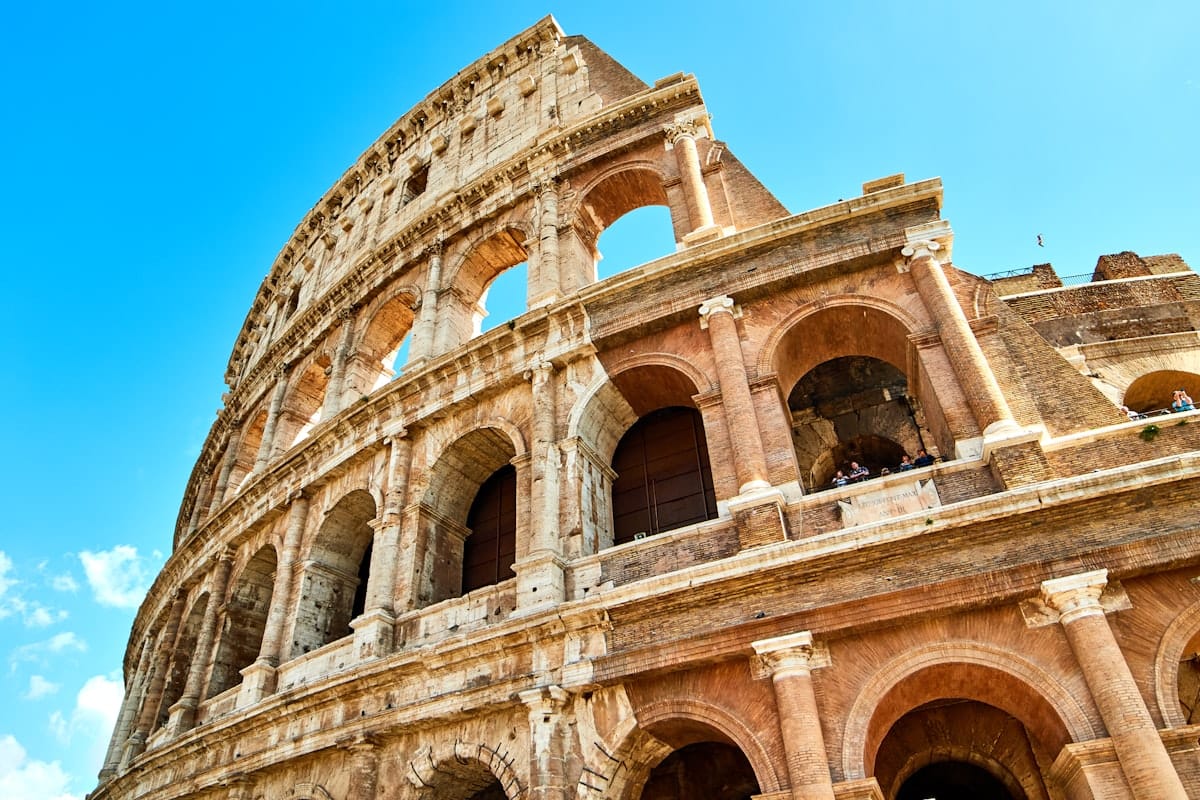
State museums charge entry fees, and private skip-the-line tours multiply that cost. Budget for advance tickets to sites like the Colosseum or the Uffizi Gallery to avoid standing in ticket queues.
Navigating Italy on the Ground
High-Speed and Regional Trains
Trenitalia and Italo operate high-speed routes requiring reserved seats. Regional trains connecting smaller towns do not have assigned seating, but you must validate your paper ticket at a machine on the platform before boarding to avoid fines.
Tipping Customs
Tipping is not the 20 percent standard expected in the US. Waitstaff receive a regular wage. A coperto cover charge is usually added to your restaurant bill to cover bread and table service. Leaving a few extra euros for exceptional service is sufficient.
Cash vs. Card
Contactless payment is widespread for train tickets and large restaurant bills. However, you need euro coins for public restrooms, small espresso purchases, and market stalls in cities like Palermo. Withdraw cash from bank ATMs rather than independent exchange kiosks.
Language and Communication
English is common in the tourism industry in Rome and Florence, but less so in rural areas or southern regions. Learning basic Italian phrases like buongiorno and grazie is expected before initiating a conversation.
Public Safety and Scams
Violent crime is rare, but pickpocketing is common in crowded areas like the Milan Metro and around the Trevi Fountain. Keep your passport secured in a hotel safe and carry a cross-body bag that zips completely shut.
What to Book Ahead
Spontaneous travel in Italy often leads to sold-out attractions and standing-room-only trains.
-
Purchase tickets for the Last Supper in Milan months in advance, as access is strictly limited to small groups.
-
Book high-speed train tickets between major cities as soon as schedules open to secure the lowest fares.
-
Reserve entry to the Vatican Museums and the Colosseum online to bypass the general admission lines.
-
Secure accommodation in coastal towns like Sorrento early, especially if you plan to visit during the summer.
-
Make dinner reservations for highly-rated restaurants in Florence and Rome, as walk-ins are frequently turned away.
Tools to Enhance Your Trip
Different resources suit different travel styles once you arrive.
Traditional Guidebooks
Physical books provide historical context and maps without draining your phone battery, though restaurant recommendations date quickly.
Group Guided Tours
Following a guide with a flag ensures you see the main sights, but limits your ability to linger at specific exhibits.
Location-Aware Audio Guides
Smartphone apps use GPS to trigger audio commentary as you walk through cities like Verona, offering historical facts at your own pace.
— Questions fréquentes
Frequently Asked Questions
US citizens traveling for tourism do not currently need a visa for stays up to 90 days. However, you will soon need to apply for an ETIAS authorization before your trip, so check the official EU website for updates.
Most modern phone chargers are dual-voltage and accept Italy's 230V power. You will only need a physical plug adapter, specifically Type C, F, or L, to fit the US prongs into the Italian wall socket.
Tap water is safe to drink across Italy. Cities like Rome have public fountains called nasoni where you can refill your reusable water bottle for free.
Tipping taxi drivers is not expected in Italy. Most locals simply round up to the nearest euro to make the transaction easier when paying with cash.
Uber operates only in a few major cities like Rome and Milan, and it is restricted to the more expensive Uber Black service. Locals use apps like FreeNow or ItTaxi to hail standard city cabs.
The coperto is a per-person cover charge legally applied by restaurants to cover bread, tableware, and the seat itself. It replaces the need for a percentage-based tip.
— Pour aller plus loin
Ready to plan?
Download our checklist to track your passport renewal, train bookings, and adapter purchases.
Get the Checklist