

Spain Travel Planning
How to Plan Your First Trip to Spain from the United States
Traveling to Spain requires understanding Schengen visa rules, navigating regional train networks like Renfe, and adjusting to late dining hours. This guide outlines the logistical steps American citizens need to take before boarding a flight to Madrid or Barcelona.
Spain specialist · September 10, 2026 · 9 min read

Planning a trip to Spain starts with checking your US passport validity. The Schengen Area requires your passport to be valid for at least three months beyond your planned date of departure from Europe.
Your itinerary dictates your transport strategy. Connecting Madrid, Seville, and Valencia relies heavily on the AVE high-speed train network, while exploring smaller towns in Andalusia like Granada requires booking ALSA regional buses.
Accommodation and major attraction tickets demand advance booking. The Alhambra in Granada and the Sagrada Familia in Barcelona operate on strict daily capacity limits, meaning walk-up tickets are rarely available during the summer.
What to Sort Out Before Leaving the US
Passport and ETIAS Requirements
US citizens currently travel to Spain visa-free for tourist stays up to 90 days. The European Union is planning to implement the ETIAS authorization system for visa-exempt visitors. Check the official EU website for the current status and apply before your trip if the system is active.
Power Adapters and Voltage Converters
Spain uses Type C and Type F wall outlets delivering 230V at 50Hz, compared to the 120V standard in the US. You need a physical plug adapter for all electronics, and a voltage converter for devices like hair straighteners that do not have dual-voltage power supplies.
Mobile Data and eSIMs
Using a US mobile carrier plan in Spain often incurs high daily roaming charges. Purchasing a prepaid eSIM from providers like Airalo or Holafly before departure allows your phone to connect to local networks like Movistar or Orange the moment you land.
Credit Cards and Foreign Transaction Fees
Visa and Mastercard are widely accepted in Spanish restaurants and hotels, but American Express is frequently rejected by smaller merchants. Bring a card with no foreign transaction fees and inform your bank of your travel dates to prevent automated fraud blocks.
Choosing Your Entry and Exit Cities
Booking an open-jaw flight ticket saves transit time. Flying into Madrid-Barajas Airport and out of Barcelona-El Prat prevents the need to backtrack across the country at the end of your itinerary.
Once you are there, let it guide you
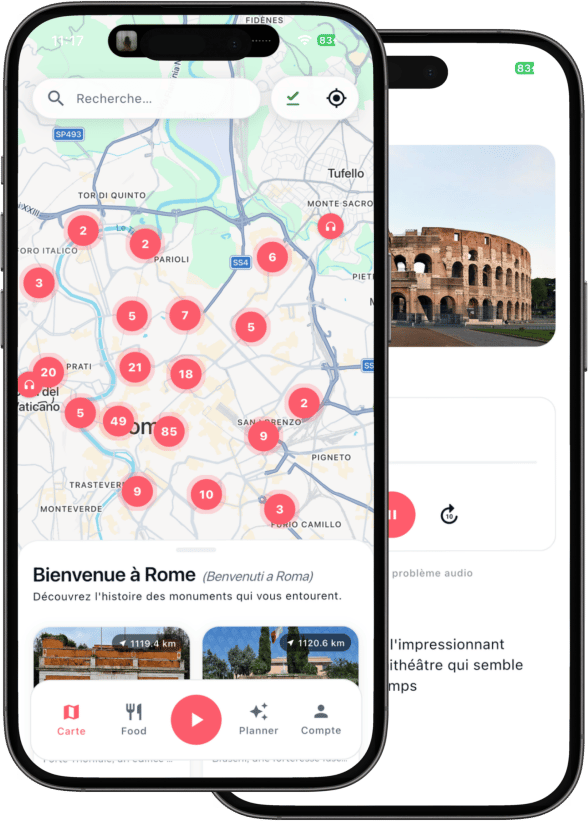
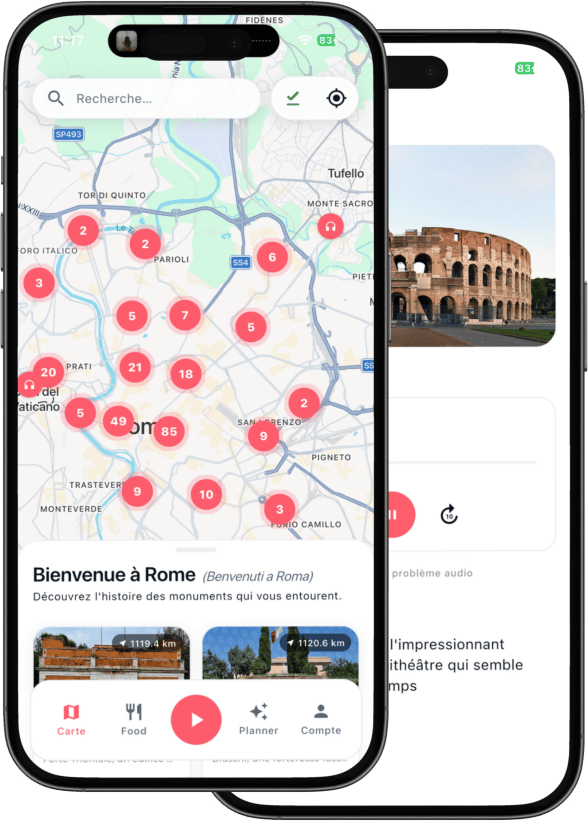
The CityGuide Barcelona audio guide starts by itself in front of every stop on your itinerary.
Full audio guide
$21.90 $39.90
★ 4.8/5 · 15 reviews
30-day money-back guarantee
When to Travel to Spain
Spain experiences drastic regional climate variations, making the timing of your trip a crucial factor in your itinerary planning.
Temperatures in Seville and Cordoba frequently exceed 100 degrees Fahrenheit, prompting locals to close shops in the afternoon. Coastal cities like Malaga and Valencia reach peak hotel occupancy.
The Mediterranean waters remain warm enough for swimming in early September. Accommodation rates in Barcelona drop compared to August, and the grape harvest begins in the La Rioja wine region.
Madrid experiences freezing temperatures and occasional snow, while the Canary Islands maintain mild weather. Flight prices from the US reach their lowest point, excluding the weeks around Christmas.
Orange trees bloom in Valencia and Seville hosts the Feria de Abril. This period offers moderate temperatures for walking tours, though rainfall is common in the northern Basque Country.
Estimating Your Travel Budget
Spain remains generally more affordable than northern European destinations, though costs vary heavily depending on the region and the season.
Direct flights from East Coast hubs like JFK or Miami to Madrid are consistently cheaper than routes requiring layovers to reach regional airports like Seville or Granada.
A mid-range hotel in central Barcelona or Madrid commands a premium over similar lodging in Valencia or Malaga. Booking non-refundable rates three months in advance yields the lowest tariffs.
Sitting down for a multi-course dinner at a restaurant incurs higher costs than ordering tapas at the bar. Many establishments offer a menu del dia at lunch, providing a starter, main course, and drink for a fixed rate.
Last-minute tickets on the AVE high-speed trains cost significantly more than those purchased weeks ahead on the Renfe website. Regional buses offer a cheaper alternative for connecting Andalusian cities.
Navigating Daily Life in Spain
Tipping Customs
Tipping 20 percent is not the standard in Spain. Waitstaff receive a standard wage, so leaving a few coins or rounding up the bill is sufficient for a casual meal, while five to ten percent is appropriate at fine dining establishments.
Dining Hours
Spanish meal times operate on a later schedule than the US. Lunch is typically served between 2:00 PM and 4:00 PM, and most restaurant kitchens do not open for dinner until 8:30 PM.
Cash and Contactless Payments
While contactless payment is the norm in major cities, carrying Euro banknotes is necessary for small purchases at local markets or rural cafes. Always choose to pay in Euros rather than US Dollars if a card machine offers dynamic currency conversion.
Language and Regional Dialects
Castilian Spanish is spoken nationwide, but regional languages hold official status. You will see street signs in Catalan in Barcelona, Valencian in Valencia, and Basque in San Sebastian.
Safety and Pickpocketing
Violent crime rates are low, but pickpocketing is prevalent in crowded tourist areas like Las Ramblas in Barcelona and the Madrid Metro. Keep your passport secured in a hotel safe and carry a crossbody bag with a zipper.
What to Book Before You Leave
Securing entry to major Spanish landmarks requires proactive planning.
-
Purchase Alhambra tickets in Granada at least two months in advance, as the Nasrid Palaces have strict entry time slots.
-
Book Sagrada Familia and Park Guell tickets in Barcelona directly through the official websites to avoid third-party markups.
-
Reserve seats on the Renfe high-speed trains between Madrid and Seville as soon as the timetable opens to secure the lowest fares.
-
Secure reservations for Michelin-starred restaurants or popular tapas bars in San Sebastian several weeks prior to arrival.
-
Buy tickets for the Prado Museum in Madrid online to bypass the physical ticket office queue during peak morning hours.
Ways to Explore Spanish Cities
Choosing how to discover a new city dictates the pace of your trip.
Paper Guidebooks
Traditional travel books provide historical context and offline maps. However, printed restaurant recommendations and opening hours frequently become outdated within months of publication.
Group Guided Tours
Following a local guide ensures you learn the factual history of landmarks like the Alcazar in Seville. The downside is the rigid schedule and the necessity to move at the pace of the largest group.
Location-Aware Audio Guides
Smartphone applications use GPS to trigger audio narration as you walk past monuments in Madrid or Valencia. This format allows you to pause the commentary to enter a shop or cafe whenever you choose.
— Questions fréquentes
Frequently Asked Questions for US Travelers
US citizens do not currently need a visa for tourist stays up to 90 days in the Schengen Area. The ETIAS travel authorization is planned for the future, so verify its status before booking.
Tap water is safe to drink across mainland Spain. The water in Madrid is known for its good taste, while coastal areas like Valencia have harder water that prompts many locals to buy bottled water.
Your US charger requires a Type C or Type F plug adapter to physically fit into the wall. Modern phone chargers handle 230V, but check the small print on the plug to ensure it says 100-240V.
Most retail stores, supermarkets, and shopping malls close on Sundays. Pharmacies operate on a rotating duty schedule, and some souvenir shops in central tourist zones remain open.
Madrid-Barajas connects to the city via the Metro Line 8 and the Cercanias train. Barcelona-El Prat offers the Aerobus, which runs directly to Plaza Catalunya.
Renting a car is unnecessary for traveling between major cities like Madrid, Seville, and Valencia due to the extensive high-speed train network. A vehicle is only required if you plan to explore rural areas like the white villages of Andalusia.
— Pour aller plus loin
Ready to Walk the Streets of Barcelona?
Download our location-aware audio guide app before your flight. It works entirely offline, meaning you will not consume your international data allowance while exploring the Gothic Quarter.
Get the App