

— TRAVEL TIPS · MILAN
Visit Milan in 3 days
Three days give you plenty of time to take in the major frescoes and Gothic architecture without rushing. While not quite enough to explore the Lombard lakes, it is the perfect duration to wander the historic centre and the canal district.
By Sophie Dorval, Italy specialist · September 9, 2026 · 9 min read

Milan is a compact city where the main sights are geographically close, yet endless queues can derail even the best-laid plans. The secret is to organise each day by postcode and secure timed-entry tickets well ahead of time for the three most sought-after landmarks.
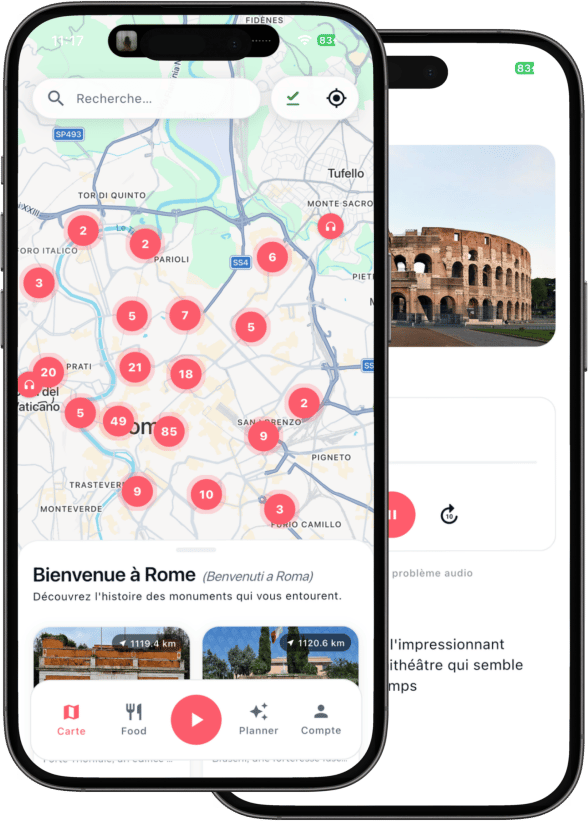
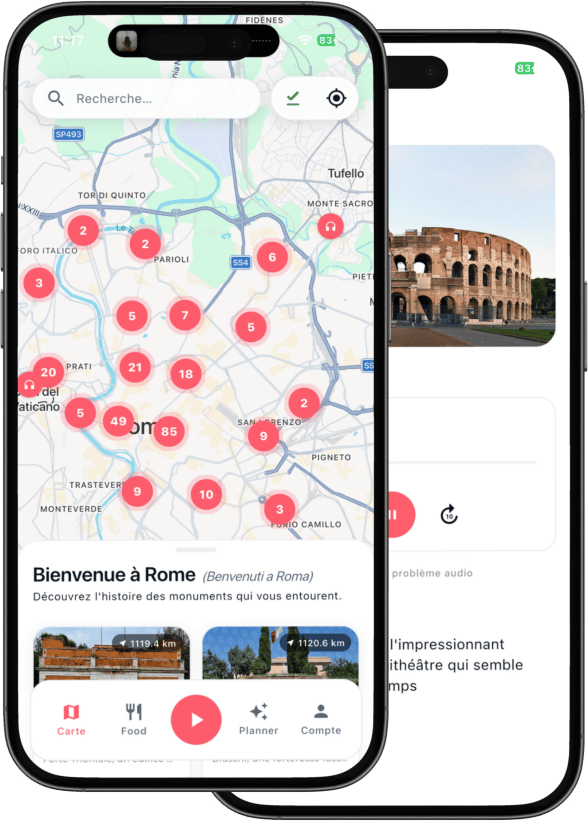
One tip before you go: to follow this itinerary independently — at your own pace, without booking a guided tour for every site — bring an audio guide app. You unlock the whole city at once, and the story of each monument starts playing as soon as you arrive in front of it. That's exactly what CityGuide offers in Milan.
Here is a strategic plan divided into walkable neighbourhoods.
Day 1
The monumental centre
From Flamboyant Gothic to nineteenth-century covered arcades.
The cathedral took nearly six centuries to complete, with work beginning back in 1386. Pick up a combined ticket that includes lift access to the rooftop terraces; booking the earliest morning slots helps you dodge the midday rush.
Galleria Vittorio Emanuele II is an 1867 shopping gallery topped by a glass dome soaring 47 metres high. Look down to find the bull mosaic on the floor: local superstition calls for spinning three times on its testicles with your right heel.
Restaurants overlooking Piazza del Duomo charge double. Instead, slip into the streets behind Teatro alla Scala to track down trattorias serving traditional cotoletta alla milanese—a bone-in breaded veal cutlet.
Admission to San Maurizio al Monastero Maggiore is completely free. Inside lies a hidden gem: 4,000 square metres of sixteenth-century frescoes painted by the workshop of Bernardino Luini.
Day 2
Art and ducal power
Sforza fortresses and classical masterworks.
Castello Sforzesco is a red-brick fortress reworked by Leonardo da Vinci under Ludovico Sforza. Wandering the outer courtyards is free, though you'll need a ticket for the museum housing the Rondanini Pietà, Michelangelo's final, unfinished sculpture. Our app's audio guide unpacks the Visconti power struggles as you cross the dry moats.
The cobbled streets around Via Fiori Chiari in Brera are lined with historic cafes. Prices climb quickly, but menus consistently feature saffron-infused risotto alla milanese.
Pinacoteca di Brera is closed on Mondays. It houses Francesco Hayez's The Kiss and Mantegna's Lamentation of Christ, famous for its dramatic foreshortening; online booking is strongly recommended for weekends.
As evening sets in, Brera's bars launch their aperitivo hours. Pay for your drink and enjoy access to a generous spread of focaccia, cured meats, and salads well into the night.
Once you are there, let it guide you
The CityGuide Milan audio guide starts by itself in front of every stop on your itinerary.
Full audio guide
$21.90 $39.90
★ 4.8/5 · 15 reviews
30-day money-back guarantee
Day 3
A secret fresco and historic canals
Leonardo da Vinci's legacy and hydraulic engineering.
The Last Supper mural has been flaking ever since its completion in 1498, a consequence of da Vinci's experimental dry-plaster technique. Official tickets are released several months in advance on the official website and sell out within minutes.
Founded in 379, the Basilica of Sant'Ambrogio stands as a masterpiece of Lombard Romanesque architecture. Entry is free, though the crypt containing the skeleton of Saint Ambrose, the city's patron saint, closes over lunchtime.
Head south past the Colonne di San Lorenzo, third-century Roman ruins. Local bakeries nearby serve pizza al trancio—thick, mozzarella-laden slices that make an ideal bite on the go.
The Naviglio Grande and Naviglio Pavese are the two main surviving canals of the historic medieval network. On the last Sunday of each month, the banks of the Naviglio Grande host an antiques market stretching nearly two kilometres.
My 6 practical tips for Milan
- A single metro ticket costs just over two euros, but you can tap in directly at the barriers using a contactless payment card, saving you a trip to the ticket machines.
- The Milano Card does not cover entry to the Duomo or The Last Supper; it is primarily useful for public transport and minor museums.
- Restaurants invariably add a coperto charge to your bill, a standard cover fee of a few euros per person for bread and table service.
- Malpensa Airport connects directly to Milano Cadorna station via the Malpensa Express train, running frequent services from early morning until late at night.
- Mondays are the standard closing day for most municipal museums, including the Pinacoteca di Brera and the museums inside Castello Sforzesco.
- When visiting churches, shoulders and knees must be covered—even in August when temperatures reach 35 degrees; keep a light scarf in your bag.
The stories behind the facades
A well-crafted itinerary keeps you from backtracking, but it won't explain why Milanese Gothic differs so distinctly from the rest of Italy. Understanding these architectural details transforms how you experience the city.
That's where an audio guide app like CityGuide comes in: it detects where you are and plays the story of each place at just the right moment, while you walk from one stop to the next — hands and eyes free, even offline. So you can follow your itinerary without ever being left in the dark.
— Frequently Asked Questions
Frequently asked questions
Yes, seventy-two hours give you ample time to see the Duomo, The Last Supper, Brera, and the Navigli at a comfortable pace. You'll even have room to fit in a contemporary art gallery like Fondazione Prada in the south of the city.
Expect to spend around 150 to 200 euros per person per day, covering a central hotel, two restaurant meals, and paid museum entries. The Duomo combined pass alone costs around twenty euros.
The ATM network operates five metro lines, numbered M1 through M5, alongside dozens of vintage yellow trams from the 1920s. The historic centre is compact enough to explore entirely on foot between La Scala and the Castle.
April, May, and October bring pleasant temperatures hovering around 20 degrees. Summers can be muggy and humid with spikes up to 38 degrees, while Fashion Week in February and September sees hotel rates triple.
The Last Supper requires reservations several months in advance on the official platform. The Duomo rooftop terraces and the Pinacoteca di Brera should also be booked well ahead to secure morning time slots.
The Navigli canals are the premier hub for waterside cocktail bars. For a livelier student atmosphere, the area around the Colonne di San Lorenzo fills up in the evening with crowds enjoying beers picked up from nearby corner shops.
— Go Further
Milan in your pocket
Our app features dozens of historical anecdotes, offline maps, and dining recommendations tested anonymously.
See the Milan audio guide