

— TRAVEL TIPS · NEW YORK
Visit New York in 3 days: the walking itinerary
Three days in New York force tough choices between Manhattan and Brooklyn. You won't see everything, but this plan anchors you to three distinct geographical hubs to keep you from spending your trip underground.
By Sophie Dorval, US specialist · September 9, 2026 · 9 min read
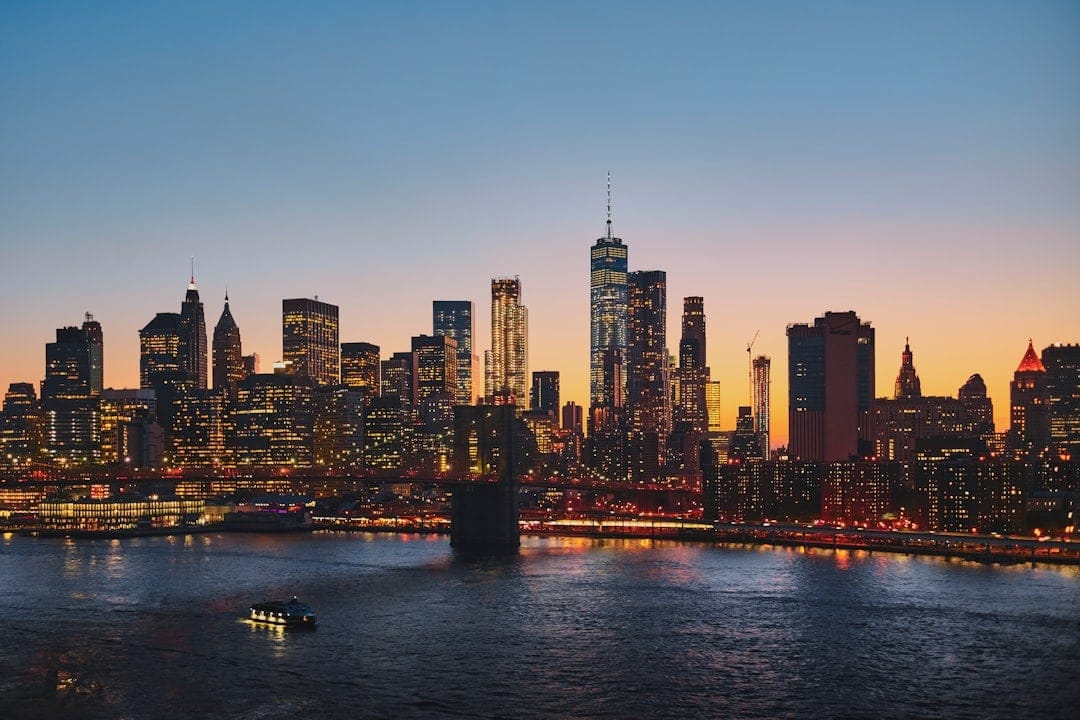
Attempting to tick off every landmark in 72 hours is a rookie mistake. The goal isn't to dash from Battery Park to Harlem in a single day, but to carve Manhattan into manageable slices. This route groups your sightseeing into tightly contained geographical blocks.
One tip before you go: to follow this itinerary independently — at your own pace, without booking a guided tour for every site — bring an audio guide app. You unlock the whole city at once, and the story of each monument starts playing as soon as you arrive in front of it. That's exactly what CityGuide offers in New York.
Book observation decks and museum tickets online before wheels up. Without advance reservations, you will be left standing on the pavement.
Day 1
Lower Manhattan and the East River
From Dutch foundations to 19th-century suspension bridges.
Start at the very beginning: from Bowling Green, the city's oldest public park founded in 1733, walk up towards Wall Street. Take in the facade of the New York Stock Exchange from the street; the building has remained closed to the public since 2001.
The 9/11 Memorial is free to enter, featuring two reflecting pools set within the footprints of the original Twin Towers. The adjacent underground museum requires a timed-entry ticket.
Cross the Brooklyn Bridge via the wooden pedestrian promenade completed in 1883. On the Brooklyn side, head down to the DUMBO waterfront to photograph the Manhattan Bridge framed by the red-brick industrial warehouses of Washington Street.
Head north to Williamsburg on the G train or take the ferry. Popular restaurants along Bedford Avenue require reservations via the Resy app, so book your tables at least two weeks before your flight.
Day 2
The Midtown vertical
Elevated parks, Art Deco skyscrapers, and neon-lit avenues.
The High Line, stretching from Gansevoort Street to Hudson Yards, opens early. Built on a former 1934 elevated freight rail line, this free linear park takes you through Chelsea without having to cross a single road.
Stop at Chelsea Market, housed in the former Nabisco factory where the Oreo biscuit was invented in 1912. The ground-floor food halls get crowded, so aim for an early lunch before the midday rush to secure a seat.
Midtown in one sweep: from the Empire State Building to Times Square. For the Empire State Building, unveiled in 1931, you will need to reserve your time slot for the 86th-floor observatory several days in advance, especially for late afternoon.
Times Square is home to Broadway's 41 professional theatres. The TKTS booth beneath the red steps sells same-day unsold tickets at steep discounts, though the queues at the counters can run long.
Once you are there, let it guide you
The CityGuide New York audio guide starts by itself in front of every stop on your itinerary.
Full audio guide
$21.90 $39.90
★ 4.8/5 · 15 reviews
30-day money-back guarantee
Day 3
Parks, masterpieces, and brownstones
Manhattan's green lung followed by the tangled streets of the southern villages.
Explore Central Park from south to north up to Belvedere Castle, an 1869 architectural folly that houses the city's official weather instruments. The main routes are paved, but take a detour into The Ramble to wander dirt paths.
The Metropolitan Museum of Art (The Met) has ended its pay-what-you-wish policy for out-of-town visitors; entry now requires a standard full-price ticket. The museum is closed on Wednesdays, so schedule this visit for another day of the week.
Head south to Greenwich Village, street by street. The layout here predates the 1811 grid plan; fire up our audio guide to weave through Bleecker Street's Federal-style townhouses without losing your bearings.
Wrap up your trip across Chinatown, Little Italy, and the Lower East Side. This neighbourhood, the port of arrival for waves of Eastern European immigrants in the late 19th century, is packed with speakeasies hidden behind faux pawnshops and tailor storefronts.
6 practical tips for navigating New York
- You can tap into the subway directly at turnstiles using a contactless bank card or smartphone via the OMNY system. Fares are automatically capped over any rolling 7-day period.
- Left luggage storage has been prohibited in most major American museums since 2001. At both MoMA and The Met, large rucksacks are systematically turned away at the door.
- The Staten Island Ferry links Whitehall Terminal with St. George completely free of charge, 24 hours a day. Departures run at regular intervals and offer unobstructed views of the Statue of Liberty.
- Manhattan streets north of Houston Street follow a rigid grid plan established in 1811. Fifth Avenue divides addresses into 'East' and 'West', with building numbers increasing as you move away from this central spine.
- Newer observation decks like Summit One Vanderbilt routinely sell out during sunset slots. Secure your admission ticket at least two weeks before travelling.
- Free public toilets are few and far between. Use the Got2Go app or slip into major Midtown hotels, such as the Marriott Marquis on Broadway, where the eighth-floor lobby restrooms are accessible.
Reading the architecture and streetscape
Walking through Lower Manhattan or Greenwich Village without context is like watching a film on mute. The street grid and facades tell stories of financial collapses, successive waves of immigration, and radical urban planning decisions from centuries past.
That's where an audio guide app like CityGuide comes in: it detects where you are and plays the story of each place at just the right moment, while you walk from one stop to the next — hands and eyes free, even offline. So you can follow your itinerary without ever being left in the dark.
— Frequently Asked Questions
Frequently asked questions for a short stay
No, the city covers five massive boroughs. In 72 hours, you must stick strictly to Manhattan and a focused foray into Brooklyn, or you risk spending a third of your time trapped in subway carriages.
Excluding flights and accommodation, expect a substantial daily outlay. A sit-down meal with service and taxes adds up quickly, as does admission to observation decks.
The subway runs 24 hours a day. Express trains, marked on the network map, skip local stations; always check the letter or number on the side of the train before boarding.
May and October deliver mild temperatures that are ideal for walking. Steer clear of August, when the humidity is stifling, and January, when blizzards routinely bring pavements to a halt.
Crown access at the Statue of Liberty must be booked months ahead via the City Experiences website. Tickets for major museums should also be bought online to bypass the box-office queues.
Comedy clubs along MacDougal Street in Greenwich Village generally charge a modest cover fee alongside a mandatory two-drink minimum. Book your table online the week before your arrival.
— Go Further
The story of New York in your headphones
Our CityGuide app replaces cumbersome paper guidebooks. Enjoy hours of location-aware audio unraveling the rise of Midtown, the history of Wall Street, and the design of Central Park, entirely at your own pace.
See the New York audio guide