

— TRAVEL TIPS · PORTO
Visit Porto in 3 days: the fact-first itinerary
Three days give you enough time to explore both banks of the Douro and grasp the city's architectural evolution. It is not enough, however, to fit in a day trip to the Douro Valley without seriously compromising your time in the historic quarters.
By Sophie Dorval, Portugal specialist · September 9, 2026 · 9 min read

Porto's constant elevation changes will quickly exhaust your calves if you hop between monuments without a clear geographical plan. This itinerary groups visits by distinct, walkable sectors.
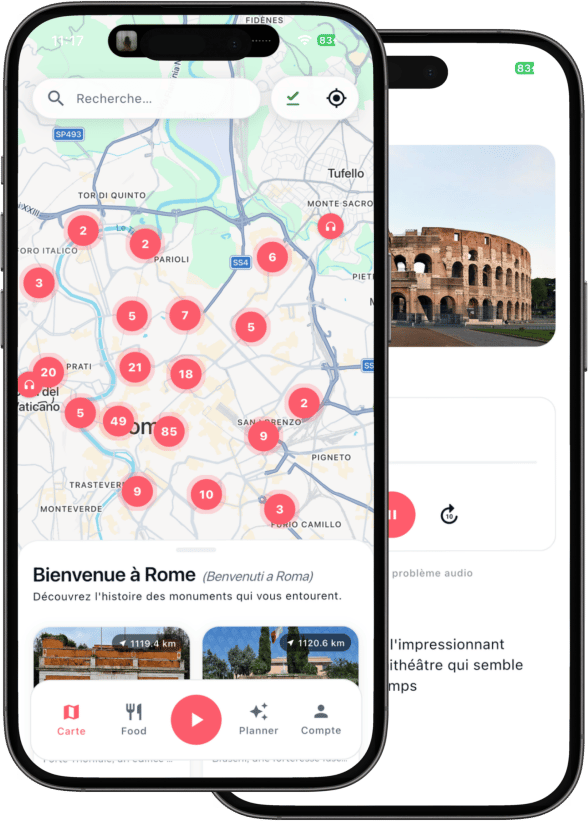
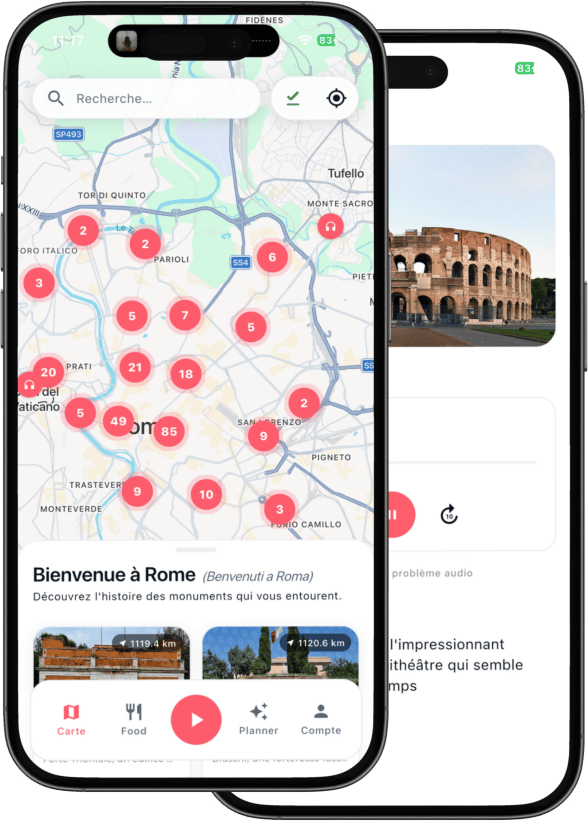
One tip before you go: to follow this itinerary independently — at your own pace, without booking a guided tour for every site — bring an audio guide app. You unlock the whole city at once, and the story of each monument starts playing as soon as you arrive in front of it. That's exactly what CityGuide offers in Porto.
Capacity inside historical monuments is strictly limited: secure your time slots well before your flight.
Day 1
The upper town and clerical power
Exploring the Baixa district and the Carmo quarter.
Start at São Bento railway station, opened in 1916. The entrance hall is free to access and houses 20,000 azulejos painted by Jorge Colaço, depicting key historical battles of Portugal.
Head towards Livraria Lello, founded in 1906. Admission is charged and redeemable against a book purchase, but it requires a strict advance time-slot booking via their official website.
Cross Praça de Gomes Teixeira, dominated by the Lions Fountain cast in 1882 by the French foundry Val d'Osne. Students from the adjacent university are often seen here wearing their traditional black capes.
Take in the Carmo Church and its side façade clad in ceramic tiles in 1912. It stands apart from the Carmelite Church thanks to the Casa Escondida, a one-metre-wide house built to prevent any contact between monks and nuns.
End the day at the Clérigos Tower, designed by architect Nicolau Nasoni. You will need to climb over 200 steps to reach the top, 75 metres up; tickets must be booked in advance.
Day 2
Descending to the river
From the cathedral forecourt down to the merchant quays.
Set off from the Cathedral (Sé), a twelfth-century Romanesque landmark. Access to the nave is free, though an entry fee applies for the Gothic cloister lined with azulejos.
Take the Barredo stairs down towards the water. This is the moment to start your audio guide and discover the history of these steep alleyways, where merchants stored wine in the Middle Ages.
Arrive in the Ribeira, a district inscribed on the UNESCO World Heritage list in 1996. The bases of the houses still bear stone plaques recording historical flood levels of the Douro.
Cross the Dom Luís I Bridge along the lower deck, reserved for pedestrians and local traffic. Completed in 1886 by Théophile Seyrig, this wrought-iron structure weighs 3,045 tonnes.
Ride back up the cliff on the Guindais Funicular. In operation since 1891, this ticketed ride saves you an ascent of several dozen metres.
Once you are there, let it guide you
The CityGuide Porto audio guide starts by itself in front of every stop on your itinerary.
Full audio guide
$21.90 $39.90
★ 4.8/5 · 15 reviews
30-day money-back guarantee
Day 3
The port wine trade
Crossing to Vila Nova de Gaia and its historic cellars.
Cross the river once more, this time along the upper deck of the Dom Luís I Bridge, shared between pedestrians and metro line D.
Head to the Miradouro da Serra do Pilar. The sixteenth-century monastery features the only circular cloister in the Iberian Peninsula; the outer terrace offers a panoramic, free view over the river's path.
Head down to the Gaia quayside, where traditional rabelo boats are moored. These flat-bottomed craft transported casks from the Douro Valley before hydroelectric dams were built.
Visit the wine lodges of Vila Nova de Gaia, such as Taylor's, founded in 1692. Guided tours in English should be booked several weeks in advance and take place in a cool, steady temperature.
6 practical tips for Porto
- The Andante 24 travel pass is practical if you are staying far out, but unnecessary if you base yourself in the central core.
- Neighbourhood restaurants often serve half-portions (meia dose) at affordable prices, perfectly sized to satisfy an adult.
- The Guindais Funicular closes earlier in winter; plan your return up to the Batalha quarter accordingly.
- Book your Livraria Lello ticket at least two weeks ahead on their website, as on-site queues are frequently overwhelmed.
- Power sockets in older cafés around the Bolhão neighbourhood are scarce, so carry a portable power bank.
- The free Lada Lift connects the Ribeira to the Barredo district during the day, saving you the steep climb up the Codeçal steps.
Understanding the city beyond the backdrop
A streamlined itinerary puts you in front of the right buildings at the right time, but it will not give you the keys to read them. Knowing why azulejos covered façades across the nineteenth and twentieth centuries completely shifts how you perceive the streets.
That's where an audio guide app like CityGuide comes in: it detects where you are and plays the story of each place at just the right moment, while you walk from one stop to the next — hands and eyes free, even offline. So you can follow your itinerary without ever being left in the dark.
— Frequently Asked Questions
Frequently asked questions about visiting Porto
Yes, for the historic centre and the Gaia wine cellars. You will need a fourth day to fit in the Serralves Foundation or the Atlantic coast at Foz do Douro.
Expect around one hundred euros per night for a hotel in the Baixa, alongside reasonable prices for meals in a local tasca. Monument admission fees remain generally affordable.
Metro Line E links the airport directly to Trindade station. Trains run from early in the morning until late at night.
May and September bring mild, comfortable temperatures. Winter is very wet, with substantial rainfall in December.
Time slots for Lello, the Clérigos Tower, and English-language cellar tours sell out days ahead. Most other attractions can be booked on the day.
Rua da Galeria de Paris and Rua de Cândido dos Reis concentrate the liveliest late-night bars, where draught Super Bock beer is very affordable.
— Go Further
Porto in your pocket
The CityGuide app provides location-aware audio content to decipher Porto's urban history offline, without relying on mobile data.
See the Porto audio guide