

— TRAVEL TIPS · DUBLIN
Visit Dublin in 3 days: Itinerary and Booking Guide
Three days give you ample time to explore both banks of the Liffey and delve into the timeline of Irish independence. However, this window is too tight to add an excursion to the Cliffs of Moher or the Giant's Causeway without shortchanging your discovery of the capital.
By Sophie Dorval, Ireland specialist · September 9, 2026 · 9 min read

The classic mistake is criss-crossing back and forth between the north and south sides of the river. Dublin is split into even postcodes in the south and odd ones in the north, each with a very distinct character. This itinerary groups visits by neighbouring quarters to keep walking times down. Crucially, most historic institutions now require you to book a timed entry slot several weeks in advance.
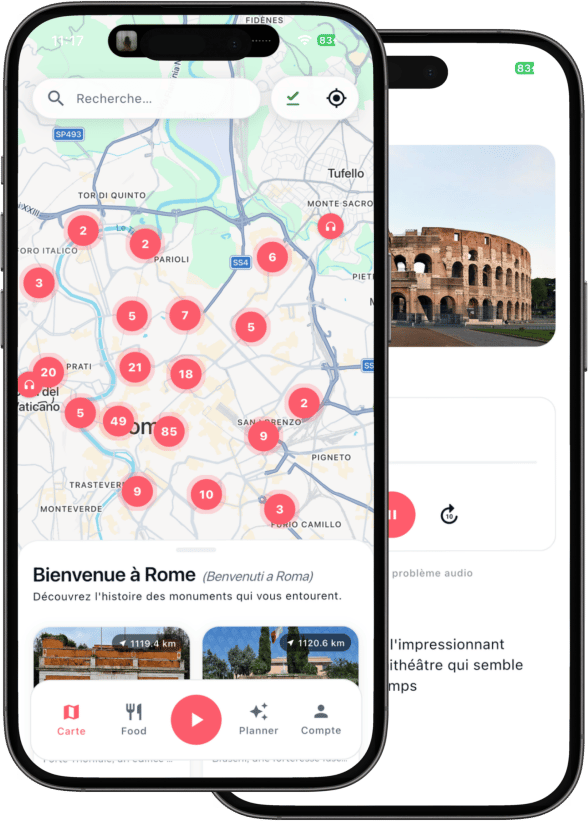
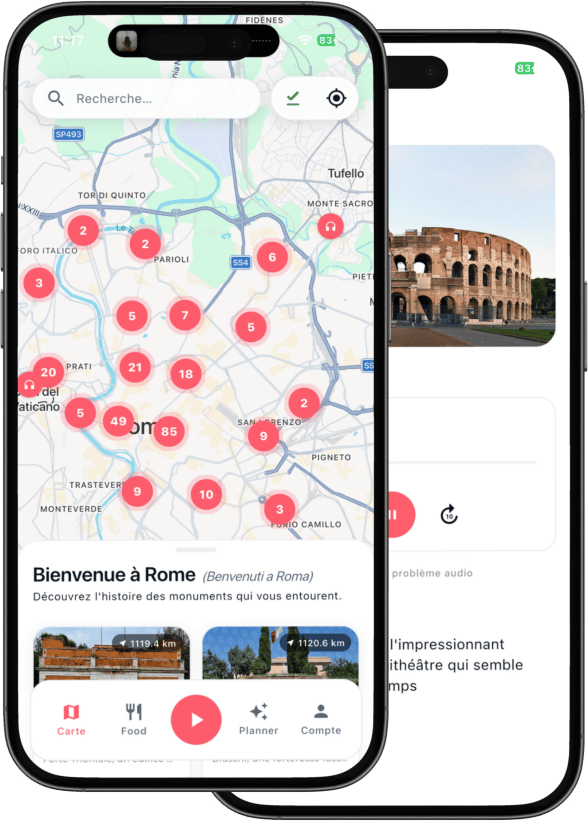
One tip before you go: to follow this itinerary independently — at your own pace, without booking a guided tour for every site — bring an audio guide app. You unlock the whole city at once, and the story of each monument starts playing as soon as you arrive in front of it. That's exactly what CityGuide offers in Dublin.
Turn up without a ticket at Kilmainham Gaol or Trinity College, and you will be left out on the pavement.
Day 1
The university and Georgian squares
A dive into Dublin's academic and aristocratic heritage south of the Liffey.
Trinity College and the Book of Kells. The illuminated manuscript dates back to around 800 AD. Entry to the Long Room requires mandatory online booking with a strict timed slot. Our audio guide decodes the hidden symbols carved into the library's woodwork as you explore.
National Museum of Ireland – Archaeology. Admission is completely free, with no booking needed. The Iron Age exhibition displays preserved bog bodies uncovered in Irish peatlands, kept intact by the soil's natural acidity.
Merrion Square. Eighteenth-century red-brick townhouses frame this open-access public park. The statue of Oscar Wilde looks across towards Number 1, the author's childhood home.
St Stephen's Green. This 9-hectare Victorian park served as a garrison for Irish Citizen Army rebels during the 1916 Rising. Admission is free, but the gates close at dusk according to a monthly schedule.
Grafton Street and surrounding lanes. Traditional pubs in this shopping quarter generally close around 11:30 pm on weekdays, with no reservations required. Established in 1803, Kehoes has preserved its original mahogany snugs.
Day 2
Cathedral, gaol and brewery
The industrial and penal history of Dublin's western districts.
St Patrick's Cathedral. Founded in 1191, this is the largest church in Ireland. Admission is ticketed and should be booked online to beat the queues. The writer Jonathan Swift served as Dean here from 1713 to 1745; his tomb lies in the nave.
The Liberties. This historic industrial district was the hub of Irish whiskey distilling in the 19th century. Meath Street's covered market runs Thursday through Saturday with free entry, offering fresh local produce.
Kilmainham Gaol. The leaders of the 1916 Easter Rising were executed within these walls. Booking is mandatory: tickets are released exactly 28 days in advance and routinely sell out within hours.
Guinness Storehouse. Arthur Guinness signed a 9,000-year lease on this brewery site in 1759. Advance booking for a timed slot is mandatory and includes a pint in the seventh-floor Gravity Bar.
Once you are there, let it guide you
The CityGuide Dublin audio guide starts by itself in front of every stop on your itinerary.
Full audio guide
$21.90 $39.90
★ 4.8/5 · 15 reviews
30-day money-back guarantee
Day 3
The Northside and the great urban park
Walking in the footsteps of rebels and exploring Dublin's vast open spaces.
The General Post Office (GPO) on O'Connell Street. This neoclassical building served as the rebel headquarters during the 1916 Rising. The main hall is free to enter, and the portico pillars still bear scars from British artillery fire.
14 Henrietta Street. This museum charts the social history of Dublin's tenement slums. Visits are strictly by guided tour with advance booking, and groups are capped at 15 people.
Moore Street Market. One of the capital's oldest open-air street markets with free access. Traders have been hawking fruit and vegetables here from Monday to Saturday since the turn of the 20th century.
Phoenix Park. Enclosed by a continuous stone wall, this historic park was founded in 1662. Access is entirely free with no booking required. It is home to a wild herd of several hundred fallow deer, introduced in the 17th century for royal hunts.
Smithfield district. The Cobblestone pub hosts traditional Irish music sessions seven nights a week. Admission is free; musicians simply gather in the corner of the bar without a stage or PA system.
6 practical tips for your trip to Dublin
- The Leap Visitor Card can be bought at the airport and provides unlimited travel on Dublin Bus, the Luas tram, and the coastal DART train for 1, 3, or 7 days.
- The Aircoach Route 700 links the airport to the city centre 24 hours a day, departing every 15 minutes during the daytime without requiring a prior booking.
- National museums in Ireland, including the Hugh Lane Gallery on the north side and the National Gallery on the south side, are closed on Mondays.
- Pints in the Temple Bar area often cost €2 to €3 more than in local pubs around Stoneybatter or the Liberties.
- The DART commuter train takes you straight from Connolly Station to the Howth peninsula for the price of a standard suburban fare.
- The Irish maritime climate makes umbrellas practically useless against gusts from the Irish Sea; a reliable waterproof jacket with a hood is your only real defence.
Understanding the brickwork
An optimised itinerary saves you precious time, but it cannot replace context. Gazing at the bullet holes on the General Post Office only truly resonates if you understand the unfolding of the 1916 Easter Rising.
That's where an audio guide app like CityGuide comes in: it detects where you are and plays the story of each place at just the right moment, while you walk from one stop to the next — hands and eyes free, even offline. So you can follow your itinerary without ever being left in the dark.
— Frequently Asked Questions
Frequently asked questions about Dublin
Yes, 72 hours allow you to cover the national museums, Kilmainham Gaol, and the university without rushing. However, you should stick to the urban core and leave day trips to the Wicklow Mountains or the West Coast for another trip.
Accommodation is pricey, with hotel rooms frequently exceeding €150 a night in high season. Sightseeing costs balance out because national museums are free, while Kilmainham Gaol costs €8 and the Guinness Storehouse runs upwards of €30.
The historic core is very walkable. To reach Kilmainham Gaol or Phoenix Park, the Luas tram (Red Line) or Dublin Bus double-deckers are essential; you will need a Leap Card or exact fare in coins.
May, June, and September offer the longest daylight hours, with the sun setting after 9:00 pm in early summer. July and August see peak crowds, straining accommodation availability and tour slots.
Kilmainham Gaol requires booking online exactly 28 days before your visit. The Book of Kells at Trinity College and the Guinness Storehouse both require reserved time slots several weeks ahead, particularly for weekend visits.
Camden Street to the south and Stoneybatter to the north offer a vibrant scene packed with neighbourhood pubs. Kitchens usually close between 9:00 and 9:30 pm, with the last-orders bell ringing around 11:30 pm on weekdays.
— Go Further
Dublin in your headphones
The CityGuide app features GPS-guided walking tours narrated by local historians. Audio stories trigger automatically as you approach Georgian buildings and landmarks of the rebellion.
See the Dublin audio guide