

— TRAVEL TIPS · VIENNA
Vienna in 3 days
Three days give you just enough time to cover the historic core, discover two imperial palaces, and understand the grandeur of the Ringstraße. This timeframe won't leave room to linger endlessly in the major art institutions or go hiking in the Vienna Woods.
By Sophie Dorval, Austria specialist · September 9, 2026 · 9 min read

The classic mistake is rushing to Schönbrunn in the morning and cramming Belvedere into the afternoon. Vienna is a sprawling city, and its major landmarks require strict entry time slots. I have broken this itinerary down by geographical area to cut your U-Bahn travel down to a minimum. Tickets for the Habsburg estates should be bought several weeks ahead to avoid getting stuck at the ticket counter.
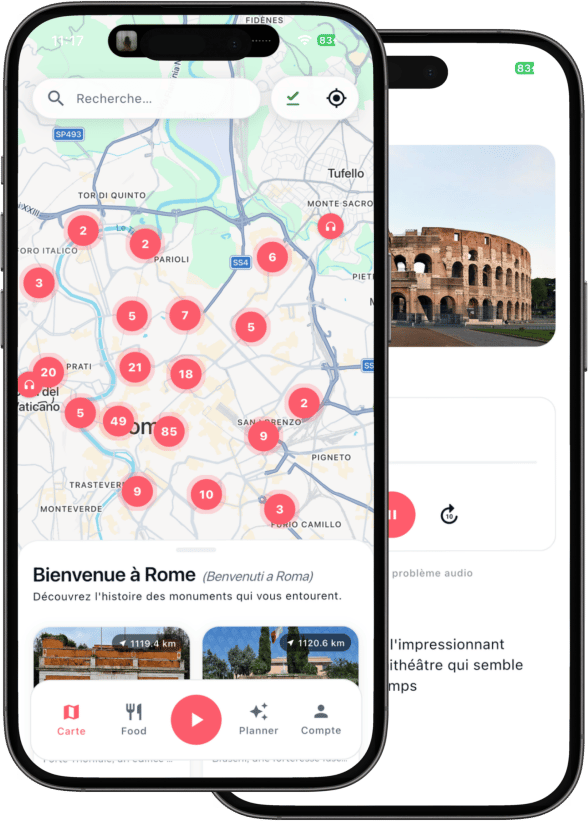
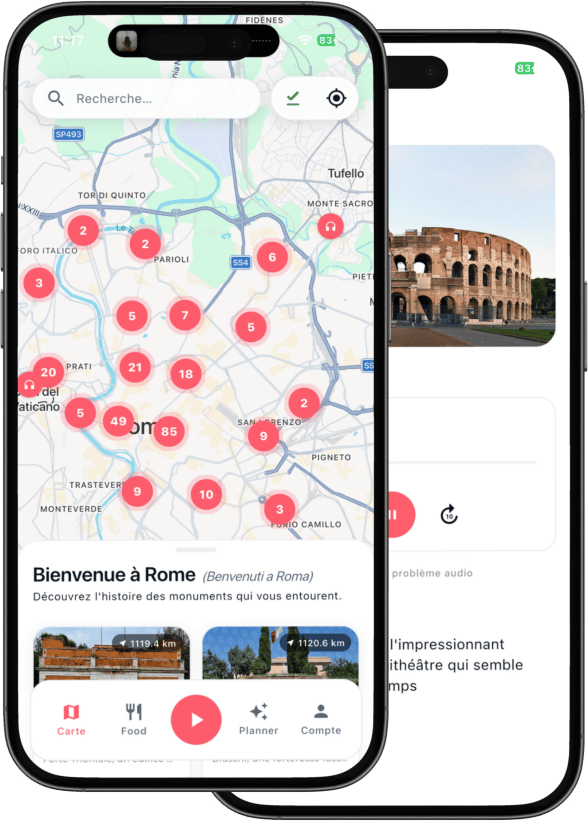
One tip before you go: to follow this itinerary independently — at your own pace, without booking a guided tour for every site — bring an audio guide app. You unlock the whole city at once, and the story of each monument starts playing as soon as you arrive in front of it. That's exactly what CityGuide offers in Vienna.
Secure your bookings, lace up some comfortable walking shoes, and follow the plan.
Day 1
The Imperial Heart and the Ringstraße
From the Gothic cathedral to the grand 19th-century boulevards.
St. Stephen's Cathedral towers over Stephansplatz with its 136-metre south spire. Entry to the nave is free of charge, but climbing the tower costs a few euros and requires cash.
Retracing Vindobona, the Roman and medieval chapters of Vienna lie beneath the Hoher Markt. Remains of Roman officers' quarters can be viewed underground, where Emperor Marcus Aurelius died in 180 AD.
The Hofburg boasts 2,600 rooms and served as the primary residence of the Habsburgs until 1918. The Sisi Museum strictly enforces timed entry slots; use our audio guide to decipher the complex courtyards without paying an entrance fee.
The Ringstraße is a circular boulevard laid out in 1865 along the former city walls. Here you will find the State Opera, where standing tickets are sold for just a few euros at a dedicated box office shortly before each performance.
Day 2
Baroque Palaces and Masterpieces
Austrian art, from palatial gardens to imperial collections.
The Upper Belvedere houses Klimt's The Kiss and requires booking a fixed time slot. The Lower Belvedere, separated by a landscaped garden, is dedicated to temporary exhibitions.
The Belvedere gardens offer free panoramic views across Vienna from their highest point. Laid out by Dominique Girard in 1717, they lead naturally toward five central Baroque churches, including Karlskirche, completed in 1737.
The Naschmarkt and Karlsplatz are right next door. The market dates back to the 16th century and is closed on Sundays, while the square displays the former Stadtbahn pavilions designed by Otto Wagner in 1898.
The Kunsthistorisches Museum faces the Natural History Museum across Maria-Theresien-Platz. It holds the largest collection of works by Pieter Bruegel the Elder in the world and remains closed on Mondays.
Josefstadt and Spittelberg showcase the charm of Vienna's outer districts with their early 19th-century Biedermeier architecture. The cobblestone lanes are packed with traditional taverns serving young wine away from the tourist crowds of Grinzing.
Once you are there, let it guide you
The CityGuide Vienna audio guide starts by itself in front of every stop on your itinerary.
Full audio guide
$21.90 $39.90
★ 4.8/5 · 15 reviews
30-day money-back guarantee
Day 3
Summer Residence and Socialist Vision
The contrast between Habsburg splendour and municipal socialism.
Schönbrunn contains 1,441 rooms, though the Grand Tour covers only 40. During peak season, morning time slots sell out quickly, making online advance booking essential.
Schönbrunn Gardens and the Gloriette hill are free to explore. Erected in 1775, the Gloriette sits 60 metres above the palace and now houses a café.
Karl-Marx-Hof and Heiligenstadt highlight Red Vienna from the 1920s. Designed by Karl Ehn, this residential block contains 1,382 flats and was built to house 5,000 workers, complete with integrated laundries and clinics.
The street art district and the Hundertwasserhaus take you back toward the centre. Friedensreich Hundertwasser's apartment block, completed in 1985, features no straight lines; you can then walk along the Danube Canal, where the embankments have hosted legal murals since 2005.
6 practical tips for your stay
- The S7 suburban train connects the airport to Wien Mitte station for a few euros, working out far cheaper than the City Airport Train (CAT) for a direct route.
- The Vienna City Card covers public transport and small discounts, but the pricier Vienna Pass only pays off if you visit at least three major paid museums every day.
- Tap water comes straight from the Styrian Alps through an aqueduct built in 1873. It is served free of charge in restaurants if you explicitly ask for Leitungswasser.
- Many traditional cafés such as Sperl or Hawelka still do not accept payment cards for small bills.
- Standing tickets for the State Opera (Stehplätze) can be bought at the Operngasse box office, with prices depending on the production.
- The Kunsthistorisches Museum and the Albertina adjust their closing days (often Monday or Tuesday) depending on the season, so check their official websites the day before.
Historical context changes everything
Admiring the Hofburg's façade without grasping the fall of the Austro-Hungarian Empire in 1918 means missing a crucial chapter of European history. A well-crafted itinerary takes you to the right spots, but having the background to interpret what you are looking at makes all the difference.
That's where an audio guide app like CityGuide comes in: it detects where you are and plays the story of each place at just the right moment, while you walk from one stop to the next — hands and eyes free, even offline. So you can follow your itinerary without ever being left in the dark.
— Frequently Asked Questions
Frequently asked questions about Vienna
Three days allow you to cover the First District, the Ringstraße, and the two main palaces (Schönbrunn and Hofburg). It will not be enough if you wish to explore the Vienna Woods or spend entire half-days in the fine arts museums.
Plan for a substantial budget, flights and accommodation aside. A full-size Wiener Schnitzel at a restaurant or typical admission to a national museum add up to a noticeable cost that needs planning for.
The underground network (U-Bahn) runs 24 hours a day at weekends. There are no ticket barriers at station entrances, but you must validate your ticket to avoid a steep fine during ticket inspections.
May and September offer mild temperatures ideal for walking. December draws huge crowds for the official Christmas markets, which pushes hotel rates up significantly.
Tickets for Schönbrunn's Grand Tour, the Hofburg's Sisi Museum, and the Upper Belvedere should be bought at least two weeks before departure. Entry to the gardens and churches remains open without booking.
Churches in the centre stage classical concerts that finish mid-evening. From there, you can head to the bars of the 7th district to enjoy a glass of Gemischter Satz, the local white wine blend.
— Go Further
Understand Vienna on the ground
Our CityGuide app turns your phone into a pocket guide packed with hundreds of location-based historical stories covering the Ringstraße, the Hofburg, and the outer districts.
See the Vienna audio guide