

— GUIDED TOURS · TOKYO
10 unmissable guided tours in Tokyo (free)
Ten walks you do on your own, at your own pace, with no guide to pay and nothing to book. Each one stays inside a single walkable district, with a precise starting point, four to six stops, and a clear note on what is free and what still costs money.
Ellie Hargreaves, Japan specialist · September 6, 2026 · 9 min read
Tokyo is not a city you cross on foot from one end to the other: its districts are cities in their own right, separated by kilometres of railway. These ten tours start from that fact. Each stays within a walkable radius around one station, and follows a clear theme: the historic centre, the palace gardens, a shrine forest, a market, a night of neon. All of them are done in open access.
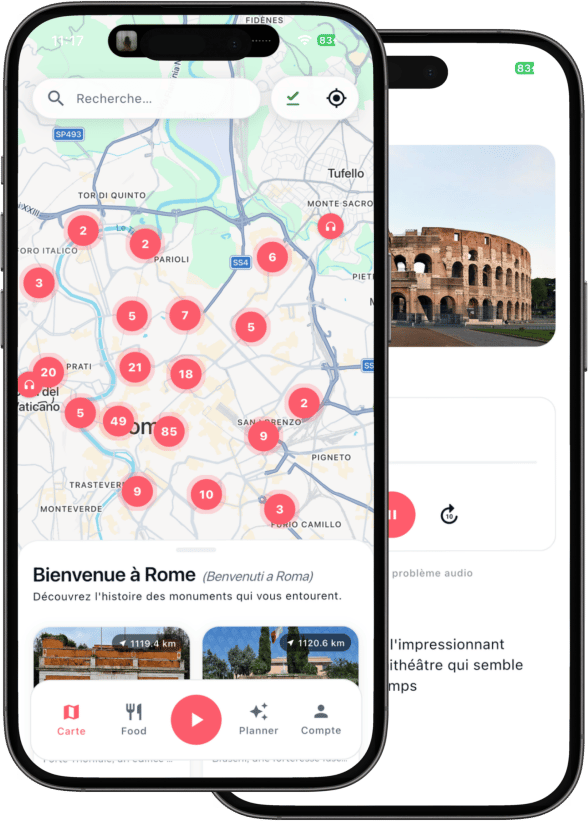
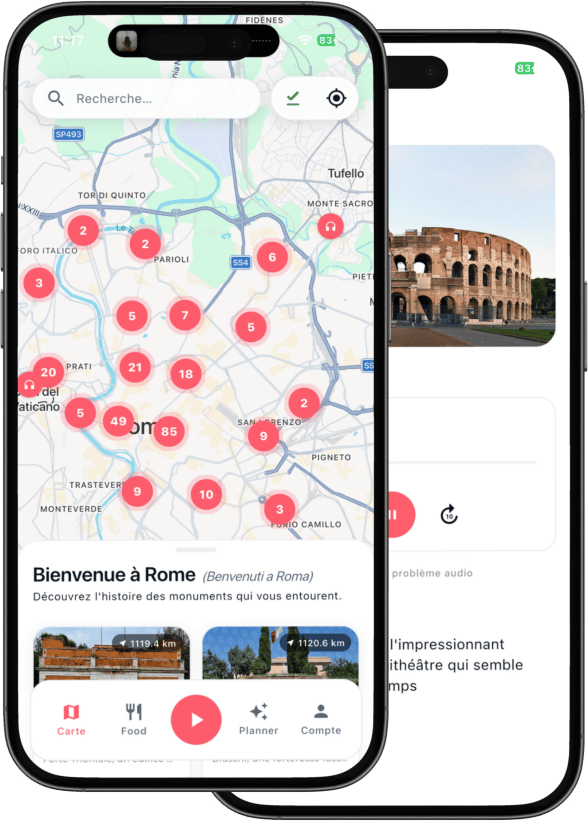
Treat them as outlines, not timetables. Look at the duration, the distance and the difficulty, pick according to your day, and drop a stop if the light or the mood changes. If you want commentary in your ears while you walk, the CityGuide audio guide triggers itself near each place and works offline, as a paid option. Everything else here costs nothing.
10 tours · ranked from the most unmissable
No booking · no tipping
 #1
Tatsuo Nakamura · Pexels
#1
Tatsuo Nakamura · Pexels
1. The heart of Tokyo: Marunouchi, moats and Ginza
From the red-brick station to the windows of Ginza
- 2h
- 3.4 km · Moderate
- 6 stops
- Optional audio: EN · FR · ES · DE
Tokyo Station greets you with its red-brick facade, restored complete with its two domes. You walk up Naka-dori, lined with trees and sculptures, to the moats of the Imperial Palace. Nijubashi Bridge doubles itself in the water, guarded by pines clipped for generations. Then Hibiya, the country's first Western-style park, before the shopfronts of Ginza and the curved roof of the Kabuki-za.
- Route :
- Tokyo Station Marunouchi building → Marunouchi Naka-dori Avenue → Kokyo Gaien National Garden → Nijubashi Bridge → Hibiya Park → Kabuki-za Theatre
- Start :
- Tokyo Station, Marunouchi exit (the brick facade side)
- Access :
- Streets, moats and parks: free. Kabuki-za performances ticketed, single-act seats available.
- Tip :
- Do it on a Sunday: Naka-dori and Ginza's main avenue go car-free in the afternoon, and the whole walk changes rhythm.
Free
self-guided, at your own pace
 #2
Joan · Unsplash
#2
Joan · Unsplash
2. Edo beneath the city: the palace East Gardens
Gates, turrets and the base of a vanished keep
- 1h50
- 3 km · Moderate
- 6 stops
- Optional audio: EN · FR · ES · DE
Under the Imperial Palace sleeps Edo Castle, seat of the Tokugawa shoguns. The East Gardens keep its bones: massive gates, stone walls fitted without mortar, and the bare base of the keep, burnt in the seventeenth century and never rebuilt. The Ninomaru garden, laid out in Japanese style, sits against the close-cut lawn of the Honmaru. You finish along the Chidorigafuchi moat.
- Route :
- Ōte-mon Gate → Ninomaru Garden → Honmaru main enclosure → Fujimi-yagura turret → Kitanomaru Park → Chidorigafuchi Green Way
- Start :
- Ōte-mon Gate, five minutes from Otemachi station
- Access :
- East Gardens and Kitanomaru Park: free entry. Rowing boats at Chidorigafuchi are paid.
- Tip :
- The gardens close two days a week and in the late afternoon: check that day's opening hours before you set off.
Free
self-guided, at your own pace
 #3
Timo Volz · Unsplash
#3
Timo Volz · Unsplash
3. Shibuya on foot: from the crossing to the alleys
The crossing, then what sits right behind it
- 1h15
- 2 km · Easy
- 5 stops
- Optional audio: EN · FR · ES · DE
Hachiko, the dog who waited at this exit for his owner, has become the whole city's meeting point. Two steps away, the crossing empties and refills with the lights. Center-Gai piles up signs and loudspeakers, then everything inverts: Nonbei Yokocho lines up tiny post-war bars, two floors high, ten seats each. Miyashita Park, built on a roof, closes the loop.
- Route :
- Hachiko statue → Shibuya Crossing → Center-Gai → Nonbei Yokocho → Miyashita Park
- Start :
- Hachiko exit, Shibuya Station
- Access :
- Streets, crossing and rooftop park: free. Drinks in the Nonbei Yokocho bars are on you.
- Tip :
- Cross twice: once inside the crowd, once from the kerb, standing still and watching everyone else go.
Free
self-guided, at your own pace
These 10 tours, narrated in audio
The CityGuide Tokyo audio guide starts by itself in front of each place. You walk, it tells the story.
Full audio guide
$21.90 $39.90
★ 4.8/5 · 15 reviews
30-day money-back guarantee
 #4
ΘSWΛLD · Pexels
#4
ΘSWΛLD · Pexels
4. Tokyo from above, without paying a yen
Two decks at 202 metres, free of charge
- 1h30
- 2.2 km · Easy
- 6 stops
- Optional audio: EN · FR · ES · DE
The Metropolitan Government Building, twin towers designed by Kenzo Tange, opens its 45th-floor observation decks free of charge, 202 metres up. On a clear day the city runs out to Mount Fuji. Coming back down, you follow the underground galleries and the sculptures of the business district, a Tokyo of slabs and right angles that looks like nowhere else.
- Route :
- Metropolitan Government Building north deck → South observatory → Robert Indiana LOVE sculpture → Metro Promenade → Suica Penguin statue → Tokyo Night & Light projection
- Start :
- Shinjuku Station west exit, walking towards the towers
- Access :
- Both observatories are free. One of the two may be closed on a given day, so check.
- Tip :
- Go up about an hour before sunset: you get the city by day, then watch the lights come on without moving.
Free
self-guided, at your own pace
 #5
Vinny Anugraha · Pexels
#5
Vinny Anugraha · Pexels
5. The forest of Meiji Shrine
A hundred thousand trees, planted by hand in the city
- 1h50
- 3.2 km · Moderate
- 6 stops
- Optional audio: EN · FR · ES · DE
The forest around Meiji Shrine is nothing like natural: it was planted tree by tree in the early twentieth century, with species donated from across the country, designed to age into sacred woodland. You walk on gravel, under cypress torii, far from the noise of Harajuku. The shrine itself is plain, all pale timber and weathered copper.
- Route :
- Jingu Bridge → Great torii approach → Meiji Shrine → Sanshuden hall → Treasure Hall lawn → Togo Shrine
- Start :
- Omotesando exit, Harajuku Station
- Access :
- Shrine and forest: free entry. The inner Gyoen garden and the shrine museum are ticketed.
- Tip :
- Come early: the avenues are nearly empty an hour after opening, and you hear gravel rather than crowds.
Free
self-guided, at your own pace
 #6
Iban Lopez Luna · Pexels
#6
Iban Lopez Luna · Pexels
6. Ueno: the park, the ponds, the temples
Kan'ei-ji temple's old grounds, turned public park
- 1h45
- 3.1 km · Moderate
- 6 stops
- Optional audio: EN · FR · ES · DE
Before it was a park, Ueno was the estate of Kan'ei-ji, the temple that guarded Edo Castle. Pieces of it survive, scattered: the Kiyomizu Kannon-do hall on its terrace, the stone lanterns of the Toshogu shrine. Below, Shinobazu Pond vanishes under lotus leaves in summer. The walk ends on the University of Tokyo campus, around Sanshiro Pond.
- Route :
- Ueno Park → Statue of Saigo Takamori → Kiyomizu Kannon-do → Shinobazu Pond → Ueno Toshogu Shrine → Sanshiro Pond
- Start :
- Park exit, Ueno Station
- Access :
- Park, pond and campus: free. The Toshogu inner precinct and the park museums are ticketed.
- Tip :
- Walk it in this order: the park in the morning, the campus near midday, when the paths fill with students.
Free
self-guided, at your own pace
 #7
G N · Pexels
#7
G N · Pexels
7. Ameyoko to Akihabara: Tokyo's appetite
A market under the tracks, then the electric town
- 1h30
- 2.4 km · Easy
- 5 stops
- Optional audio: EN · FR · ES · DE
Ameyoko set up under the Yamanote tracks after the war and never left: fishmongers calling out, skewers, fruit sold by the piece, spices from Southeast Asia. Heading down through Okachimachi to Akihabara, the stalls give way to lit signs and shops selling electronic components by the drawer. Above it all, Kanda Myojin watches over the district and its traders.
- Route :
- Ameyoko market → Ueno shopping street → Okachimachi → Akihabara Chuo-dori → Kanda Myojin Shrine
- Start :
- Hirokoji exit, Ueno Station
- Access :
- Market and streets: free to walk. Tastings, purchases and drinks are at your own expense.
- Tip :
- Come late morning, when the stalls are full, and keep coins on you: plenty of stands still refuse cards.
Free
self-guided, at your own pace
These 10 tours, narrated in audio
The CityGuide Tokyo audio guide starts by itself in front of each place. You walk, it tells the story.
Full audio guide
$21.90 $39.90
★ 4.8/5 · 15 reviews
30-day money-back guarantee
 #8
Zion C · Unsplash
#8
Zion C · Unsplash
8. Omotesando: architecture in the open air
Signature facades, ginkgos and the lanes of Aoyama
- 2h
- 3.6 km · Moderate
- 6 stops
- Optional audio: EN · FR · ES · DE
Omotesando was laid out as the approach avenue to Meiji Shrine; it has become a corridor of contemporary architecture. The big houses commissioned their windows from leading architects here: diamond-patterned glass, smooth concrete, dark timber. Further on, the Gaien avenue lines up its cone-clipped ginkgos, spectacular when they turn yellow in late autumn.
- Route :
- Omotesando Avenue → Minami-Aoyama shopfronts → Nezu Museum → Watarium Museum → Gaien ginkgo avenue → Meiji Jingu Gaien
- Start :
- Exit A2, Omotesando station
- Access :
- Avenues and facades: free. The Nezu Museum and its garden are ticketed, as is the Watarium.
- Tip :
- Walk it late in the day: glass facades light from within and read far better than under full sun.
Free
self-guided, at your own pace
 #9
#9
9. Shinjuku after dark: neon and alleyways
From giant screens to bars with six seats
- 1h25
- 1.9 km · Easy
- 6 stops
- Optional audio: EN · FR · ES · DE
In the evening Shinjuku changes scale. A curved screen throws a giant cat over the junction, then Omoide Yokocho drops you into a post-war lane thick with yakitori smoke. Golden Gai packs a few hundred tiny bars into six alleys, each with its own obsession. Hanazono Shrine, lit and quiet, closes the walk.
- Route :
- Cross Shinjuku Vision → Omoide Yokocho → Shinjuku-dori → Godzilla Road → Golden Gai → Hanazono Shrine
- Start :
- East exit, Shinjuku Station
- Access :
- Alleys and shrine: free. Drinks and seating charges in the bars are at your own expense.
- Tip :
- Walk first, drink after: many Golden Gai bars charge a seating fee, usually posted at the door.
Free
self-guided, at your own pace
 #10
Huy Phan · Pexels
#10
Huy Phan · Pexels
10. Yanaka, the old Tokyo that survived
A temple district the fires and bombs spared
- 1h50
- 3 km · Moderate
- 5 stops
- Optional audio: EN · FR · ES · DE
Yanaka escaped the great fires and the bombing that erased the rest of low Tokyo. The result: wooden houses, workshops, and dozens of small temples packed into a few blocks. Nezu-jinja lines up its tunnel of vermilion torii. Higher up, the Yuyake Dandan steps drop in a single flight into a shopping street with not a chain sign in sight.
- Route :
- Nezu-jinja Shrine → Yuyake Dandan steps → Yanaka Ginza → Yanaka backstreets → Yanaka Cemetery
- Start :
- South exit, Nishi-Nippori Station
- Access :
- Shrine, streets and cemetery: free. The Nezu-jinja azalea garden is ticketed in flowering season.
- Tip :
- Take the steps late in the afternoon: they are named for the sunset people have watched from them for decades.
Free
self-guided, at your own pace
How to do these tours for free (and miss nothing)
1. Pick a district, not a list
The classic Tokyo mistake is trying to string three districts together in one day. Between Shibuya and Ueno you lose an hour on trains and arrive tired everywhere. Take one tour in the morning, another in the afternoon, and give yourself permission to linger. Districts here reward depth rather than surface: the second street is usually more interesting than the first.
2. Check what closes, and when
Almost everything you will see is outdoors and open at all hours. The exceptions matter: the palace East Gardens close two days a week, shrine precincts shut their inner gates at dusk, and the observatories have maintenance days. A glance at that day's opening hours before you leave avoids the only real waste of time, which is arriving at a locked gate.
3. Add commentary if you want it
These routes work perfectly well with nothing but a map. If you would rather understand what you are looking at without reading while you walk, the CityGuide app plays audio commentary as you approach a place, and works offline once the city is downloaded. It is a paid option, separate from these ten routes, which stay free in themselves.
— Frequently asked questions
Free guided tours in Tokyo: your questions
Yes, in the sense that walking costs nothing: streets, squares, shrine forests, public parks and the city-run observatories are all open access, with no guide to pay and no tip expected. Anything that still costs money is flagged tour by tour in the access line: museum entries, inner gardens, performances, and of course whatever you eat and drink on the way.
Two, sensibly. One in the morning, one after lunch, with a train ride in between. Distances between districts are long and connections eat time. Three is possible if you pick short, neighbouring routes, Ueno then Yanaka for instance, but you will spend more of the day walking than actually looking at anything.
No. The Metropolitan Government Building in Shinjuku opens its observation decks at 202 metres free of charge, and the view runs to Mount Fuji on a clear day. The private towers do charge: Tokyo Skytree, Tokyo Tower and Shibuya Sky all sell tickets. Whether the extra height is worth the price is your call.
You download Tokyo once, then simply walk: the app reads your position and starts the commentary for the place you are approaching, with nothing to search for. After that it runs without a connection or a local SIM card. It is a paid option, separate from these ten routes, which work perfectly well without it.
Spring and autumn, without hesitation: mild temperatures, long hours of light, and trees that do the work for you, cherry blossom in April, ginkgos and maples in November. Summer is hot and humid, so start early and carry water. Winter is dry and very clear, which makes it the best season for long views.
— Go further
Walk, listen, look for nothing
These ten routes ask for nothing more than a pair of shoes. If you want a guide's context on top, the CityGuide audio guide starts itself as you approach each place, works offline, and lets you walk at whatever pace you like, without a screen in your hand.
Discover the Tokyo audio guide