

— TRAVEL TIPS · TOKYO
How to visit Tokyo without a guide (and miss nothing)?
You want to explore Tokyo on your own terms, at your own pace, without paying for a guided tour or shuffling along in a group. Good news: not only is it possible, it's often the most rewarding way to discover the Japanese megacity — with one condition.
Camille Ferrand, Japan specialist · June 23, 2026 · 8 min read
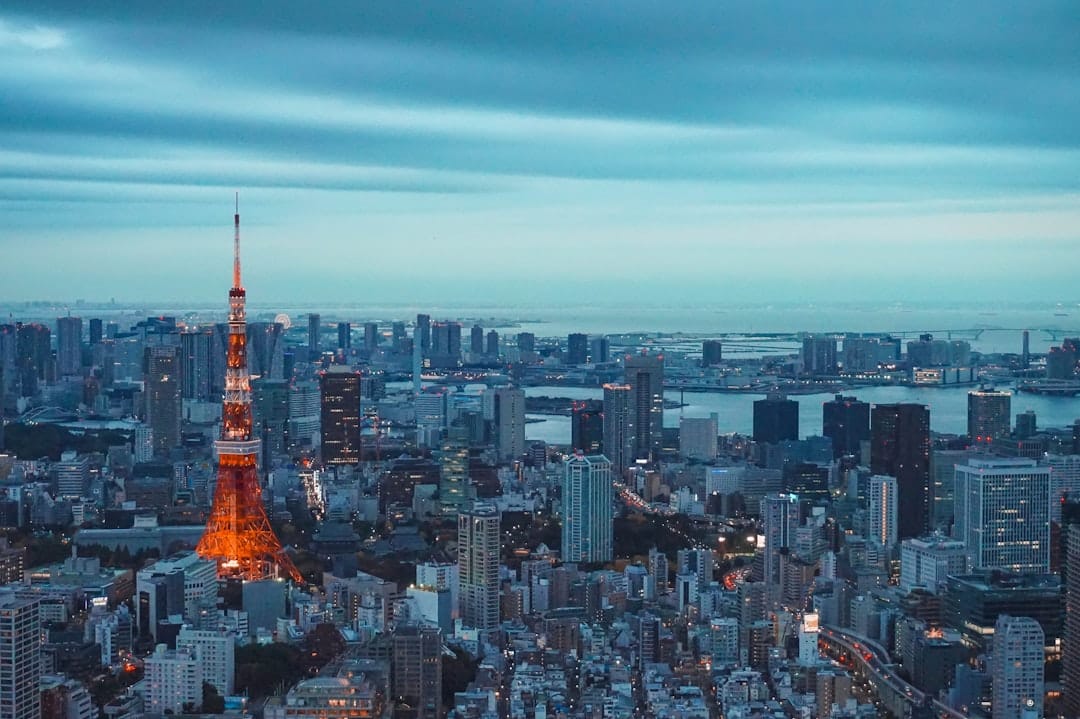
Let's settle it right away: yes, you can absolutely visit Tokyo without a guide. Millions of travelers do it every year, and they gain something no organized tour offers — total freedom. Your route. Your pace. Your budget. The freedom to linger an hour in a temple or duck out for a bowl of ramen whenever the mood strikes.
The only mistake to avoid is setting off completely blind. Because Tokyo, without any cultural key, can quickly boil down to gorgeous neon and crowds whose codes and rituals you never quite grasp. And that would be a shame: it's precisely that hidden meaning that turns a walk into a journey.
The right approach fits in one sentence: stay free, but don't stay clueless. Here's how.
What nobody tells you about Tokyo "with nothing"
Standing in front of a Shinto shrine, an unprepared traveler sees… a pretty red gate and a queue by a fountain. It's the classic trap, and travelers say it themselves: "you move through these places without really understanding the gestures in front of you."
There's a reason for that: Tokyo constantly plays on two invisible registers, age-old tradition and ultra-modernity, and almost nothing is explained on site. The purification ritual at a shrine entrance, the meaning of a torii gate, the etiquette of a neighborhood — without a key to read them, you literally walk right past the soul of the city. Signs are rare, often in Japanese, and never tell the stories that bring a place to life.
Visiting without a guide doesn't mean "visiting with nothing." It means giving yourself the right tools to understand — while keeping your freedom.
Tokyo's must-sees (and why you need to understand them)
Here are the places you shouldn't miss. But remember one thing: in front of each one, what changes everything isn't seeing it — it's knowing what you're looking at.
Senso-ji Temple (Asakusa)
From afar, a big red gate and a giant lantern. With its story: Tokyo's oldest temple, founded according to legend on a statue of Kannon that two fishermen pulled from the river.
Shibuya Crossing
The most misunderstood "pedestrian crossing" in Tokyo. Yet it's one of the busiest in the world, a ballet timed to the second that sums up the megacity's energy all by itself.
Meiji Shrine
A forest in the heart of the city, planted by hand a century ago. Without context, just beautiful trees; in reality, the Shinto shrine dedicated to Emperor Meiji and Empress Shoken.
Tokyo Skytree
The tallest tower in the world when it was built, at 634 meters. A number chosen on purpose: 6-3-4 reads "mu-sa-shi," the old name of the Tokyo region.
Shinjuku
A forest of skyscrapers by day, an ocean of neon by night. Behind Kabukicho and the world's busiest train station hides Golden Gai, a maze of tiny post-war bars.
Ginza
Tokyo's most upscale district, built on a former silver mint — "Ginza" means "the silver place." Its century-old department stores sit alongside luxury flagships.
Akihabara
The district where Tokyo lives out its passions: a post-war electronics market turned global mecca for manga, video games and otaku culture.
The Imperial Palace
Behind its moats and pines lies the emperor's residence, on the foundations of the old Edo Castle. Without a key, you walk along a wall without guessing what it protects.
And these are only the best known: Tokyo has hundreds of places worth pausing for, from overlooked neighborhoods to hidden treasures.
How to visit Tokyo without a guide, in practice
1. Organize your must-sees by neighborhood
You now know the big must-sees. Pin them on a map and group them by area so you don't zigzag: Asakusa with the Skytree to the east, Shibuya with Meiji Shrine and Harajuku to the west, Shinjuku on its own, the Imperial Palace with Ginza in the center. Tokyo is huge but well connected: lean on the Yamanote Line and the metro. And leave room for the unexpected — often it's the unplanned alleys that stay with you most.
2. Give yourself the means to understand what you see
This is the step most people skip — and the one that makes all the difference. You have several options: a paper guidebook (effective, but you read it head down, hands full), DIY prep (notes, videos), or the solution independent travelers have adopted in recent years: the geolocated audio guide, which detects where you are and starts the story of a place at the exact moment you arrive — hands and eyes free, across Tokyo.
3. Pick the right moment and avoid the traps
Arrive early at the big sites (before the tour groups and the summer heat), respect shrine etiquette (purification, discreet photos, quiet), keep some cash on you since it's still king, and aim for spring for the cherry blossoms or autumn for the red maples. With that, you'll visit Tokyo more freely — and often better — than with any guided tour.
Paper guide, mobile app or audio guide: which to choose?
All three options look equal on paper. In the streets of Tokyo, the experience is very different.
The paper guidebook
Thorough, but you read it standing in the crowd, head down, hands full. You look down at the pages instead of looking at the city — and forget it by that same evening.
The "classic" audio app
It forces a fixed route to follow in order. The frequent result: you end up disoriented in the maze of the metro, you backtrack, and you feel like you missed half of it.
The geolocated audio guide
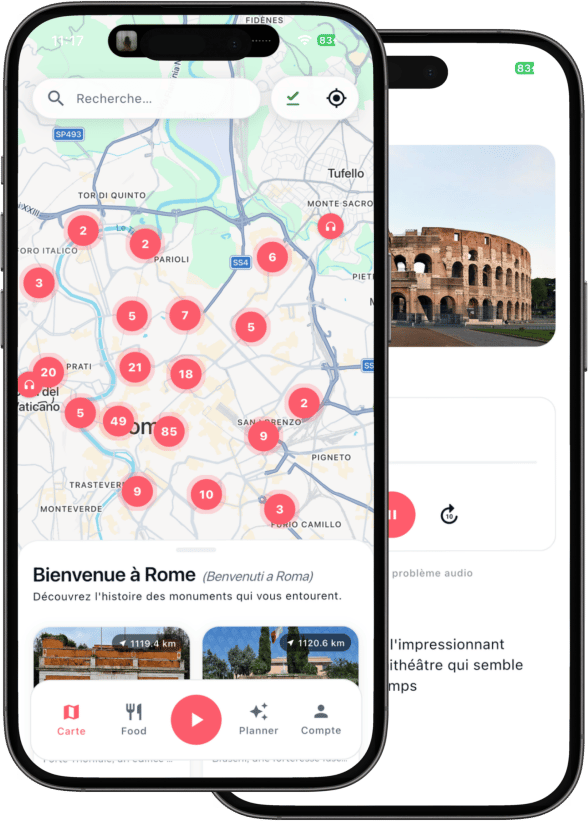
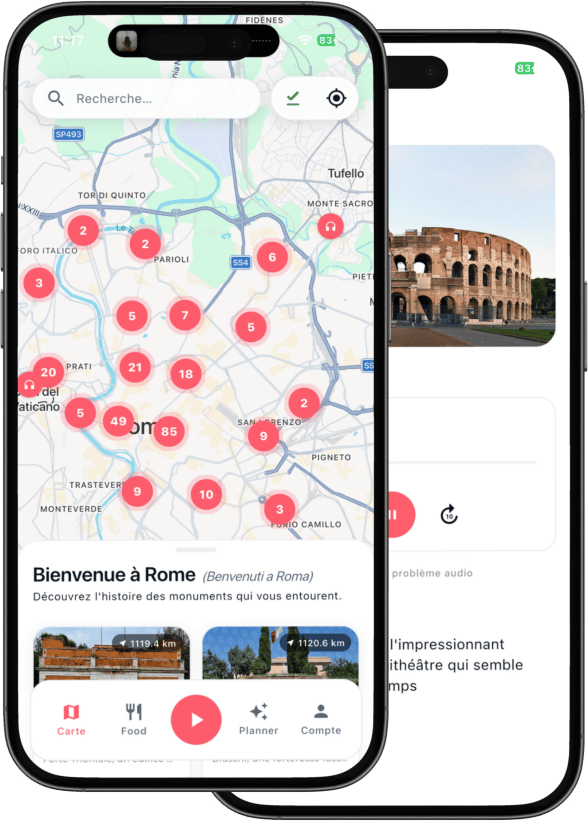
The story triggers on its own wherever you are: impossible to get lost or miss the order. And it's not a robot — a real story, with the anecdotes and secrets no sign tells. You look up at Tokyo, not at a screen, even offline. That's CityGuide's approach.
A typical day in Tokyo without a guide
An example of a walking itinerary, to adapt to your mood — each stop tells its own story if you have an audio guide that triggers as you walk.
Asakusa and Senso-ji Temple, then up the nearby Tokyo Skytree. This is where tradition comes back to life: incense, rituals and curved roofs, facing the city's most modern tower. Arrive early to beat the crowds.
Lunch in Shinjuku, Tokyo's liveliest district. Look for the small spots where Tokyoites eat — a ramen counter or the lanes of Golden Gai, away from the most touristy avenues.
Meiji Shrine, Harajuku, then Shibuya Crossing. You walk as the mood takes you — the sacred forest, the trendy street and the ballet of pedestrians follow one another within a few metro stops.
Sunset from a Shinjuku observation deck, with a view over the whole city and, on a clear day, Mount Fuji. The last anecdote of the day before drinks.
— Questions fréquentes
Visiting Tokyo without a guide: your questions
Yes, absolutely. Millions of travelers visit Tokyo independently every year. You gain total freedom — your route, your pace, your budget. The only thing to anticipate: having a bit of context to understand what you're looking at, otherwise the temples and rituals stay silent.
Not necessarily. A good audio guide like CityGuide downloads before you leave and then works 100% offline — without touching your data plan or paying roaming in Japan. GPS is enough.
That's the difference with a geolocated audio guide: instead of forcing a fixed route to follow in order, it detects where you are and starts the right story in the right place. You walk however you like through the Tokyo maze, and you can't miss the order or end up disoriented.
Not if you equip yourself a little. A well-made audio guide tells you the stories, rituals and anecdotes a guide would give — except you keep it forever and replay it whenever you want. You gain the freedom on top.
Senso-ji Temple in Asakusa, Shibuya Crossing, Meiji Shrine, Tokyo Skytree, the Shinjuku, Ginza and Akihabara districts, and of course the Imperial Palace. But Tokyo is also lived in its alleys and lesser-known neighborhoods.
Spring (late March-April) for the cherry blossoms and autumn (October-November) for the red maples: mild weather and spectacular scenery. Avoid summer, hot and humid. And whatever the season, arrive early at the big sites to beat the crowds.
— Pour aller plus loin
The audio guide that tells you Tokyo as you walk
CityGuide turns your phone into a personal audio guide: you walk, and the precise instant you reach a temple or a crossing, a voice begins — a real story, with the anecdotes, rituals and secrets no sign tells. And it's not just an audio guide: ready-made walks to follow, the best places to eat like a local, an itinerary planner. Many places across Tokyo, even offline — enough to discover the city from A to Z, without ever staying clueless.
Discover the Tokyo audio guide