

Practical Accommodation Guide
Where to Stay in Tokyo: The 8 Best Neighborhoods Compared
Tokyo is massive, but its rail network makes getting around seamless. Find your ideal home base to match your pace and budget.
The CityGuide Team · September 8, 2026 · 7 min
In Tokyo, you don't choose a neighborhood for its headline monument, but for its train station. The city operates as autonomous hubs linked by the Yamanote loop line and the underground subway network. Picking the wrong base can easily trap you in endless transfers during rush hour. It is far better to target an area that fits your exact travel style.
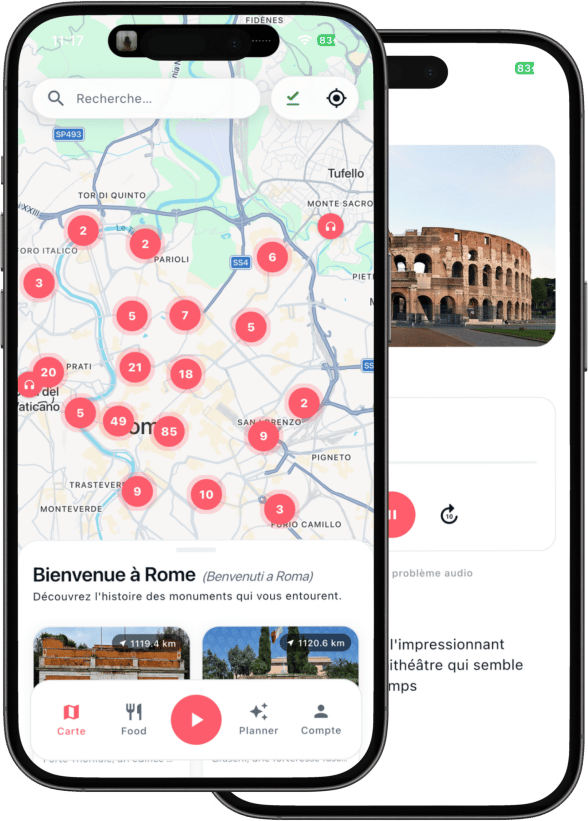
To navigate without stress right after stepping off the train, CityGuide audio tours guide you step by step through every corner of the capital.
Quick Summary: Where to Stay for Your Trip
First-time visitor
Shinjuku
Ultra-connected station, direct departures across the country, and restaurants and shops open round the clock.
Budget travelers
Asakusa
Significantly lower rates, old-town atmosphere, and easy access to both airports.
Families with children
Ueno
Relaxing large park, numerous museums, flat streets, and direct train links from Narita.
Trendy vibe
Shimokitazawa
Pedestrian alleyways, indie thrift stores, and quiet cafés, far from glass skyscrapers.
Tokyo's 8 Neighborhoods Examined
Here are the true characteristics of each area to help you book with peace of mind.
 €€€ · expensive
Travel with Lenses · Pexels
1. Shinjuku
The beating, hyper-connected heart of the megacity
Best for : First-time visitors
Stepping outside in the morning, a tide of suit-clad salarymen crosses massive intersections. Video billboards illuminate glass facades, and underground corridors hum with activity. In the evening, narrow alleys fill with skewer smoke, clinking glasses, and blinking red neons.
Upsides
- Direct rail links across Tokyo and to Mount Fuji
- Huge variety of restaurants open late into the night
- Spectacular urban atmosphere at the foot of skyscrapers
Downsides
- A labyrinthine station that can be exhausting with heavy luggage
- High noise levels in nightlife streets
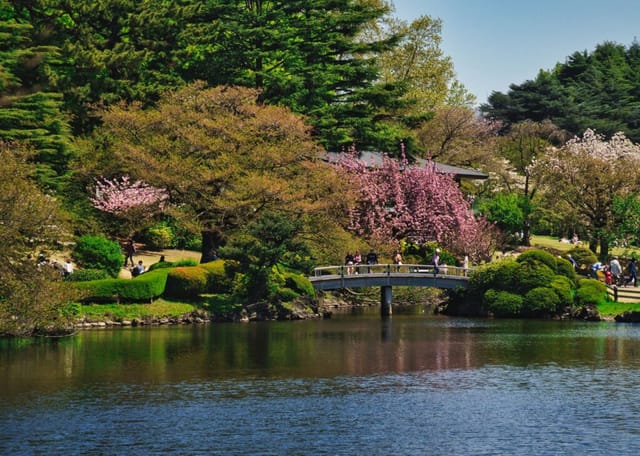
On foot from here : Access to Shinjuku Gyoen park in about ten minutes and to the Tokyo Metropolitan Government buildings in about fifteen minutes.
 €€ · mid-range
Timo Volz · Unsplash
2. Shibuya
Youthful energy and the ultimate trendsetter hub
Best for : Young professionals and shopping enthusiasts
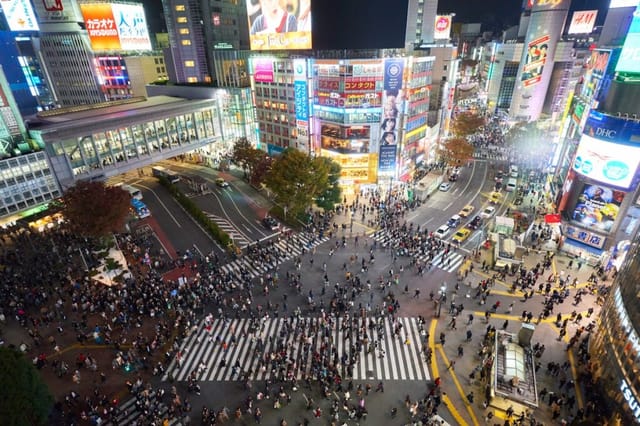
From early morning, waves of students and creatives drift between vertical shopping malls. Gentle slopes lead to design cafés and cutting-edge boutiques. Pop music drifts through the streets over the hurried steps of pedestrians crossing the giant crosswalks.
Upsides
- Major subway lines to cross the city quickly
- Countless fashion boutiques and trendy cafés
- A vibrant district that rarely feels suffocating
Downsides
- Constant crowds in the station's immediate surroundings
- Steep inclines in certain residential pockets
On foot from here : Access to Yoyogi Park in about fifteen minutes and to Harajuku in about twenty minutes.
 € · affordable
Maheshwaran Shanmugam · Pexels
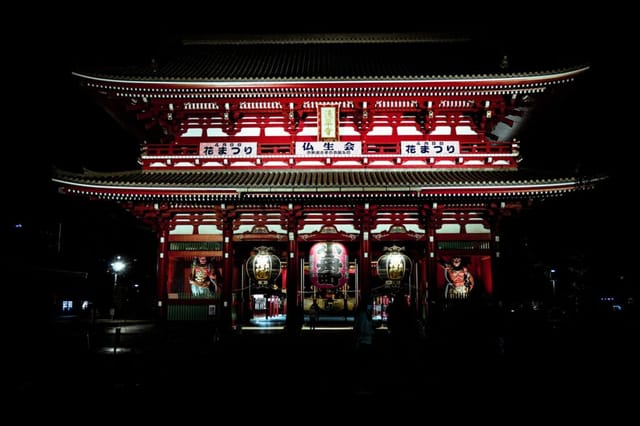
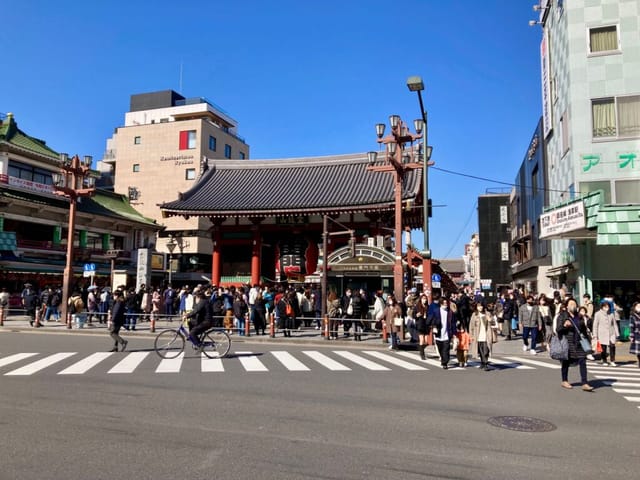
3. Asakusa
The working-class, nostalgic charm of old Tokyo
Best for : Budget travelers
The scent of incense drifts near the temples at dawn while shopkeepers slide open wooden shutters. The low-rise alleys are quiet, populated by elderly residents and craftspeople. Come evening, red paper lanterns glow outside tiny traditional eateries where diners sit elbow to elbow.
Upsides
- Affordable and diverse lodging options
- Authentic atmosphere with low-rise architecture
- Direct trains to Haneda and Narita airports
Downsides
- A bit far from the modern western districts
- Streets quiet down and shops close early
On foot from here : Access to the banks of the Sumida River in under ten minutes and to Tokyo Skytree in about twenty minutes.
Once you are there, let it guide you
The CityGuide Tokyo audio guide starts by itself in front of every place, whichever neighbourhood you sleep in.
Full audio guide
$21.90 $39.90
★ 4.8/5 · 15 reviews
30-day money-back guarantee
 €€€ · expensive
Szymon Shields · Pexels
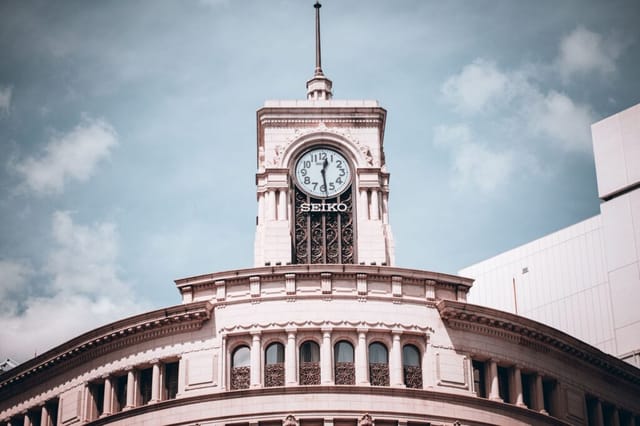
4. Ginza
Understated elegance, department stores, and refinement
Best for : Couples seeking peace and quiet
Impeccable wide avenues lined with luxury flagships welcome a well-dressed crowd. Mornings are hushed, free of blaring horns or chaos. When evening arrives, office workers exit the towers and the neighborhood settles into near-total silence, ideal for relaxed fine dining.
Upsides
- Extremely pristine, clean, and secure environment
- Three major subway lines intersect underground
- Direct proximity to Tsukiji Market and the bay
Downsides
- Accommodation prices among the highest in the city
- Very quiet, almost austere atmosphere after 9 p.m.
On foot from here : Access to the former Tsukiji Outer Market in about ten minutes and to Hamarikyu Gardens in about fifteen minutes.
 €€€ · expensive
Huu Huynh · Pexels
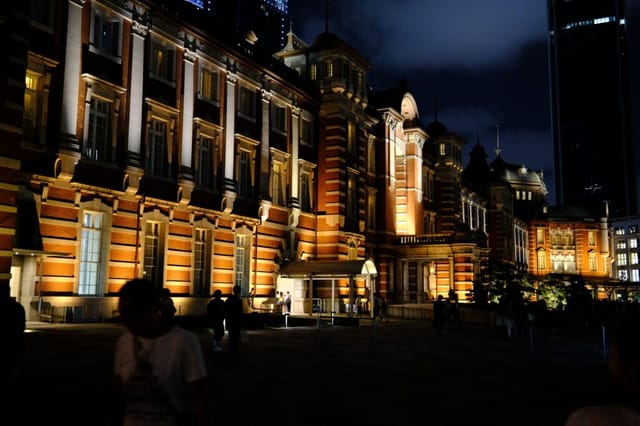
5. Marunouchi
The strategic business district anchored to the Shinkansen
Best for : Quick transits and rail stopovers
Broad avenues lined with plane trees and spotless office towers where executives in dark suits hurry past. Everything is orderly. Ground floors house curated bakeries and business cafés. By the end of the workday, the forecourts clear out in clockwork fashion.
Upsides
- Immediate departures on Shinkansen bullet trains to Kyoto
- Easy walking access to the Imperial Palace gardens
- Spacious, flat, pedestrian-friendly streets
Downsides
- Total lack of casual neighborhood life
- Limited and pricey late-night dining options
On foot from here : Access to the Imperial Palace moats in about ten minutes and to Ginza in about fifteen minutes.
 €€ · mid-range
Iban Lopez Luna · Pexels
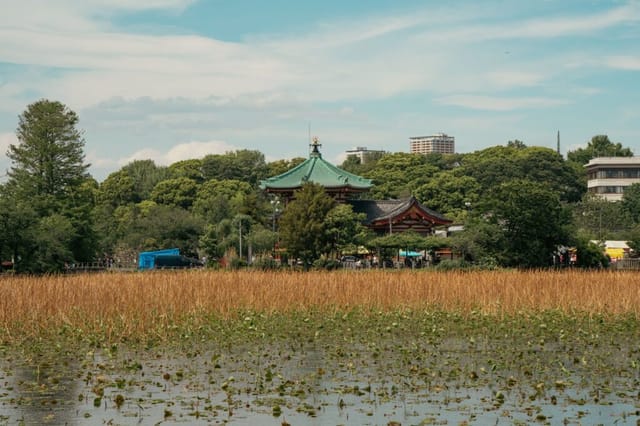
6. Ueno
Green spaces, national museums, and lively street markets
Best for : Families with children
Under the elevated railway tracks, open-air market stalls come alive with calls from fishmongers and aromas of street food. Just uphill, the large park offers quiet tree-lined pathways where children play before the art galleries and lotus ponds open.
Upsides
- Direct express rail link to Narita Airport
- Sprawling park with a zoo, museums, and pedestrian paths
- Moderate hotel rates right on the Yamanote loop line
Downsides
- Certain streets around the station can feel cluttered and gritty
- Fewer upscale dining options in the evening
On foot from here : Access to the Tokyo National Museum in about ten minutes and to the traditional Yanaka neighborhood in about twenty minutes.
 €€ · mid-range
TJ Bruder · Unsplash
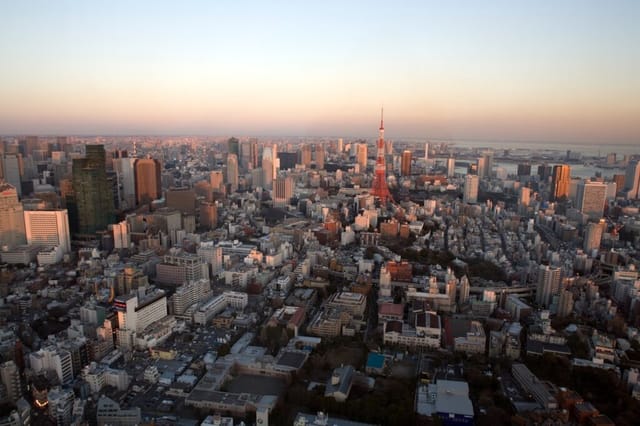
7. Roppongi
A cosmopolitan crossroads of modern art and nightlife
Best for : Night owls and expats
International residents mingle with late-night revelers beneath contemporary skyscrapers. Mornings are calm around the modern art complexes. Once darkness falls, English-speaking pubs, cocktail bars, and dance clubs take over, enlivening intersections beneath illuminated highway viaducts.
Upsides
- International community making travel easy without Japanese
- Major art museums and renowned galleries close by
- Lively nightlife that goes on until dawn
Downsides
- Not directly served by the JR Yamanote loop line
- Lively party scene can be noisy near clubs
On foot from here : Access to Tokyo Midtown in about ten minutes and to Tokyo Tower in about twenty minutes.
 €€ · mid-range
Tatsuo Nakamura · Pexels
8. Shimokitazawa
Bohemian vibes, vintage thrifting, and indie cafés
Best for : Alternative stays
No high-rises in sight, just a maze of pedestrian alleys where bicycles drift past. Shopkeepers roll racks of retro clothing outside second-hand record shops. The aroma of freshly brewed pour-over coffee fills the air alongside jazz riffs drifting from basement clubs.
Upsides
- Genuine, human-scaled neighborhood vibe
- Peaceful pedestrian lanes without car traffic
- Plentiful independent eateries and quirky bars
Downsides
- Further out, requiring a train transfer to reach the Yamanote line
- Very limited hotel inventory compared to downtown
On foot from here : Walk across the entire neighborhood from east to west in about fifteen leisurely minutes.
Getting Around: What to Know Before You Book
The JR Yamanote Line as your backbone
This elevated loop railway connects Tokyo's major hubs: Shinjuku, Shibuya, Tokyo, and Ueno. Staying near one of its stations simplifies all your journeys without intricate connections.
JR and the subway: two separate networks
JR trains and the subway network are run by different transit operators. A reloadable transit card like Suica or Pasmo lets you tap through gates across both networks without buying single tickets.
Airport connections to avoid transit headaches
If landing at Narita, Ueno and Tokyo Station offer direct high-speed express trains. If arriving via Haneda, Shinagawa and Asakusa provide straightforward links without needing an expensive taxi.
Where Not to Stay in Tokyo
Avoid booking directly in the immediate alleyways of Kabukicho in Shinjuku if you are a light sleeper. The bright neon signs and relentless bar noise will wear you down quickly. Likewise, skip accommodations located far from a subway station or the Yamanote line, particularly out on reclaimed bay islands. You would lose an hour every morning and evening on transfers, with very few dining spots open after 10 p.m.
— Frequently asked questions
Frequently Asked Questions About Staying in Tokyo
The west, featuring Shinjuku and Shibuya, is best for modern energy and nightlife. The east, with Asakusa and Ueno, offers gentler prices and a more traditional atmosphere.
For a first-time trip of a week, stick to one hotel. Tokyo transit is so fast and efficient that a single well-chosen base is plenty to explore the entire city.
A traditional ryokan with tatami mats and futons is best experienced in historic districts like Asakusa or Ueno. Standard Western hotels remain more functional for laying out large suitcases.
Yes, standard hotel room sizes in Japan are compact. If you travel with two large suitcases, always check the square footage before completing your reservation.
Yes, Tokyo sees high hotel occupancy rates year-round, especially during spring cherry blossom season and in autumn. Book several months ahead to secure the best choices.
Trains and subways stop running around 12:30 a.m. If you plan to stay out late, stay right in the district where you party—such as Shinjuku, Shibuya, or Roppongi—since the city is too sprawling to walk back.
— Go further
Explore Tokyo with a Guide in Your Pocket
Once you have chosen your neighborhood, discover the city on foot without constantly checking a map. The CityGuide app reveals the hidden history of Tokyo's streets as you walk.
Discover the Tokyo Audio Guide