

Travel Guide
Top 10 Mexico City Attractions to See in 2026
Planning an itinerary in the Mexican capital requires grouping sights by neighborhood to navigate the heavy traffic. Here are the ten main sites to prioritize, along with practical constraints to organize your schedule.
CityGuide Editorial Team · September 16, 2026 · 9 min read
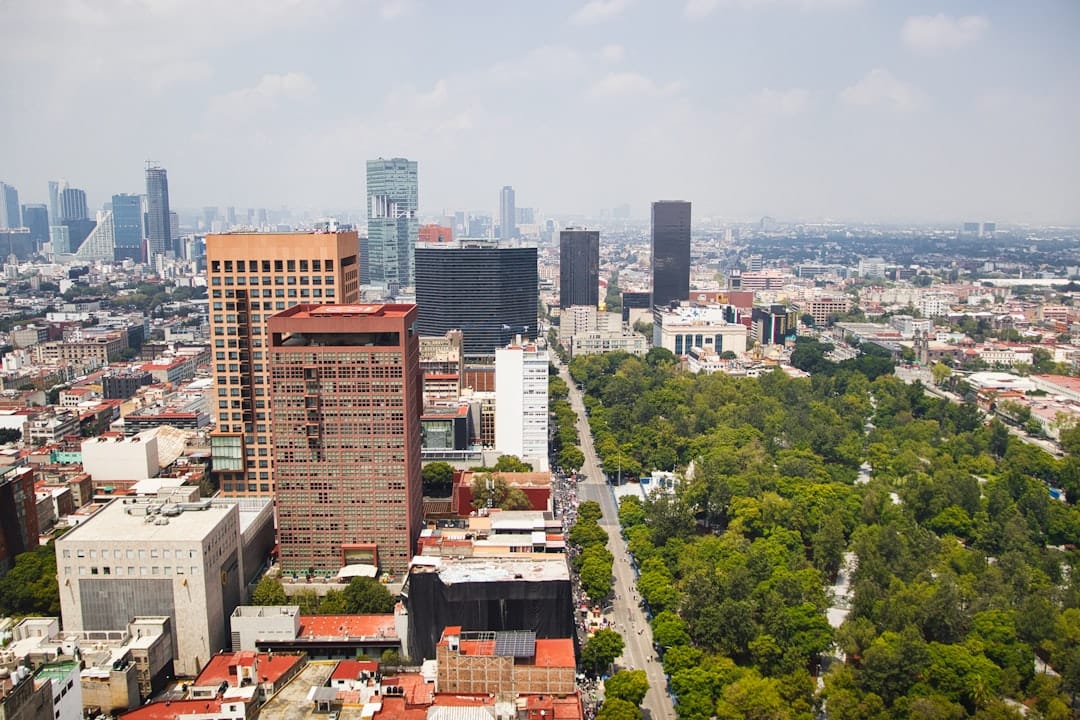
Mexico City sits at an elevation of about 2,240 meters. Visitors often feel the altitude for the first day or two, so arriving with a flexible schedule helps you adjust.
The Aztec capital Tenochtitlan was founded in 1325 on an island in Lake Texcoco. The colonial city was built directly on top of it, creating a dense layout where ruins sit next to Spanish architecture.
The dry season runs roughly from November to April, while the rainy season from June to September usually brings afternoon storms. Jacaranda trees bloom in purple around March.
Museo Nacional de Antropología
Opened in 1964, this facility holds the Aztec Sun Stone and features a massive courtyard fountain known as El Paraguas.
Like most museums in the city, the complex is closed on Mondays. Plan for at least three hours to cover the main ground-floor halls.
The Zócalo and Metropolitan Cathedral
Officially named Plaza de la Constitución, this is one of the largest public squares in the world. The adjacent Cathedral was built over roughly 250 years and leans visibly as it sinks unevenly into the soft former lakebed.
The Zócalo regularly hosts concerts, rallies and stages that can fill the square. The cathedral is an active church: dress respectfully and keep your visit quiet during Mass.
Templo Mayor
These central Aztec ruins were uncovered in 1978 after electrical workers accidentally found the massive Coyolxauhqui stone beneath the street.
The site includes an outdoor walkway through the ruins and an indoor museum. It sits directly off the Zócalo, making it easy to combine with the Cathedral.
Palacio de Bellas Artes
Construction began in 1904 and finished in 1934. It houses murals by Rivera, Orozco, Siqueiros, and Tamayo. The Palacio Postal opened in 1907 right next door, and the nearby Torre Latinoamericana, completed in 1956, offers an observation deck.
The Ballet Folklórico de México performs in the main theater, so check the program and buy tickets ahead. A museum ticket is enough to see the murals.
Once you are there, let it guide you
The CityGuide Mexico City audio guide starts by itself in front of every stop on your itinerary.
Full audio guide
$21.90 $39.90
★ 4.8/5 · 15 reviews
30-day money-back guarantee
Chapultepec Park and Castle
One of the largest urban parks in the Western Hemisphere, Chapultepec holds a castle that served as the residence of Emperor Maximilian and Empress Carlota in the 1860s. It now houses the National Museum of History.
The path up the hill to the castle is steep. The park is vast, so pick the entrance nearest to what you want to see before you set off.
Frida Kahlo Museum (Casa Azul)
Located in the southern neighborhood of Coyoacán, this blue house is where the artist Frida Kahlo was born and died.
Tickets are sold online for a set time slot and often sell out days ahead. You cannot buy entry at the door.
Teotihuacan
Located about 50 kilometers northeast of the city, this ancient site features the Avenue of the Dead, which links the massive Pyramid of the Moon and the Pyramid of the Sun.
Plan most of a day, including the drive, which depends heavily on traffic. Arrive early: there is very little shade along the Avenue of the Dead.
Xochimilco
This network of canals and chinampas, or farmed floating gardens, forms a UNESCO World Heritage Site alongside the historic center.
Visitors hire colorful flat-bottomed boats called trajineras. The docks are located far south of the center, requiring a long ride on the Metro and light rail.
Basilica of Our Lady of Guadalupe
One of the most visited Catholic shrines in the world, the complex includes a modern circular basilica dating from 1976. Huge crowds gather here annually around December 12.
The site is located in the northern part of the city. It remains open daily, and visitors can use the moving walkways to view the tilma without blocking the flow of foot traffic.
Roma and Condesa
These leafy adjacent neighborhoods are known for their high concentration of Art Deco and early 20th-century architecture. Parque México serves as the central green space in Condesa.
Both neighborhoods are flat and easy to walk, which makes them ideal for an afternoon on foot. Watch your step: many sidewalks are lifted by tree roots.
What to See on a Second Visit?
Once you have covered the center, head west to Polanco for the Museo Soumaya, a building clad in hexagonal aluminum tiles that holds Carlos Slim's collection, including many Rodin sculptures. In Coyoacán, the Leon Trotsky House Museum makes a quieter stop after the Casa Azul. And for a look at what the city cooks with, walk the aisles of the Mercado de San Juan, known for its unusual ingredients.
How to Organize Your Days
Group sights by neighborhood
The city is huge and traffic is notoriously slow. Dedicate one full day to the historic center around the Zócalo, and another to Chapultepec Park and the Polanco area.
Plan southern sites together
Coyoacán and Xochimilco are located far south of the center. Combine the Casa Azul and a trajinera boat ride on the same day to minimize transit time.
Utilize public transit wisely
The Metro and Metrobús are extensive and very inexpensive, featuring designated women-and-children-only cars. They get extremely crowded at rush hour, so rely on ride-hailing apps during off-peak times.
The Best Tools for Exploring the City
Several resources can assist you in navigating the Mexican capital. Here are three common ways to explore the sights.
Traditional printed travel guide
Provides solid historical context and maps. However, printed admission rules and transit routes often become outdated quickly.
Group guided tour
A practical choice for day trips to Teotihuacan, as transport is handled for you. The rigid schedule leaves little room for independent exploration.
Smartphone GPS audio tour
CityGuide detects your location and triggers audio commentary automatically near landmarks. It works offline, which is useful if you do not have a local data plan.
— Questions fréquentes
Frequently Asked Questions About Planning
Plan for at least four full days. This allows one day for the historic center, one for Chapultepec, one for the southern neighborhoods, and a morning trip to Teotihuacan.
Sights within specific neighborhoods like Roma, Condesa, and the historic center are walkable. However, moving between these distinct districts requires transport due to the vast distances.
The Frida Kahlo Museum (Casa Azul) sells timed tickets online that often sell out days ahead. For the Ballet Folklórico at Bellas Artes, buy tickets before your trip. Access to the Diego Rivera murals in the National Palace has been restricted at times, so check before going.
Yes. The scale of the Avenue of the Dead, linking the Pyramid of the Moon and the Pyramid of the Sun, is hard to picture until you walk it. The site is about 50 kilometers (30 miles) northeast of the city, so plan most of a day including traffic.
Most museums in the city close on Mondays, including the Museo Nacional de Antropología and Chapultepec Castle. Plan to visit outdoor sites or neighborhoods like Roma on this day.
Common-sense rules apply: use ride-hailing apps or authorized taxi booths at the airport, and watch your belongings on the crowded Metro. Always check the current US State Department travel advisory for Mexico City before flying.
— Pour aller plus loin
Ready to Explore the Mexican Capital?
CityGuide turns your phone into an audio guide that starts talking on its own at the Zócalo, the Templo Mayor and Chapultepec Castle. It works offline, so you do not depend on roaming data.
See the Mexico City audio guide