

Travel Guide
Things to Do in Mexico City: Experiences Worth Your Time
Mexico City—officially Ciudad de México or CDMX since 2016, though many still call it Mexico D.F.—is built over a former lakebed and the Aztec capital of Tenochtitlan. The sheer scale of the capital requires a strategy: the distances between neighborhoods mean that pacing your days by area is the only way to actually see it.
CityGuide Editorial Team · September 16, 2026 · 9 min read
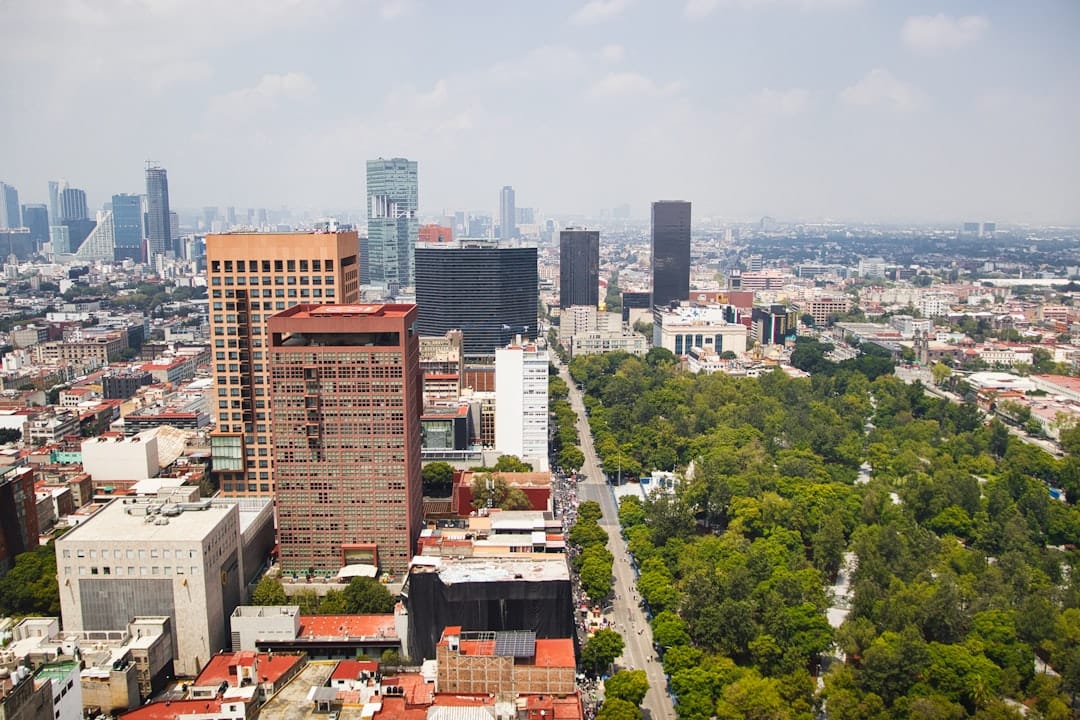
The capital breaks down into distinct zones: the historic center around the Zócalo for colonial architecture and Aztec ruins, Chapultepec for the park and major museums, and neighborhoods like Roma and Condesa for walking.
Pacing matters because the city sits at about 2,240 m (7,350 ft). Visitors usually feel the altitude for the first day or two, making a slow start highly advisable.
Most major museums close on Mondays, which forces a shift in your itinerary. Use that day for a trajinera ride in Xochimilco, a market or a walk through Roma and Condesa.
What to know before you go
The altitude of 2,240 m (7,350 ft) means you will tire faster on your first day. Drink bottled or filtered water—tap water is not considered safe—and walk slowly.
Plan around Monday closures. The Museo Nacional de Antropología and Chapultepec Castle shut their doors on Mondays, making it the right day for parks or markets.
Carry Mexican pesos in cash. While cards are widely accepted in sit-down restaurants, you need physical currency for street food stalls, market vendors, and tipping.
The highlights of Mexico City
What to do in the capital, focusing on how to experience each location rather than just walking past it.
Ride a trajinera through the Xochimilco canals
Hire a colorful flat-bottomed boat to navigate the farmed floating gardens, or chinampas. This area, along with the historic center, is a UNESCO World Heritage Site.
Watch lucha libre at Arena México
The venue serves as the cathedral of Mexican wrestling. The matches feature masked wrestlers, acrobatic moves, and a highly vocal crowd.
See the Ballet Folklórico at Bellas Artes
The Palacio de Bellas Artes, opened in 1934, houses murals by Rivera and Siqueiros. Watching the traditional ballet inside gives you a reason to see the theater's interior.
Eat your way through a market
Mercado de San Juan specializes in unusual ingredients, while La Merced stands as one of the largest traditional markets. Coyoacán also has a popular covered market for lunch.
Tacos al pastor and street food
Look for vertical spits of marinated pork topped with pineapple. You will need cash to pay the street vendors, who usually hand you a plate covered in a plastic bag.
Walk Paseo de la Reforma on a Sunday
On Sunday mornings, a long stretch of this major avenue closes to cars. Cyclists and runners take over the road, making it the easiest time to walk the route.
Spend an afternoon in Coyoacán
This southern neighborhood holds the Frida Kahlo Museum, known as the Casa Azul. Tickets are sold online for timed entry and often sell out days ahead, so book early.
Hear mariachis at Plaza Garibaldi
Mariachi bands gather here at night to play for hire. Arrive using a ride-hailing app or authorized taxi, and keep an eye on your belongings in the crowd.
Beyond these, you can explore the early 20th-century architecture in Roma and Condesa, or view the Diego Rivera murals inside the National Palace—though public access to the latter is sometimes restricted.
How to plan your days
Group by area
Mexico City traffic is heavy. Attempting to see the Zócalo and Coyoacán on the same day means spending hours in a car. Stick to one zone per day.
Use ride-hailing apps or the Metro
The Metro and Metrobús are extensive and very inexpensive, though crowded at rush hour. Ride-hailing apps are widely used and offer a reliable alternative to hailing cabs on the street.
Plan for afternoon rain in summer
The rainy season runs roughly from June to September. Storms typically hit in the afternoon or evening, so schedule outdoor walks for the morning.
Eat your main meal in the afternoon
Locals eat their main meal late in the afternoon. Sit-down restaurants fill up between 2 PM and 4 PM, and a 10-15% tip is customary.
Understanding what you are looking at
The capital layers Aztec ruins beneath colonial churches and modern skyscrapers. Without context, the Metropolitan Cathedral is just a large building, rather than a structure sinking into a former lakebed.
A paper guidebook
Useful for historical dates, but heavy to carry and difficult to read while navigating crowded sidewalks or the Metro.
A guided tour
Provides deep detail on a single site like Teotihuacan, but locks you into a fixed schedule and moves at the pace of the slowest group member.
A location-aware audio guide
CityGuide starts its commentary automatically near landmarks and works offline, which is essential if you lack mobile data while walking the historic center.
What to do in Mexico City depending on how long you have
A progression of itineraries designed to minimize time spent in traffic and maximize time on the ground.
Start at the Zócalo. See the Metropolitan Cathedral and the Templo Mayor ruins, uncovered in 1978. Walk past the Palacio Postal to the Palacio de Bellas Artes.
Spend the second day in Chapultepec Park. Visit the Castillo de Chapultepec, then walk to the Museo Nacional de Antropología to see the Aztec Sun Stone.
Head south to Coyoacán. Visit the Casa Azul and the Leon Trotsky House Museum, eat at the local covered market, and walk the neighborhood's squares.
Walk or rent a bike on the car-free Paseo de la Reforma in the morning. Later, visit La Lagunilla to browse its large Sunday antiques and flea market.
Watch lucha libre at Arena México or hire a mariachi band at Plaza Garibaldi. Always use a ride-hailing app to travel between venues after dark.
— Questions fréquentes
Things to do in Mexico City: your questions
Three days cover the historic center, Chapultepec and Coyoacán. Add a fourth for Teotihuacan, about 50 km (30 miles) northeast, which takes most of a day with traffic.
Yes. The official name changed from Distrito Federal (Mexico D.F.) to Ciudad de México (CDMX) in 2016, though many locals still use the old name.
Yes, Mexican pesos are necessary. While cards work in most shops and sit-down restaurants, cash is required for street food, markets, and tipping.
Use common sense. Check the current US State Department travel advisory, use ride-hailing apps rather than walking long distances in the dark, and watch your belongings.
Yes, if you give it half a day. The canals and chinampas are a UNESCO World Heritage Site, and a trajinera ride is the easiest way to see them. The docks are far south of the center, so pair Xochimilco with Coyoacán on the same day.
The dry season runs from November to April. Around March, jacaranda trees bloom in purple. Day of the Dead brings crowds on November 1-2.
— Pour aller plus loin
The audio guide that tells you Mexico City as you walk
CityGuide starts the commentary on its own at the Zócalo, the Cathedral, and through the neighborhoods of Roma and Condesa. It all works offline, and one purchase covers everyone traveling with you.
See the Mexico City audio guide