

Travel Guide
Visit Mexico City: How to Plan Your First Trip
Organizing a trip to the Mexican capital involves preparing for a high-altitude environment, navigating a massive public transit system, and understanding current entry requirements.
CityGuide Editorial Team · September 16, 2026 · 9 min read
Start by verifying entry requirements. US citizens currently do not need a visa for short tourist stays, but rules can change, so you must check official government sources before booking your flight.
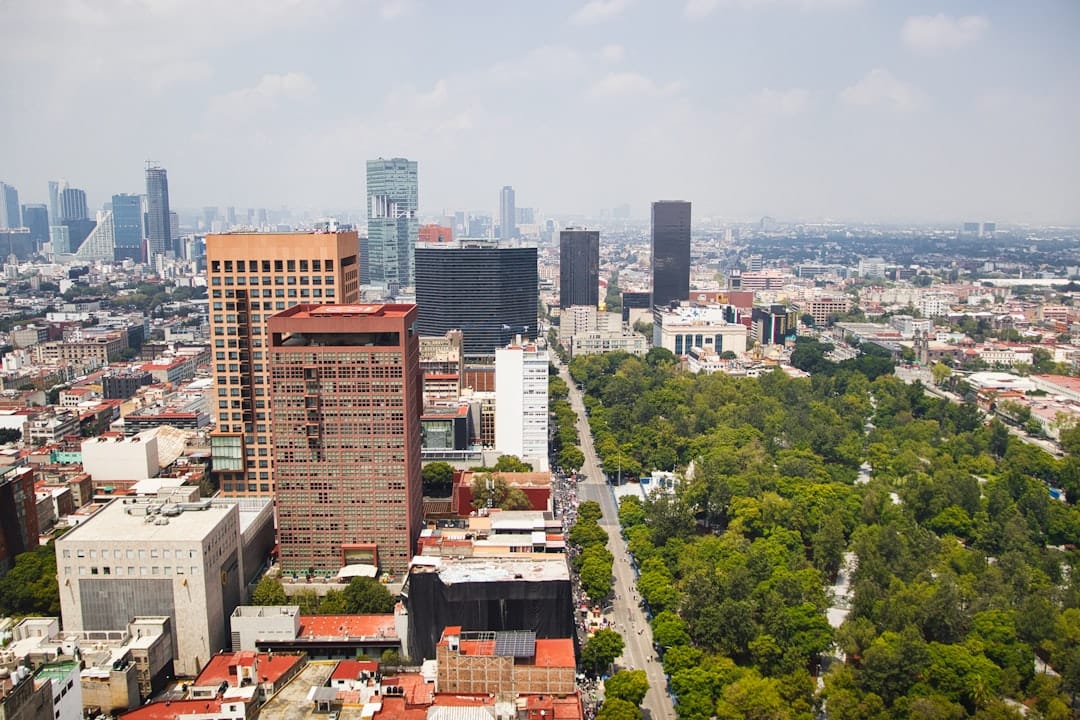
Prepare for the elevation. The city sits at roughly 2,240 meters (7,350 feet) above sea level, and most visitors feel the thinner air during their first day or two of walking.
Plan your airport transfer carefully. Upon landing at the airport (AICM), bypass unofficial drivers and use only the authorized taxi booths inside the terminal or a recognized ride-hailing app.
What to Prepare Before Leaving the US
Passport and Entry
Ensure your US passport is valid for your travel dates. While tourists from the United States do not currently require a visa for short visits, entry protocols shift, requiring a check of official sources before departure.
Altitude Adjustment
Mexico City rests at about 2,240 meters (7,350 feet). The elevation often causes shortness of breath or mild fatigue during the first 48 hours, requiring a slower pace when walking through neighborhoods like Roma or Condesa.
Travel Advisory and Safety
Review the current US State Department travel advisory for Mexico City prior to your trip. Apply standard urban precautions, such as watching your belongings in crowds and keeping a firm grip on your phone while riding the Metro.
Money and Payments
The local currency is the Mexican peso. Bring a credit card with no foreign transaction fees for sit-down restaurants and shops, but carry physical pesos for purchases at traditional markets like La Merced or street food stalls.
Phone and Data
Many major US mobile phone carriers include data roaming in Mexico as part of their standard plans. Contact your provider before leaving to confirm your coverage and avoid unexpected international charges.
Once you are there, let it guide you
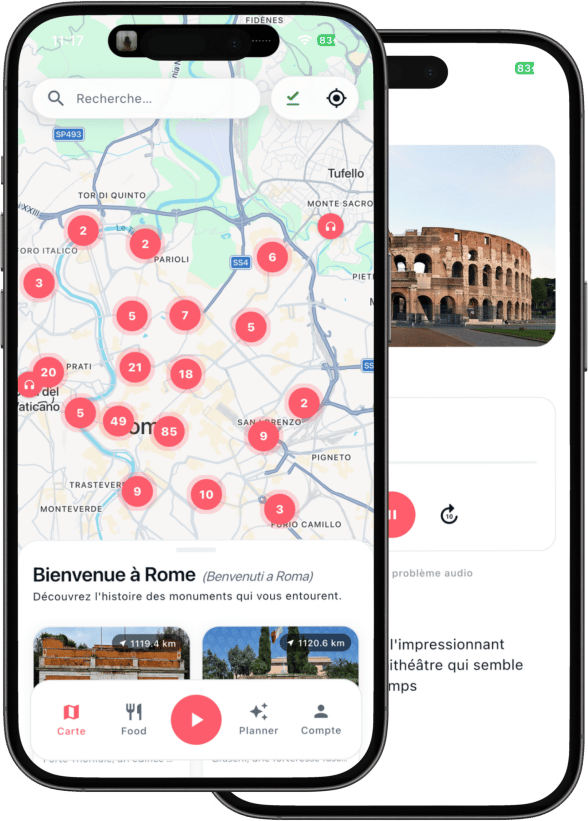
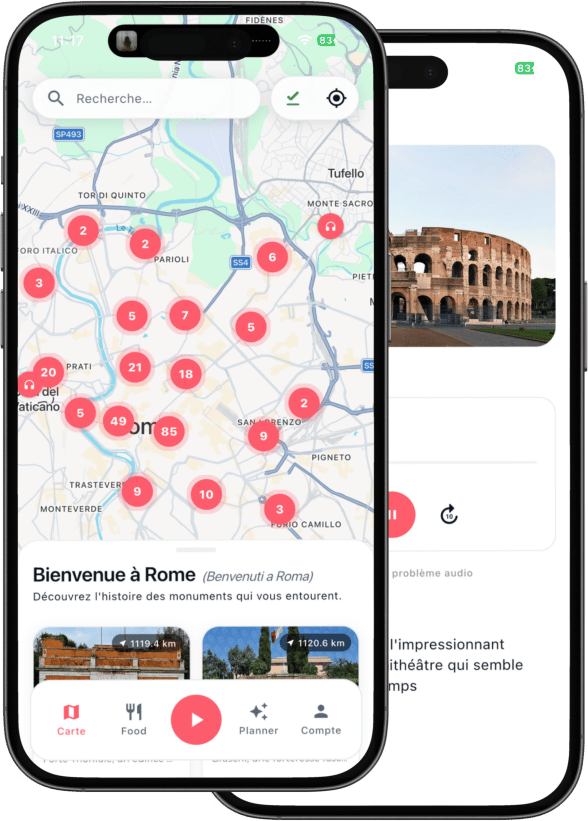
The CityGuide Mexico City audio guide starts by itself in front of every stop on your itinerary.
Full audio guide
$21.90 $39.90
★ 4.8/5 · 15 reviews
30-day money-back guarantee
When to Visit Mexico City
The city experiences distinct dry and rainy seasons that dictate packing and daily schedules.
These months offer the most reliable weather, with clear skies and mild temperatures. This period is ideal for walking the Avenue of the Dead at Teotihuacan without the interruption of heavy rain.
By late winter and early spring, the city's jacaranda trees bloom, lining major avenues and parks with purple flowers. This coincides with the later part of the dry season.
Summer brings daily precipitation, typically materializing as heavy afternoon or evening storms. Plan outdoor activities like riding the flat-bottomed trajineras in Xochimilco for the morning.
Day of the Dead occurs November 1-2, bringing specific public events. Later, massive crowds gather around the modern Basilica of Our Lady of Guadalupe leading up to December 12.
Anticipating Your Travel Costs
Understanding the main expense categories helps manage your finances in the capital.
Direct flights from major US hubs arrive at the Mexico City International Airport (AICM). Fares fluctuate based on the season, with late fall and winter holidays driving up demand.
Lodging costs vary sharply by neighborhood. Staying in the Art Deco districts of Roma and Condesa or the upscale Polanco area commands higher nightly rates than residential zones further from the center.
Eating tacos al pastor at street stalls keeps daily food expenses low. Dining at sit-down restaurants increases costs, and you should factor in the customary 10 to 15 percent tip.
The Metro and Metrobús networks charge very low flat fares. Relying entirely on ride-hailing apps for cross-city trips will increase your daily transport expenditure.
Navigating Mexico City Like a Local
Arriving at AICM
Ignore individuals offering rides in the arrivals hall. Walk to the authorized taxi counters to prepay for a cab, or connect to the Wi-Fi to request a vehicle through a ride-hailing app.
Public Transit
The Metro and Metrobús systems are extensive but become extremely crowded during morning and evening rush hours. Both networks feature designated cars reserved exclusively for women and children.
Water Hygiene
Tap water in the capital is not considered safe to drink. Rely entirely on bottled or filtered water, which is standard at hotels and sit-down restaurants.
Earthquake Alerts
The city runs a public earthquake early-warning system: an alert sounds from street loudspeakers, often before the shaking reaches the capital. If you hear it, stay calm, skip the elevators and move to a safe area as building staff indicate. Public drills are held periodically, so an alert is not always a real quake.
Tipping and Etiquette
Service is rarely included in the bill. At sit-down restaurants, 10 to 15 percent is standard; when you pay by card, the server usually asks how much tip to add on the terminal. Keep small bills for markets and street vendors.
What to Book in Advance
Securing tickets before you fly prevents getting turned away at the door.
-
Purchase timed-entry tickets for the Frida Kahlo Museum (Casa Azul) online; they often sell out days ahead.
-
Arrange early morning transport to Teotihuacan, located 50 kilometers northeast of the city, to beat the midday heat.
-
Buy tickets in advance to see the Ballet Folklórico de México perform at the Palacio de Bellas Artes.
-
Secure seats for a lucha libre wrestling match at Arena México, the primary venue for the sport.
-
Plan your itinerary around Monday closures; most major institutions, including the Museo Nacional de Antropología, shut their doors on Mondays.
Ways to Explore the City
Different tools exist to guide your walks around the capital.
Traditional Guidebooks
A printed book provides historical context for the Zócalo, but transit routes and entry requirements can become outdated shortly after publication.
Group Walking Tours
A guide leads a group through the historic center, offering commentary but enforcing a rigid schedule that prevents lingering at the Metropolitan Cathedral.
Location-Aware Audio Guides
The CityGuide app on your smartphone triggers audio commentary based on your GPS coordinates, allowing you to explore Chapultepec Park at your own pace while keeping your hands free.
— Questions fréquentes
Frequently Asked Questions
US citizens do not currently need a visa for short tourist stays. However, entry rules can change, so check official government sources before flying.
Check the current US State Department travel advisory for the latest guidance. Apply common-sense precautions, use authorized taxis or apps, and watch your belongings on the Metro.
Plan for at least four to five days. That leaves time to adjust to the altitude, see the historic center and Chapultepec, spend an afternoon in Coyoacán and take a day trip to the Teotihuacan pyramids.
No, the tap water is not safe for consumption. You must drink bottled or filtered water, which is readily available at stores and provided by hotels.
At roughly 2,240 meters (7,350 feet), the elevation is noticeable. You may experience mild shortness of breath during your first two days, so plan a lighter schedule initially.
The official name changed from Distrito Federal to Ciudad de México (CDMX) in 2016. However, many locals still refer to it as D.F.
— Pour aller plus loin
Ready to explore Mexico City?
CityGuide turns your phone into an audio guide that starts talking on its own at the Zócalo, the Cathedral and in Chapultepec Park. It works offline, so you do not depend on roaming data while you walk.
See the Mexico City audio guide