

— TRAVEL TIPS · BUDAPEST
Visit Budapest in 3 days: the itinerary for travellers who want to truly understand the city
Three days are just enough to take in both banks of the Danube and unwind in the city's historic thermal baths. However, you will need to be selective about indoor sights and book time slots well in advance for the Parliament and the baths.
By Sophie Dorval, Central Europe specialist · September 9, 2026 · 9 min read

Budapest spans 525 square kilometres, bisected by a 300-metre-wide river. The key to an efficient trip is dedicating each day to a specific side of the Danube: Buda, the historic hill to the west, and Pest, the bustling urban plain to the east. The tram network, particularly line 2 skirting the eastern riverbank, easily handles most of your longer journeys.
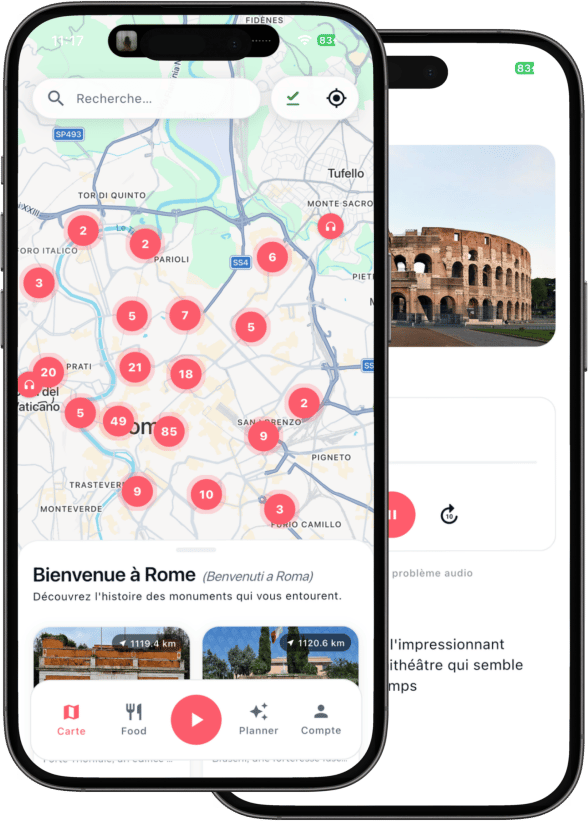
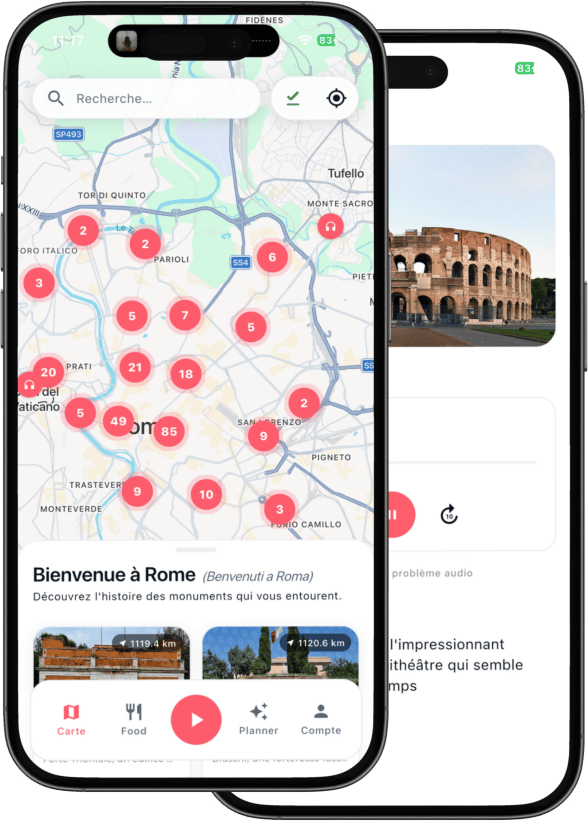
One tip before you go: to follow this itinerary independently — at your own pace, without booking a guided tour for every site — bring an audio guide app. You unlock the whole city at once, and the story of each monument starts playing as soon as you arrive in front of it. That's exactly what CityGuide offers in Budapest.
Here is a geographically streamlined plan designed to minimise backtracking and secure access to attractions with daily visitor caps.
Day 1
Buda: from royal palace to thermal waters
The right bank gathers historic royal power and the finest elevated vantage points.
Buda Castle has been destroyed and rebuilt six times since the 13th century. The outer courtyards are open 24 hours a day. Continue to Koller Gallery, the country's oldest private gallery, whose sculpture garden offers free panoramic views over Castle Hill.
The roof of Matthias Church features 150,000 glazed Zsolnay tiles. Access to the nave requires an entrance fee, as do the upper balconies of Fisherman's Bastion built in 1902, but the lower terraces remain free to explore.
The 1854 Citadel crowns Gellért Hill at an elevation of 235 metres. The walk up via the forest trails from Elisabeth Bridge requires decent walking shoes, but the pathways offer superb, free panoramic vistas of the city and the river, making up for the fortress's temporary closure for renovation.
Rudas Baths house an octagonal Turkish thermal pool dating back to 1550, built during Ottoman rule. On Fridays and Saturdays, they reopen for a late-night session, which requires booking your ticket online the day before.
Day 2
Monumental Pest and political power
The left bank reveals Neo-Gothic architecture and the grand Haussmannian urban design of Andrássy Avenue.
The Hungarian Parliament is a 268-metre-long masterpiece that houses the Holy Crown of Hungary. A guided tour is mandatory to see the interior, and tickets often sell out two weeks in advance on the official Jegymester website.
Sixty pairs of cast-iron shoes along the Danube, created by Gyula Pauer in 2005, commemorate the Jews executed by the Arrow Cross militiamen in 1944. It is a permanent public memorial, freely accessible on the Pest embankment.
The dome of St Stephen's Basilica stands at 96 metres, the exact same height as the Parliament, symbolising the balance between Church and State in 1896. Access to the nave now requires an admission ticket, with an extra charge to reach the panoramic terrace.
UNESCO-listed Andrássy Avenue leads straight towards the City Park, lined with ornate facades and historic theatres. The Hungarian State Opera House from 1884 offers daily guided tours that include a short mini-concert.
Walking through Pest's Jewish Quarter reveals a dense concentration of ruin bars set in derelict buildings abandoned prior to 2004. Szimpla Kert, the pioneer opened in 2002, manages entry at night, so expect queues on the pavement along Kazinczy Street.
Once you are there, let it guide you
The CityGuide Budapest audio guide starts by itself in front of every stop on your itinerary.
Full audio guide
$21.90 $39.90
★ 4.8/5 · 15 reviews
30-day money-back guarantee
Day 3
Jewish heritage, market halls, and Pest's baths
A diagonal route from the southern market hall to the vast northern park, ending in soothing thermal waters.
The Great Market Hall and Váci Street extend beneath an 1897 iron framework housing rows of paprika stalls on the ground floor. The market closes earlier on Saturday afternoons and remains closed on Sundays.
Dohány Street Synagogue seats 3,000 worshippers. The admission ticket includes access to the Jewish Museum and Imre Varga's metallic Tree of Life memorial, but the complex closes early on Fridays for Shabbat and remains shut all day Saturday.
Laid out for the 1896 Millennium Celebrations, Városliget—Budapest's grand city park—is home to Vajdahunyad Castle. Listen to the CityGuide audio track on the history of Heroes' Square before crossing the bridge over the free-to-admire boating lake.
Széchenyi Baths feature 15 indoor pools and 3 heated outdoor pools. Booking a private cabin online in advance will save you from dealing with crowded communal changing rooms at the end of the day.
6 practical tips for Budapest
- The BudapestGO app is essential for buying single tram and metro tickets, as paper tickets bought from drivers incur a surcharge.
- The Buda Castle Funicular, opened in 1870, is excluded from standard public transport passes; it requires a dedicated ticket bought at the Clark Ádám Square ticket office.
- In restaurants, a service charge is often automatically added to the bill; check for the 'szervízdíj' line before adding an extra tip.
- Metro Line 1 (M1), recognised by UNESCO, features very short platforms: stand near the middle of the platform, as trains consist of only three small carriages.
- Airport currency exchange desks charge steep commissions; withdraw your first Hungarian forints at an official bank ATM such as OTP or Erste in town.
- The Budapest Card only pays off if you plan to visit at least three paid museums and Lukács Baths; for an itinerary centred on walking and architecture, a 72-hour transit pass is plenty.
Architecture does not speak for itself
Strolling past the grand palaces of Andrássy Avenue or the facades of the Jewish Quarter will give you a sense of the city's sheer scale, but not its dramatic historical shifts. Without context, St Stephen's Basilica is simply an imposing church, and the 1956 bullet holes still scarring certain walls will go completely unnoticed.
That's where an audio guide app like CityGuide comes in: it detects where you are and plays the story of each place at just the right moment, while you walk from one stop to the next — hands and eyes free, even offline. So you can follow your itinerary without ever being left in the dark.
— Frequently Asked Questions
Frequently asked questions about Budapest
72 hours allow you to take in the architectural highlights of both Buda and Pest and relax in two thermal bath complexes. However, you will have to skip Óbuda—Budapest's lesser-known Roman quarter—and Memento Park on the outer edges of the city.
Your budget will depend on your activities. A single metro ticket or a pint of beer costs only a few hundred forints, while admission to Széchenyi Baths represents a more substantial expense, especially on weekends.
Trams 4 and 6 run 24/7 along the Grand Boulevard, while tram 2 traces the Danube along the Pest bank. A 72-hour pass covers the entire BKK urban transit network, including night buses.
September and October bring pleasant temperatures around 20 degrees Celsius, ideal for walking. January and February see temperatures drop below zero, but offer steaming outdoor pools and hotel rates cut in half.
The Hungarian Parliament sells out several days in advance, as do weekend late-night sessions at Rudas Baths. The State Opera House also requires online booking for its foreign-language guided tours.
District VII is the focal point of Budapest's nightlife. The Gozsdu Courtyard is lined with lively terraces open late into the night, while Kazinczy Street is home to iconic ruin bars tucked into early 20th-century residential courtyards.
— Go Further
Budapest on your phone
Our app guides you via GPS from Buda to Pest. Rich historical context, key figures, architectural insights, and the hidden details of monuments trigger automatically as you approach them.
See the Budapest audio guide