

— TRAVEL TIPS · SEVILLE
Visit Seville in 3 days: the itinerary for travellers who want to truly understand the city
Three days are just enough to take in the Mudéjar palaces, the Almohad legacy, and the grand avenues of the 1929 Ibero-American Exposition. However, this tight timeframe means you will have to skip the Roman ruins of Itálica outside the city walls.
By Sophie Dorval, Spain specialist · September 9, 2026 · 9 min read

Seville is unforgiving to those who improvise. Alcázar visitor caps have been strict since 2020, and queues for the Cathedral snake across Plaza Virgen de los Reyes from 9:30 am. The golden rule is straightforward: secure tickets for the major sights a month in advance, and plan your days in tight geographical clusters to avoid crossing the Guadalquivir River four times in a single day.
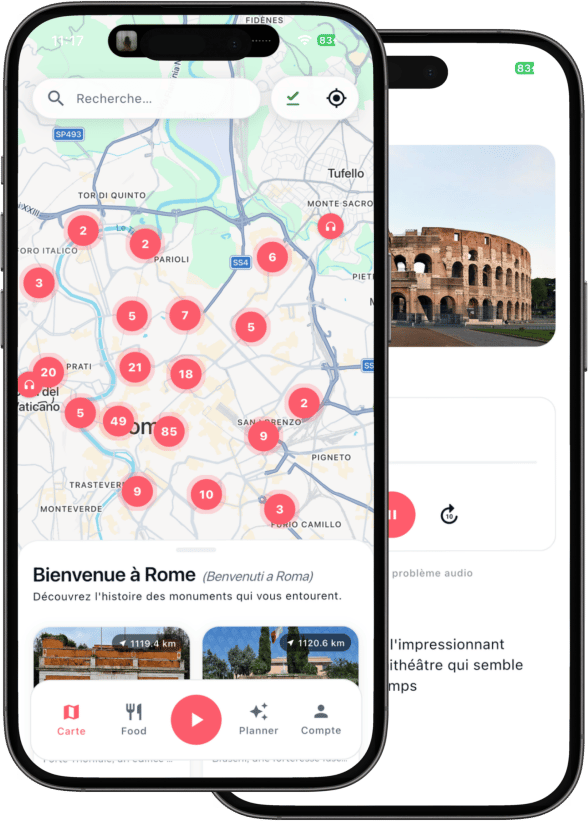
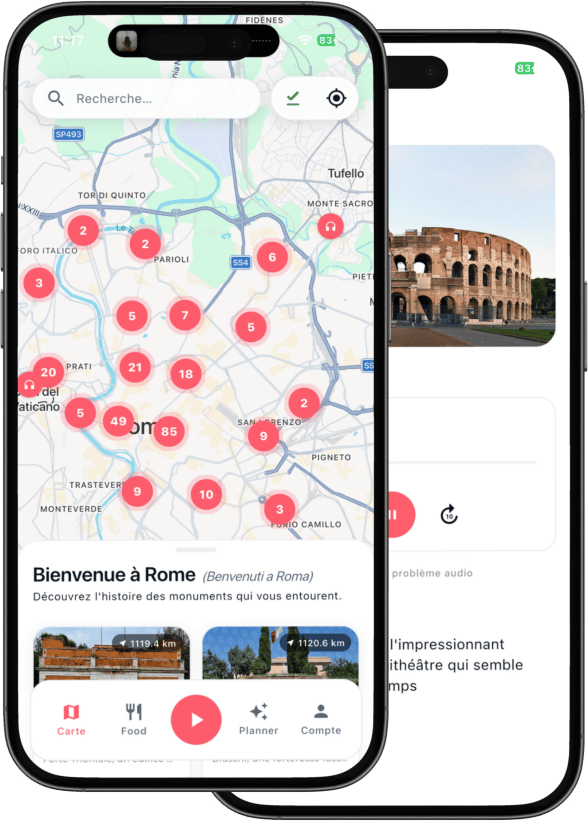
One tip before you go: to follow this itinerary independently — at your own pace, without booking a guided tour for every site — bring an audio guide app. You unlock the whole city at once, and the story of each monument starts playing as soon as you arrive in front of it. That's exactly what CityGuide offers in Seville.
Here is a neighbourhood-by-neighbourhood battle plan designed to keep walking under the Andalusian sun to a minimum.
Day 1
The historic centre: from the Cathedral to the Alcázar
The monumental core that has concentrated religious and royal power since the Reconquista.
The Cathedral and the Giralda will take up your first two hours. This minaret-turned-bell-tower reaches 104 metres; you reach the top not via stairs, but along 35 inclined ramps built so the muezzin could ascend on horseback. The combined ticket must be purchased online in advance.
The Santa Cruz neighbourhood unfolds right behind. A former judería until the pogroms of 1391, its alleyways—such as Calle Agua—were laid out just narrow enough to keep the building facades in perpetual shade. Access to the interior squares is completely free.
For lunch, steer clear of the terraces facing the monuments. Bodega Santa Cruz on Calle Rodrigo Caro has been dishing up montaditos de pringá for decades. The waiters still chalk up your bill directly onto the wooden bar counter.
The Real Alcázar requires a timed-entry reservation. The Palace of Peter I, the crown jewel of the complex, was built in 1364 by Muslim craftsmen brought in from Granada. Allow two full hours to take in the buildings and the seven hectares of gardens.
Take in Seville at sunset, looking across the river, from the Isabel II Bridge. This wrought-iron bridge, completed in 1852, links the city centre to Triana. You can walk down to the cobbled waterfront of Calle Betis to sit free of charge opposite the Torre del Oro.
Day 2
Plaza de España and the María Luisa Park
The southern expansion of the city, shaped by the architectural exuberance of the early 20th century.
Plaza de España sweeps out across 50,000 square metres in a vast semicircle. Architect Aníbal González designed the ensemble for the 1929 Ibero-American Exposition. Its 48 tiled alcoves represent the Spanish provinces in alphabetical order, and access is free 24/7.
María Luisa Park extends directly from the square. This land was donated to the city in 1893 by Infanta María Luisa Fernanda. Broad shaded avenues lead towards Plaza de América, flanked by three pavilions in contrasting architectural styles (Mudéjar, Gothic, and Renaissance).
Around the Fábrica de Tabacos, away from the tour groups, the university quarter offers plenty of affordable dining options. This massive 18th-century building employed 10,000 female cigar makers around 1880 before becoming the rectorate of the University of Seville. You can wander into the interior courtyards for free.
Casa de Pilatos is the quintessential Andalusian palace. Dating back to the 16th century, it houses 150 different azulejo tile patterns, making it the most extensive collection in Spain. General admission is 12 euros, but ground-floor access is free on Mondays from 3 pm to 7 pm for EU citizens.
Admire Seville from above atop Las Setas (Metropol Parasol). This 26-metre-high timber structure was completed in 2011 by architect Jürgen Mayer. Tickets for the elevated walkways can be bought in the basement; the line moves briskly even without advance bookings.
Once you are there, let it guide you
The CityGuide Seville audio guide starts by itself in front of every stop on your itinerary.
Full audio guide
$21.90 $39.90
★ 4.8/5 · 15 reviews
30-day money-back guarantee
Day 3
Triana and Macarena: the other side of Seville
The working-class quarters to the north and west, balancing deep-rooted religious devotion and centuries-old crafts.
Along the Almohad walls between Macarena and Córdoba, you can examine the city's historic military defences. These 12th-century ramparts are constructed from yellow rammed earth, a blend of mud and lime. You can view them free of charge from the pavement along Calle Macarena.
The basilicas and bell towers of the Macarena district set the rhythm of local daily life. The Basilica of La Macarena, erected in 1949, houses the Virgin of Hope, a 17th-century statue whose tears are crafted from glass. Entry to the church is free, though the adjacent treasury requires a paid ticket.
Markets and tapas showcase another side of Seville at Mercado de la Feria. Established in 1719, this is the oldest covered market in the city. La Cantina stall serves fried fish by weight—just bear in mind it is closed on Sundays.
Triana, the soul of the opposite riverbank, has been a hub of ceramic production since Roman times. The Centro Cerámica Triana showcases the historical kilns, though it is closed on Mondays. Fire up our audio guide here to delve into the Romani history of the corrales de vecinos, communal courtyards that are now privately owned.
Admire open-air facades, fountains, and stone sculptures at Plaza del Salvador. The terracotta-hued church towering over the square is the second-largest religious building in the city after the Cathedral. From 8 pm onwards, locals gather here on foot to sip cold Cruzcampo beer served in plastic cups.
6 practical tips for tackling the Andalusian capital
- The 'Seville City Pass' only pays off if you intend to use the hop-on hop-off bus; otherwise, purchase your tickets individually on the official portals (alcazarsevilla.org and catedraldesevilla.es).
- The EA bus line links San Pablo Airport with Santa Justa railway station and the city centre (Plaza de Armas) from 4:30 am to 12:15 am for 4 euros each way.
- Almost all public monuments are closed on Mondays, notably the Centro Cerámica Triana and the Museum of Fine Arts. Plan outdoor sightseeing for this day.
- Admission to the Cathedral is free from Monday to Friday between 2 pm and 3 pm, though online booking remains mandatory and carries a 1-euro booking fee.
- Bypass the restaurants with touts out front along Calle Mateos Gago. Look instead for bars displaying 'horario ininterrumpido' if you want to eat before 2 pm or 8:30 pm, when local kitchens traditionally open.
- A rechargeable Tussam transport card can be picked up at tobacconists (estancos), slashing single fare costs from 1.40 euros to 0.38 euros without transfers.
Sightseeing is not enough: learn to read the facades
Wandering between a Mudéjar palace and a Baroque church is one thing; grasping why one sits upon the foundations of a mosque while the other was funded by colonial gold from the Americas is quite another. Without this context, Seville remains little more than a postcard backdrop.
That's where an audio guide app like CityGuide comes in: it detects where you are and plays the story of each place at just the right moment, while you walk from one stop to the next — hands and eyes free, even offline. So you can follow your itinerary without ever being left in the dark.
— Frequently Asked Questions
Frequently asked questions about planning a trip to Seville
Yes, 72 hours allow you to take in the historic core, María Luisa Park, and Triana without rushing. You will have ample time to dedicate a full half-day to the Alcázar and its 7-hectare gardens, plus an evening wandering through Macarena.
Budget roughly 45 euros for key sight admissions (Alcázar 14.50 euros, Cathedral 12 euros, Casa de Pilatos 12 euros). A tapas dinner in the Arenal quarter generally runs between 15 and 20 euros per person if you stick to sharing plates (raciones).
The historic centre covers 390 hectares—the largest in Spain—and is best explored on foot. The tramway (MetroCentro) operates just one practical surface line (T1), which connects Plaza Nueva with San Bernardo.
February, March, and November. In July and August, temperatures frequently soar past 40 degrees Celsius in the shade, prompting outdoor terraces to shut down in the afternoon. Holy Week (Semana Santa) in April can easily triple hotel rates.
Yes for the Alcázar and the Cathedral, whose entry slots often sell out 15 days ahead in spring. Secondary sights such as Palacio de las Dueñas or the Torre del Oro can generally be purchased at the ticket desk on the day.
The Alameda de Hércules, with its Roman columns dating from 1574, is the focal point of local nightlife. Tapas bars along Calle Regina open their kitchens around 8:30 pm and stay buzzing right through until midnight.
— Go Further
The history of Seville straight to your headphones
Our CityGuide app turns your smartphone into a private tour guide. From tales of the Casa de Contratación to the hidden details of the Giralda, explore at your own pace with offline maps and historian-verified narratives.
See the Seville audio guide