

Travel Planning
How to Plan Your Trip to Athens
Navigating Greece's capital requires more than just booking a flight to Eleftherios Venizelos Airport; understanding the ticketing systems for archaeological sites, local payment habits, and upcoming entry requirements will determine how smoothly your visit goes.
Greece specialist · September 10, 2026 · 9 min read

Preparing for Athens starts with securing your entry documents. As an American citizen, your passport needs at least six months of validity beyond your planned departure date from the Schengen Area. Furthermore, the European Union is rolling out the ETIAS travel authorization system; you will need to check the official EU website to see if it has taken effect before your departure.
Your next priority is securing access to the major historical sites. The Hellenic Ministry of Culture now enforces timed-entry tickets for the Acropolis, which regularly sell out days in advance during the summer months. Booking directly through the official Hellenic Heritage e-ticket portal ensures you secure a time slot without paying third-party markups.
Finally, map out your ground transportation from Athens International Airport. The Metro Line 3 connects the airport directly to Syntagma and Monastiraki stations, but strikes can occasionally disrupt service. Having a backup plan, such as downloading the Free Now taxi app, ensures you will not be stranded upon arrival.
What to Sort Out Before Leaving
Passport and ETIAS Authorization
The Schengen Area enforces strict passport rules. Your US passport must have validity extending well beyond your return date. Additionally, the upcoming ETIAS requirement means visa-exempt travelers, including Americans, will need pre-approval to enter Greece. Check the official European Union website for the current status of this rollout.
Connectivity and eSIMs
Roaming with a US carrier in Greece often results in high daily charges. Purchasing a prepaid eSIM from providers like Airalo or Holafly before you leave allows you to connect to local networks like Cosmote or Vodafone the moment you land. Ensure your phone is unlocked by your US carrier prior to departure.
Power Adapters and Voltage
Greece operates on a 230V supply frequency of 50Hz, whereas the US uses 120V. You will need a Type C or Type F plug adapter for your chargers. Check that your electronics are dual-voltage; hair straighteners and blow dryers usually are not, meaning they will fry without a heavy step-down converter.
Choosing the Right Neighborhood
Where you stay dictates your daily logistics. Plaka and Anafiotika place you at the base of the Acropolis but are crowded with foot traffic. Koukaki offers residential streets and proximity to the Acropolis Museum, while Pangrati provides access to local bakeries and the Panathenaic Stadium without the heavy tourist density.
Booking Flights and Connections
Direct flights from the US to Athens International Airport depart primarily from East Coast hubs like JFK, Newark, and Atlanta via Delta, United, and Emirates. If you have a layover in another European city like Paris or Frankfurt, you will clear Schengen immigration there, not in Athens.
Once you are there, let it guide you
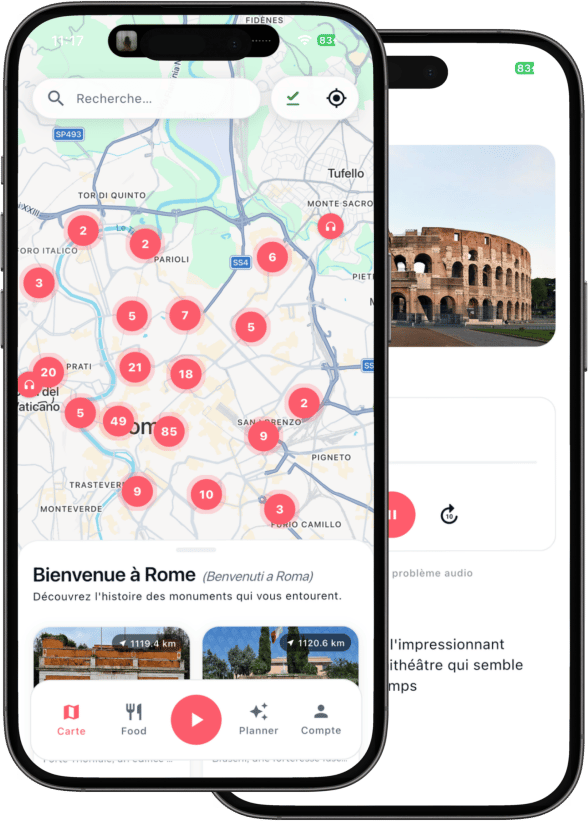
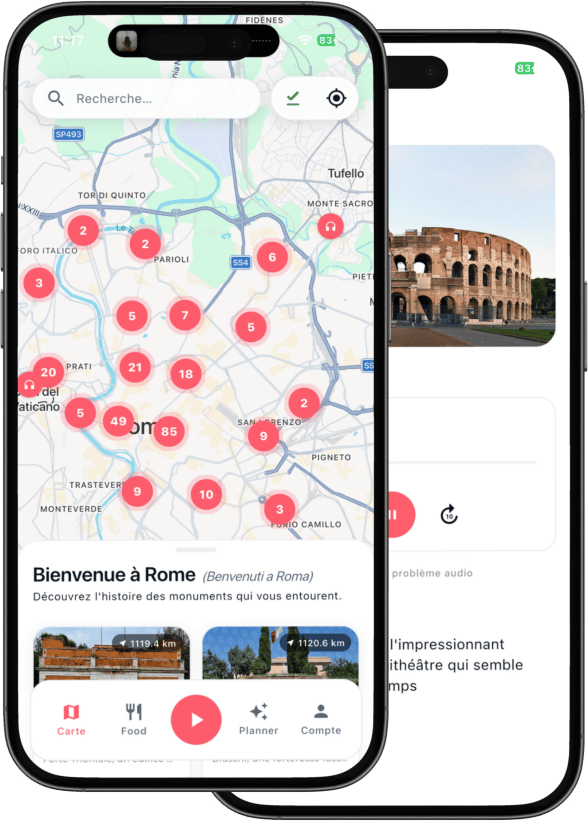
The CityGuide Athens audio guide starts by itself in front of every stop on your itinerary.
Full audio guide
$21.90 $39.90
★ 4.8/5 · 15 reviews
30-day money-back guarantee
When to Visit Athens
The Greek capital experiences intense seasonal shifts that affect both the availability of services and the comfort of exploring outdoor ruins.
Temperatures regularly exceed 90 degrees Fahrenheit, making mid-day visits to the unshaded Ancient Agora difficult. Hotel rates in Syntagma and Kolonaki peak, and ferries departing Piraeus for the islands operate at maximum capacity.
September retains summer heat, but by October, daytime temperatures drop to a comfortable range for walking up Philopappos Hill. Archaeological sites switch to their shorter winter operating hours starting November 1.
The city receives the majority of its annual rainfall. While coastal resorts close, Athens remains fully operational. Entry fees to state-run archaeological sites are reduced by half during these months.
Wildflowers bloom around the Temple of Olympian Zeus, and temperatures are mild. Easter week brings significant closures, including museums and public transport, as locals leave the city to celebrate.
Estimating Your Athens Budget
While generally more affordable than London or Paris, Athens requires careful allocation of funds, particularly regarding accommodation and dining.
Boutique hotels in Plaka command premium rates due to Acropolis views. Opting for apartments in Kypseli or Exarcheia significantly reduces lodging costs while providing access to neighborhood supermarkets like Sklavenitis.
Street food like souvlaki wrapped in pita remains a highly economical meal. Sit-down tavernas in Psyrri charge moderate prices for shared meze plates, while rooftop restaurants facing the Parthenon charge a steep premium for the location.
The Acropolis requires a specific timed ticket, but the Ministry of Culture also sells a combined multi-site ticket that covers the Roman Agora, Hadrian's Library, and Kerameikos, which is cost-effective if you plan to visit at least three of these sites.
The OASA public transit system operates on a flat-rate ticket valid for 90 minutes across buses, trams, and the Metro. A multi-day tourist ticket includes a round-trip airport transfer, which offsets the higher cost of the dedicated airport line.
Navigating Athens on the Ground
Cash and Cards
While the tap-to-pay system is prevalent in central Athens, carrying euros is necessary for small purchases at the Monastiraki flea market or tipping taxi drivers. Ensure your US credit card has no foreign transaction fees, and always decline dynamic currency conversion at ATMs, opting to be charged in euros.
Tipping Culture
Tipping in Greece is not the mandatory 20 percent expected in the US. In tavernas, leaving a few euros on the table or rounding up the bill is customary for good service. High-end restaurants may include a service charge, so check your receipt before adding extra.
Getting Around
The Athens Metro is clean and efficient, with signs in both Greek and English. For taxis, hailing one on the street can lead to unmetered fares; use the Free Now or Uber apps, which dispatch licensed yellow cabs and provide an upfront fare estimate.
Language and Communication
English is widely spoken in the hospitality sector and central neighborhoods. However, learning the Greek alphabet helps with reading street signs in areas like Metaxourgeio. A simple 'Yassas' (hello) and 'Efcharisto' (thank you) goes a long way with shop owners.
Water and Sanitation
Tap water in Athens is safe to drink, unlike on many Greek islands. You can carry a reusable bottle and ask for tap water at cafes instead of paying for bottled water. Note that older plumbing systems require you to dispose of toilet paper in the provided bin, not the bowl.
What to Book in Advance
Securing your reservations early prevents logistical headaches once you arrive in Greece.
-
Purchase your timed-entry Acropolis tickets via the official Hellenic Heritage website at least two weeks prior to your visit.
-
Reserve tables at popular rooftop restaurants in Monastiraki a month ahead if you want an unobstructed view of the Parthenon during dinner.
-
Book your airport transfer if your flight lands after midnight, as the Metro stops running and taxi queues can be extensive.
-
Secure your accommodation early if traveling during the peak summer months, particularly for hotels in the central Koukaki and Plaka districts.
-
Buy ferry tickets to the islands via platforms like Ferryhopper weeks in advance, especially if you need a cabin or are traveling on a high-speed SeaJets vessel.
Exploring the City's History
Navigating the complex layers of ancient, Roman, and modern Athens requires context.
Traditional Guidebooks
A printed book provides historical context and maps, but restaurant recommendations often become outdated quickly in fast-changing neighborhoods like Psyrri.
Group Walking Tours
Joining a guided group tour offers real-time answers from a local, though you must adhere to the group's pace and fixed schedule under the hot Athenian sun.
Location-Aware Audio Guides
An interactive audio app on your smartphone uses GPS to trigger historical commentary as you walk through the Ancient Agora, allowing you to explore at your own pace while keeping your hands free.
— Questions fréquentes
Frequently Asked Questions About Athens
US citizens do not currently need a visa for tourist stays up to 90 days. However, the ETIAS authorization system is scheduled to launch, which will require Americans to register online before entering the Schengen Area. Verify the rollout status before booking.
The Acropolis is open daily but closes on specific Greek public holidays, such as Easter Sunday and Labor Day. During the summer, heatwaves can prompt sudden mid-day closures by the Ministry of Culture.
No, Greece uses the euro. You cannot pay with dollars at restaurants or attractions. Withdraw euros from a local bank ATM using your US debit card to secure the best exchange rate.
Metro Line 3 runs directly from the airport to Syntagma Square. Alternatively, the X95 express bus operates 24 hours a day, terminating at the exact same square.
Most major museums, like the Acropolis Museum and the National Archaeological Museum, require paid entry. However, state-run sites offer free admission on specific days, such as the first Sunday of the month from November through March.
Athens is generally safe, with low rates of violent crime. The primary concern is pickpocketing on crowded public transit, particularly the Metro line running from the airport and around Monastiraki station.
— Pour aller plus loin
Ready to explore the ancient capital?
Download our location-aware audio guide to navigate the ruins of the Ancient Agora and the winding streets of Plaka at your own pace.
Get the Athens Audio Guide