

— TRAVEL TIPS · KRAKOW
Visit Krakow in 3 days: the itinerary for travellers who want to understand the city
Three days are just enough to cover the historic core, wander through the former Jewish quarter, and journey underground into the salt mines. However, this timeframe means leaving out the Auschwitz-Birkenau memorial if you want to avoid rushing from one site to another.
By Sophie Dorval, Central Europe specialist · September 9, 2026 · 9 min read

Krakow is divided into distinct urban pockets, rooted in an era when Kazimierz and Podgórze were independent towns. The golden rule is to group your sightseeing by neighbourhood so you can explore entirely on foot. Crucially, most state-run museums maintain strict visitor quotas introduced since the pandemic.
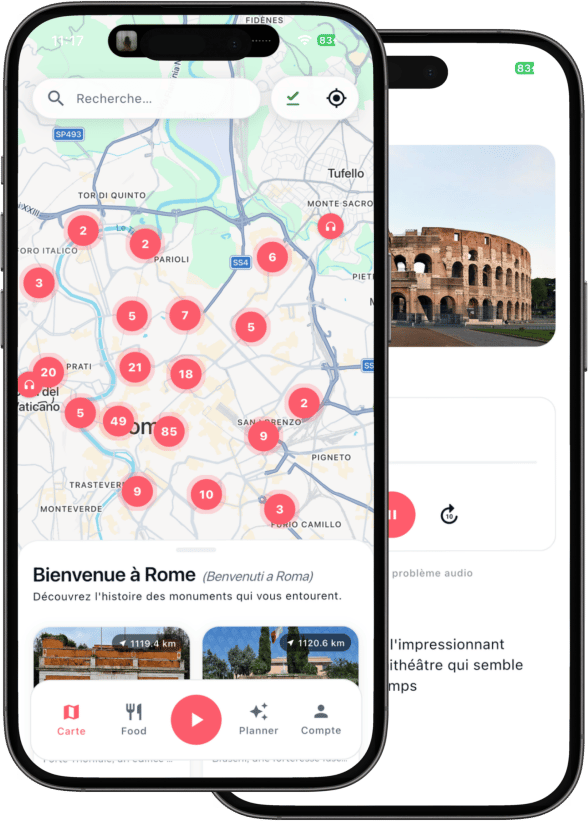
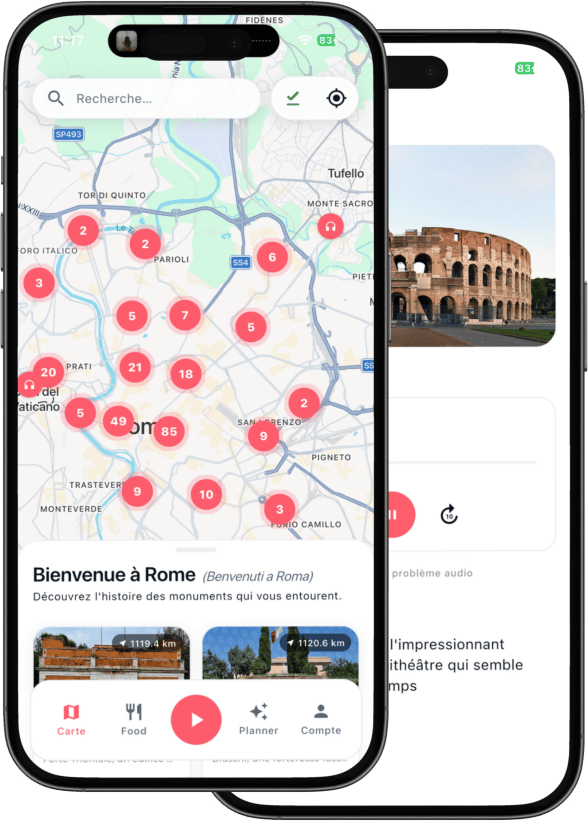
One tip before you go: to follow this itinerary independently — at your own pace, without booking a guided tour for every site — bring an audio guide app. You unlock the whole city at once, and the story of each monument starts playing as soon as you arrive in front of it. That's exactly what CityGuide offers in Krakow.
Book your tickets for Schindler's Factory, the salt mines, and the Wawel Royal State Rooms at least two weeks before departing.
Day 1
The Old Town and the Royal Hill
The medieval fortified perimeter, from St Florian's Gate to the tombs of Polish kings.
Start at Rynek Główny, Europe's largest medieval square, measuring 200 metres on each side. At its centre, the Cloth Hall (Sukiennice) houses souvenir stalls on the ground floor, but the 19th-century Polish art gallery upstairs is often overlooked, even though admission is free on Tuesdays.
Step inside St Mary's Basilica. The Veit Stoss altarpiece, carved from limewood in the 15th century, opens daily in the late morning. Purchase your admission ticket at the counter opposite the side entrance.
Stroll across the Planty, a green belt laid out in the 19th century along the footprint of the old defensive walls torn down by the Austrians. Stop for pierogi at a traditional milk bar (bar mleczny) such as Tomasza, where orders are taken directly at the counter.
Head up Wawel Hill. Access to the open courtyards is free, but entering the Royal State Rooms or the Crown Treasury requires a timed-entry ticket, which frequently sells out on the day. The cathedral houses the Sigismund Bell, cast in 1520, which weighs nearly 13 tonnes.
Day 2
Jewish heritage and the ghetto
The Kazimierz district, founded in the 14th century, and the Podgórze area across the Vistula River.
Explore Kazimierz, starting on Szeroka Street, framed by the Old Synagogue. Entry to the Remuh Synagogue gives access to its Renaissance cemetery, which is closed on Saturdays for Shabbat.
Head to Plac Nowy. The circular central building, the Okrąglak, houses hatches serving zapiekanki—toasted open-faced baguettes topped with mushrooms and melted cheese.
Cross the Vistula via the Bernatek footbridge into Podgórze. On Ghetto Heroes Square, dozens of bronze chairs stand as a tribute to the furniture left behind by residents during the deportations of 1942 and 1943. Listen to the audio guide's commentary to understand the layout of this enclosed sector.
Walk to Oskar Schindler's Enamel Factory on Lipowa Street. This is not a museum devoted to the factory itself, but rather a chronological exhibition tracing Krakow under Nazi occupation between 1939 and 1945. Online booking is compulsory as visitor numbers are strictly capped.
Once you are there, let it guide you
The CityGuide Krakow audio guide starts by itself in front of every stop on your itinerary.
Full audio guide
$21.90 $39.90
★ 4.8/5 · 15 reviews
30-day money-back guarantee
Day 3
Into the depths of the earth
A descent into salt galleries worked since the 13th century, located on the city's outskirts.
Catch a suburban train operated by Koleje Małopolskie from Kraków Główny central station to Wieliczka Rynek-Kopalnia. The journey is direct and very affordable.
Head down into the Wieliczka Salt Mine. The classic Tourist Route requires walking down several hundred wooden steps in succession to reach the first level, 64 metres below ground. The temperature remains cool year-round, so bring a jacket.
The Chapel of St Kinga, carved entirely out of rock salt 101 metres underground, concludes the first part of the tour. The subterranean complex features its own restaurant where you can eat before riding back up in the original miners' lift.
Back in central Krakow, wrap up your trip at the Collegium Maius, the oldest building of the Jagiellonian University, dating back to the 14th century. Nicolaus Copernicus studied here; the courtyard clock features an automated parade of wooden figures at set hours.
6 practical tips for Krakow
- Public transport tickets are purchased from machines inside trams, but be aware that most only accept contactless bank cards or exact change.
- Mondays are the weekly closing day for most state museums, including Schindler's Factory and the Wawel Castle interiors.
- Currency exchange booths (Kantor) along Floriańska Street take substantial commissions; favour those on Sławkowska Street instead, or use a fee-free debit card.
- To tour the Wieliczka Salt Mine in French, you must book the classic Tourist Route, as the alternative Miners' Route is only offered in Polish and English.
- Entry to the former Płaszów camp site is free and open at all times, as the area is now an unfenced public park, unlike Auschwitz.
- Don't look for an underground metro—Krakow has none. The transit network relies on extensive tram lines that run from early morning until late at night.
Historical context changes everything
Wandering through the streets of Kazimierz or crossing the Main Market Square without grasping the city's historical layers means missing the heart of the experience. Commemorative plaques and silent façades require insight to unlock Poland's complex, layered past.
That's where an audio guide app like CityGuide comes in: it detects where you are and plays the story of each place at just the right moment, while you walk from one stop to the next — hands and eyes free, even offline. So you can follow your itinerary without ever being left in the dark.
— Frequently Asked Questions
Frequently asked questions about visiting Krakow
Yes, for the city itself and an excursion to the Wieliczka Salt Mine. If you wish to include the Auschwitz-Birkenau memorial, you will need to add a fourth day, as the visit takes up a good half-day of your schedule.
A meal at a traditional milk bar costs only a few euros, while standard sit-down restaurants charge slightly higher, yet very reasonable prices. Entry tickets to major museums will run you a few dozen zlotys each.
The SKA1 regional train connects Balice Airport with Kraków Główny central station with frequent departures. Tickets can be bought directly from the conductor or from machines on the platform.
May, June, and September offer mild, pleasant temperatures that are ideal for walking. In winter, temperatures regularly drop below freezing, and smog from domestic coal heating can be dense in January.
Advance booking is essential for Schindler's Factory, the Wieliczka Salt Mine, and the Wawel State Rooms, where slots frequently sell out days ahead. Churches and synagogues generally take entry fees on arrival in cash.
Nightlife revolves around the Kazimierz district, especially along Estery and Józefa streets. Alchemia, with its candlelit ambience and antique wooden furniture, is a local institution where a pint of local beer remains very affordable.
— Go Further
Don't miss out on the history
Our CityGuide app for Krakow takes you off the beaten path with well-researched commentary on architecture, the Second World War, and daily life under communism.
See the Krakow audio guide