

— TRAVEL TIPS · AMSTERDAM
Visit Amsterdam in 3 days
Three days are just right for exploring the historic centre, the Museum Quarter, and heading across the IJ to the northern waterfront. However, it is simply too short to squeeze in the Keukenhof tulip fields or the windmills of Zaanse Schans without short-changing the city itself.
By Sophie Dorval, Netherlands specialist · September 9, 2026 · 9 min read
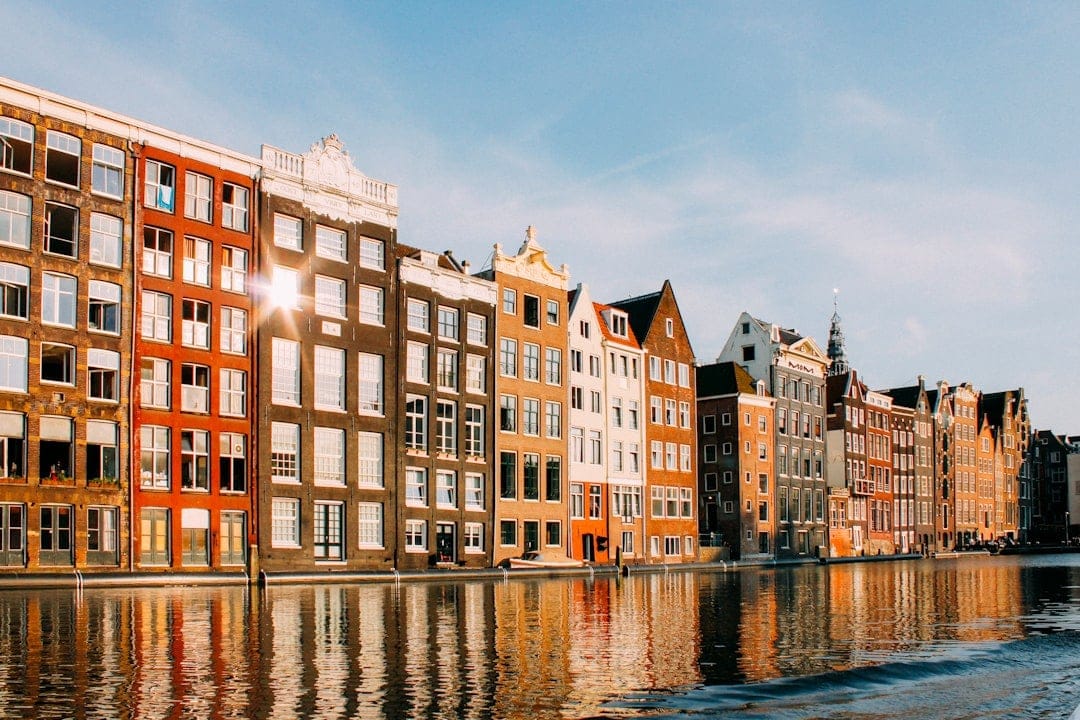
The classic mistake is criss-crossing between the Rijksmuseum in the south and Centraal Station in the north several times a day. Amsterdam is compact, but its canal bridges slow walking to a crawl. The smartest approach is to split the city into three distinct zones: the medieval core and central canal belt on day one, the Museum Quarter and De Pijp on day two, and the industrial north paired with the Jordaan on day three.
One tip before you go: to follow this itinerary independently — at your own pace, without booking a guided tour for every site — bring an audio guide app. You unlock the whole city at once, and the story of each monument starts playing as soon as you arrive in front of it. That's exactly what CityGuide offers in Amsterdam.
The national museums and the Anne Frank House require advance online bookings weeks ahead; do not expect to buy tickets on the day.
Day 1
Historic Centre and the Canal Ring
Exploring the medieval origins of Amsterdam and its 17th-century golden age expansion.
Start at Dam Square and the Royal Palace. The palace was built in 1648 atop 13,659 wooden pilings to stop it sinking into the marshy soil. Admission is charged, but under-18s go free.
Head towards the Oude Kerk (Old Church) in the De Wallen district. Consecrated in 1306, it is the city's oldest standing building. The floor consists entirely of 2,500 gravestones; you will need a ticket to enter.
Step into the Begijnhof, an enclosed medieval courtyard founded in the 14th century. Access to the courtyard is free, though it shuts in the late afternoon. It is home to the Houten Huis, dating from 1528 and one of only two preserved timber houses in the city.
Wander through the 17th-century Canal Ring. Pull up your audio guide app to decode the bell and step gables of the House Bartolotti without keeping your nose buried in a paper guidebook.
Stay around the Spui for dinner. The square is surrounded by historic 17th-century 'brown cafés' such as Café Hoppe, serving drinks since 1670. No reservations are needed to drop in for a local draft beer.
Day 2
Museumplein, Vondelpark, and De Pijp
A day devoted to Dutch masters, southern green spaces, and vibrant street markets.
Arrive at the Rijksmuseum as soon as the doors open. The collection holds over 8,000 objects, including Rembrandt's The Night Watch—which was trimmed down in 1715 just to squeeze through a doorway. An entry time slot is mandatory and must be booked online.
Walk across Museumplein to the Van Gogh Museum, which houses 200 paintings and 500 drawings by the artist. Tickets frequently sell out two weeks in advance, and there is no on-site ticket desk.
Stroll through the Vondelpark, a 47-hectare park landscaped in the English garden style in 1865. Admission is free through multiple gates. Inside, casual pavilions sell pickled herring and Dutch fries for a quick bite on the go.
Head into De Pijp to explore the Albert Cuyp Market. Its 260 stalls trade from Monday to Saturday until late afternoon, staying closed on Sundays. Fresh, warm stroopwafels are usually paid for by card.
Wind down in Sarphatipark, a 19th-century park named after doctor and urban planner Samuel Sarphati. Kitchens along the nearby Ferdinand Bolstraat tend to close fairly early in the evening, so plan to dine ahead.
Once you are there, let it guide you
The CityGuide Amsterdam audio guide starts by itself in front of every stop on your itinerary.
Full audio guide
$21.90 $39.90
★ 4.8/5 · 15 reviews
30-day money-back guarantee
Day 3
Amsterdam-Noord and the Jordaan
A study in contrasts: raw industrial docklands in the north and historic working-class courtyards.
Catch the free F4 ferry from behind Centraal Station. The boat takes you straight to the NDSM wharf, a former shipyard repurposed into open artist studios and creative spaces.
Take in the waterfront panoramas along the IJ river. The open terrace at the Eye Filmmuseum offers expansive water views without requiring an exhibition ticket. The striking structure, opened in 2012, is clad entirely in aluminium panels.
Head back across the water to the Jordaan to wander its quiet lanes, bridges, and inner courtyards. This 17th-century working-class quarter conceals peaceful hofjes (almshouses). Most are private residences, identifiable only by carved stone plaques above their doorways.
Pass by the Westerkerk, whose 85-metre spire is the tallest in the city. Just beside it stands the Anne Frank House; tickets are released online on a rolling schedule for the weeks ahead.
Watch the illuminated bridges along the canal belt come alive. The viewpoint overlooking the 15 arches connecting Reguliersgracht and Herengracht lights up after dark. Tour boats wrap up their routes late in the evening, leaving the water dead calm.
6 practical tips for Amsterdam
- The 1- to 7-day GVB transit pass covers all blue-and-white trams, buses, and metros, but excludes the national NS trains running to Schiphol Airport.
- Albert Heijn supermarkets frequently decline foreign Visa and Mastercard credit cards; keep cash or a Maestro debit card handy.
- Bicycles always have the right of way. Never walk along the reddish-brown cycle paths, or you risk an immediate collision with local commuters.
- The I Amsterdam City Card covers 24-hour bike rental and entry to the Rijksmuseum, but the Anne Frank House and the Van Gogh Museum are not included.
- The floating flower market (Bloemenmarkt) sells mostly imported bulbs. For fresh local cut flowers, look for neighbourhood florists, which are usually closed on Sundays.
- The GVB ferries crossing the IJ river to Amsterdam-Noord leave from behind Amsterdam Centraal station and are completely free around the clock.
Understanding what you're looking at
A well-planned itinerary puts you outside the right façades at the right time, but it won't explain why the canal houses tilt forward or how the Dutch East India Company funded these waterways.
That's where an audio guide app like CityGuide comes in: it detects where you are and plays the story of each place at just the right moment, while you walk from one stop to the next — hands and eyes free, even offline. So you can follow your itinerary without ever being left in the dark.
— Frequently Asked Questions
Frequently asked questions
Yes, 72 hours are plenty to cover the city centre, the Museum Quarter (Oud-Zuid), and the northern waterfront (Noord). It leaves adequate time to take in two world-class museums, ride the free ferries, and explore the neighbourhoods on foot without rushing.
Expect to pay a substantial nightly rate for central hotels around the Jordaan or De Pijp. Major museum tickets cost a few tens of euros each, and a main course at an eetcafé will set you back a few tens of euros before drinks.
Direct NS trains link the airport to Amsterdam Centraal station in a matter of minutes for a few euros. The service runs from very early in the morning until late at night, making taxis unnecessary.
April guarantees blooming tulips at Keukenhof, though it draws peak crowds. Late September offers comfortable temperatures around 15°C and fewer visitors, making entry to major national museums far less competitive.
It is an absolute requirement. Both the Van Gogh Museum and the Anne Frank House sell out weeks ahead. The Rijksmuseum also requires visitors to book a specific entry time slot online before arrival.
Museums generally close in the late afternoon. Evenings revolve around the brown cafés of the Jordaan, which stay lively until late on weekdays. De Wallen also remains bustling with crowds throughout the night.
— Go Further
Amsterdam in your pocket
The CityGuide app offers self-guided audio walks written by local historians. Stories trigger automatically as you approach landmarks along the canal ring or tucked away in the Jordaan's hidden courtyards.
See the Amsterdam audio guide