

— TRAVEL TIPS · AMSTERDAM
How to visit Amsterdam without a guide (and miss nothing)?
You want to explore Amsterdam on your own terms, at your own pace, without paying for a guided tour or shuffling along in a group. Good news: not only is it possible, it's often the most beautiful way to discover the Venice of the North — with one condition.
Sophie Dorval, Netherlands specialist · June 23, 2026 · 8 min read
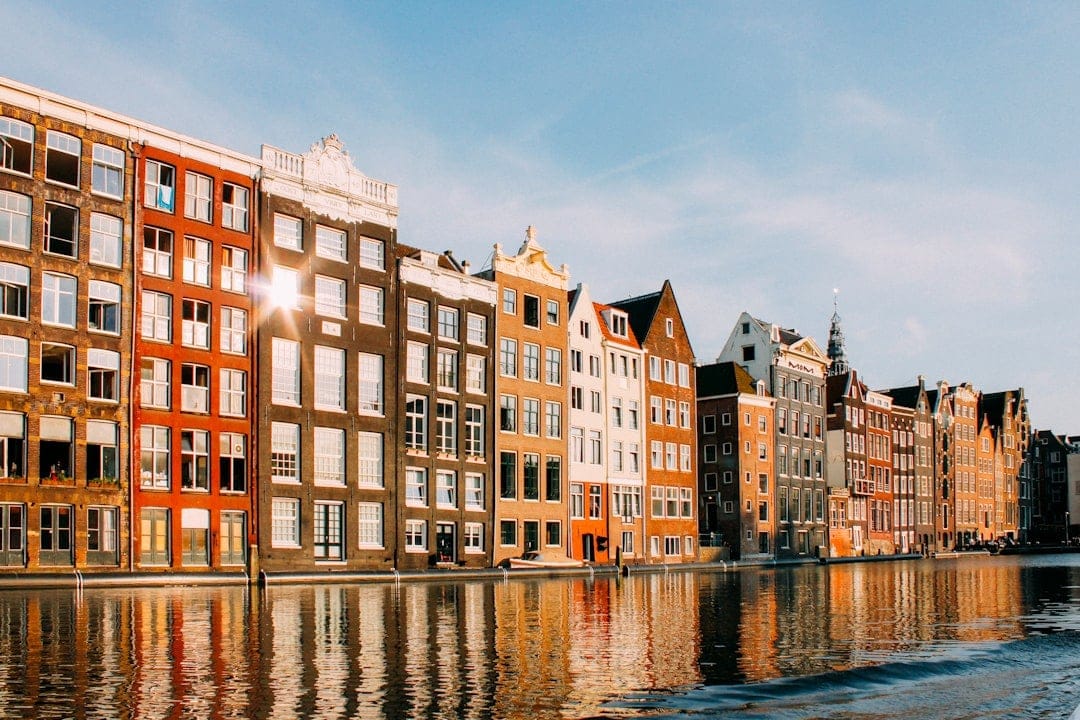
Let's settle it right away: yes, you can absolutely visit Amsterdam without a guide. Millions of travelers do it every year, and they gain something no organized tour offers — total freedom. Your itinerary. Your pace. Your budget. The right to linger an hour on a bridge over a canal, or slip off for a coffee whenever the mood strikes.
The only mistake to avoid is setting off completely blind. Because Amsterdam, with no context at all, can quickly boil down to very pretty facades whose story you never grasp. And that would be a shame: it's precisely that story that turns a stroll into a journey.
The right approach fits in one sentence: stay free, but don't stay clueless. Here's how.
What no one tells you about Amsterdam "with nothing"
Standing before the canal belt, an unprepared traveler sees… pretty houses by the water. It's the classic trap, and travelers say it themselves: "you wander along the canals without really understanding what you're looking at."
There's a reason for that: these 17th-century canals, listed by UNESCO, were dug during the Dutch Golden Age, when Amsterdam was the richest city in the world. The narrow, leaning, gable-topped houses each tell a story of trade, taxes, and engineering on wooden piles. Without a key to read them, you walk right past 400 years of history without seeing it. Signs on site are rare, often in Dutch, and never tell the anecdotes that bring a place to life.
Visiting without a guide isn't "visiting with nothing," then. It's giving yourself the right tools to understand — while keeping your freedom.
Amsterdam's must-sees (and why you need to understand them)
Here are the places not to miss. But remember one thing: in front of each, what changes everything isn't seeing it — it's knowing what you're looking at.
The Rijksmuseum
From afar, just another big museum. Inside: Rembrandt's "The Night Watch" and the entire Dutch Golden Age gathered under one roof.
The Van Gogh Museum
The largest collection of the painter in the world. Without context, you drift through the rooms; with the story, you follow a whole life right up to his final canvases.
The Anne Frank House
A discreet facade on the Prinsengracht. Behind it, the secret annex where a teenager wrote the most-read diary in the world, hidden for two years.
The canal belt
Listed by UNESCO. Dug in the 17th century to make Amsterdam a trading capital — every leaning house hides a very concrete reason.
The Jordaan
The neighborhood where Amsterdam truly lives: lanes, hidden courtyards (hofjes), brown cafés, and markets, far from the crowds of the center.
Vondelpark
The city's green lung. More than a park: a meeting spot for Amsterdammers, laid out in the 19th century in the spirit of English gardens.
Dam Square
Amsterdam's historic heart, with the Royal Palace. Under your feet lies the old dam on the Amstel river that gave the city its name.
The Begijnhof (Beguinage)
A silent courtyard hidden in the very center. Founded in the Middle Ages for pious women, it shelters the city's oldest wooden house.
And these are only the best-known ones: Amsterdam has hundreds of places worth stopping for, from overlooked neighborhoods to hidden gems.
How to visit Amsterdam without a guide, in practice
1. Organize your must-sees by neighborhood
You now know the major must-sees. Spot them on a map and group them by area so you don't zigzag: the Museum Quarter with the Rijksmuseum, the Van Gogh, and Vondelpark; the Anne Frank House with the Jordaan and the canal belt; Dam Square and the Begijnhof in the historic heart. And leave room for the unexpected — in Amsterdam, it's often the unplanned bridges and lanes that stay with you most.
2. Give yourself the means to understand what you see
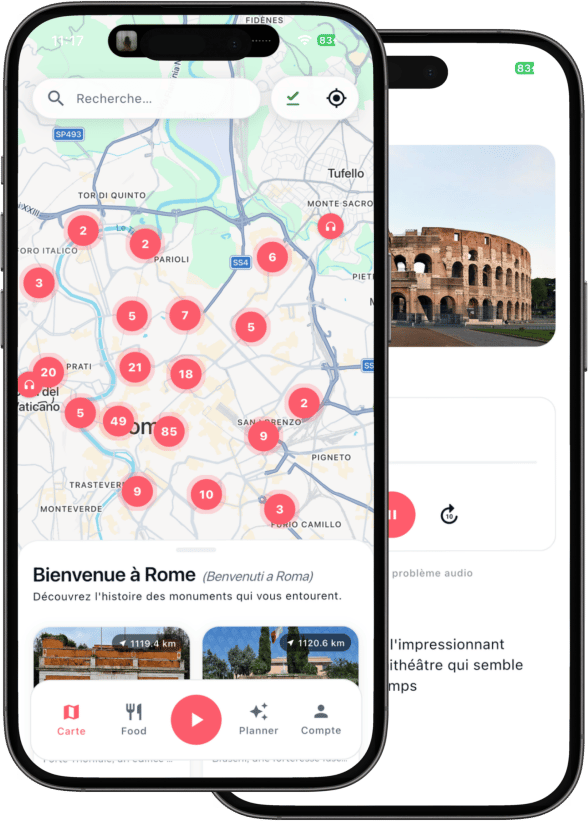
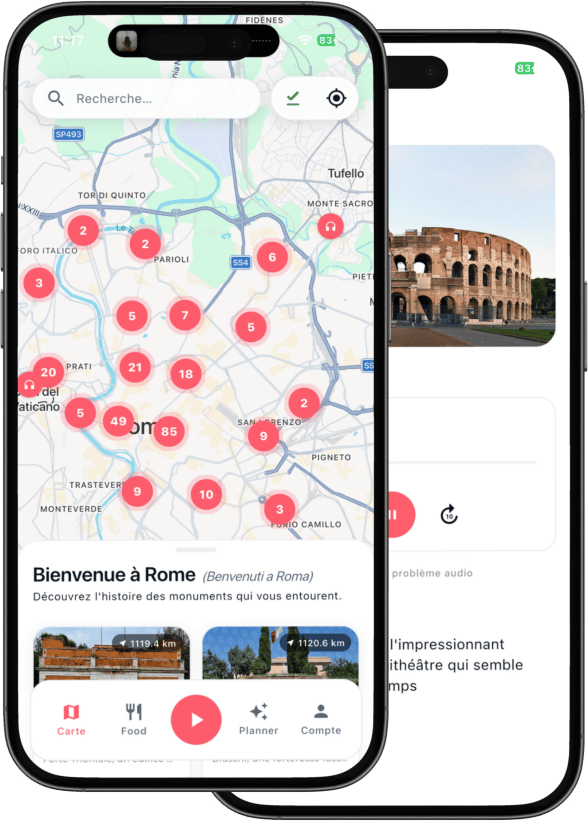
This is the step most people skip — and the one that makes all the difference. You have several options: a paper guide (effective, but you read it head-down, hands full), a DIY prep (notes, videos), or the solution independent travelers have adopted in recent years: the geolocated audio guide, which detects where you are and starts the story of a place at the exact moment you arrive — hands and eyes free, across Amsterdam.
3. Pick the right moment and dodge the traps
Book your tickets for the Anne Frank House and the Van Gogh Museum well in advance (online, with a mandatory time slot), arrive early at the big sites before the groups, watch out for the bike lanes — in Amsterdam, the bicycle is king and won't stop for you — and favor spring (for the tulips) or autumn. With that, you'll visit Amsterdam more freely — and often better — than with any guided tour.
Paper guide, mobile app, or audio guide: which to choose?
On paper, all three are equal. On the streets of Amsterdam, the experience is very different.
The paper guide
Thorough, but you read it standing by a canal, head down, hands full. You look down at the pages instead of at the city — and you forget it the same evening.
The "classic" audio app
It forces a fixed route to follow in order. Common result: you end up disoriented between two canals that look alike, backtrack, and feel like you've missed half of it.
The geolocated audio guide
The story triggers on its own wherever you are: impossible to get lost or miss the order. And it's not a robot — a real story, with the anecdotes and secrets no sign tells you. You look up at Amsterdam, not at a screen, even offline. That's the CityGuide approach.
A typical day in Amsterdam without a guide
An example itinerary on foot or by bike, to adapt to your mood — each stop tells its own story if you have an audio guide that triggers as you walk.
Museum Quarter: the Rijksmuseum, then the Van Gogh Museum. This is where the Golden Age and the great masters come back to life. Arrive early with tickets booked to skip the lines.
Lunch in the Jordaan, the liveliest neighborhood in Amsterdam. Look for the brown cafés and canalside terraces, away from the most touristy squares.
The Anne Frank House (booked time slot), then a stroll along the canal belt to Dam Square and the Begijnhof. You walk as the mood takes you — every bridge has its story.
Sunset in Vondelpark or on a bridge in the Nine Little Streets, with a view over the water. The last anecdote of the day before drinks.
— Questions fréquentes
Visiting Amsterdam without a guide: your questions
Yes, absolutely. Millions of travelers visit Amsterdam independently every year. You gain total freedom — your itinerary, your pace, your budget. The only thing to anticipate: have a bit of context to understand what you're looking at, otherwise the canals and facades stay silent.
Not necessarily. A good audio guide like CityGuide downloads before you leave and then works 100% offline — without touching your data plan or paying roaming in the Netherlands. GPS is enough.
That's the difference with a geolocated audio guide: instead of forcing a fixed route to follow in order, it detects where you are and starts the right story in the right place. You walk however you like along the canals, you can't miss the order or end up disoriented.
Not if you equip yourself a little. A well-made audio guide tells you the stories and anecdotes a guide would give — except you keep it forever and replay it whenever you want. You gain the freedom on top.
The Rijksmuseum, the Van Gogh Museum, the Anne Frank House, the UNESCO-listed canal belt, the Jordaan neighborhood, Vondelpark, Dam Square, and the Begijnhof. But Amsterdam is also lived in its bridges, hidden courtyards, and overlooked neighborhoods.
Spring (April-May), for the tulips and mild weather, and autumn (September-October): pleasant weather, thinner crowds, and lower prices than in high summer. And whatever the season, book the Anne Frank House and the Van Gogh in advance, and arrive early at the big sites.
— Pour aller plus loin
The audio guide that tells you Amsterdam as you walk
CityGuide turns your phone into a personal audio guide: you walk, and the instant you arrive in front of a monument or beside a canal, a voice starts — a real story, with the anecdotes and secrets no sign tells you. And it's not just an audio guide: ready-made walks to follow, the best spots to eat like a local, an itinerary planner. Hundreds of places in Amsterdam, even offline — everything you need to explore the city from A to Z, without ever staying clueless.
Discover the Amsterdam audio guide