

— TRAVEL TIPS · AMSTERDAM
Things to do in Amsterdam: the highlights and the right pace
Amsterdam too often gets reduced to three museums and a boat ride. Which is a shame, because the substance lies elsewhere: in a ring of canals laid out in the seventeenth century as a piece of town planning, and in districts that begin three streets past the crowd.
Sophie Dorval, Netherlands specialist · September 5, 2026 · 9 min read
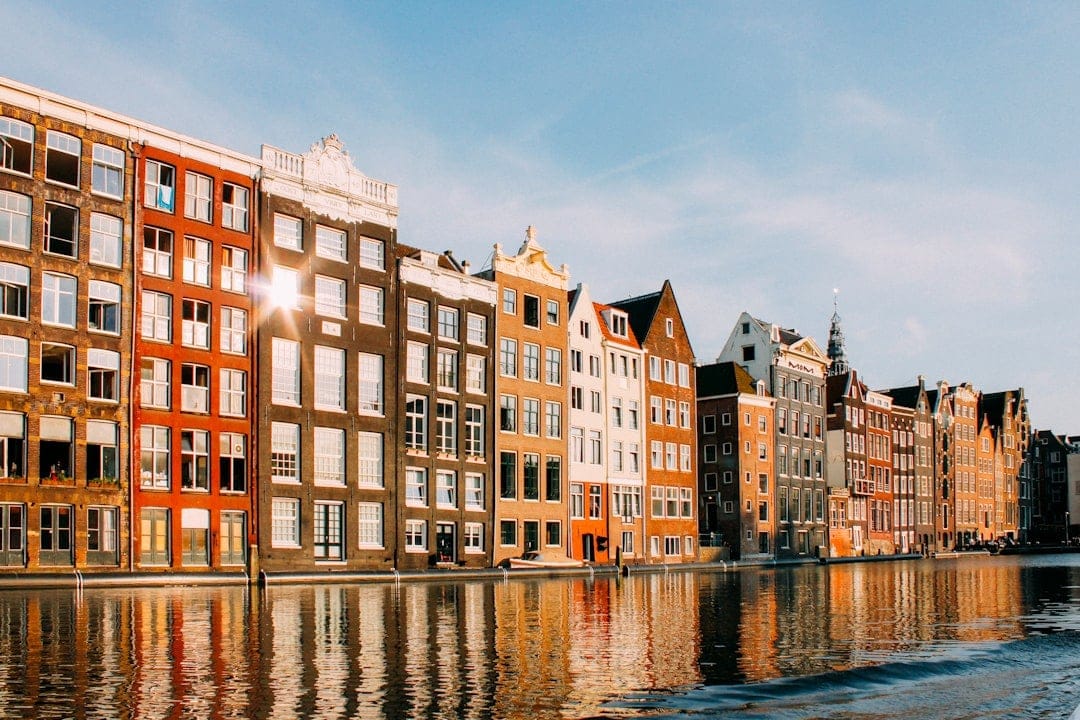
Amsterdam is built in concentric arcs: the old centre around the Dam and the Oude Kerk, the seventeenth-century canal ring listed by UNESCO, then the outer districts — Jordaan, De Pijp, Amsterdam-Noord.
Two full days are plenty: the city is compact and everything can be walked. Three let you add a third museum or a trip out to the Zaanse Schans windmills.
The only real pressure point is booking. The Anne Frank House sells online only and goes fast; the Rijksmuseum and the Van Gogh Museum also run on timed slots.
What to know before you go
Bikes have priority in practice and in everyone's head. Never walk in a cycle lane and never stop in one for a photo: it is the leading cause of accidents involving visitors.
The city is flat and compact: it is a thirty-minute walk from the Rijksmuseum to Centraal Station. A transport ticket is only useful for Noord or for day trips.
Anne Frank House tickets go on sale online six weeks ahead and sell out within hours. There is no door sale at all: without a booking, you do not get in.
The highlights of Amsterdam
What to see, with what makes each one interesting rather than merely compulsory.
The Rijksmuseum
The national museum of the Netherlands, and above all Rembrandt's Night Watch, hung in the room the building was designed around. The Dutch Golden Age fits into ninety minutes of gallery.
The Van Gogh Museum
The largest collection anywhere of a painter who sold almost nothing in his lifetime. The route follows the chronology: you literally watch colour arrive in his work once he reaches Paris.
The Anne Frank House
The secret annexe is left unfurnished, at Otto Frank's request: it is the emptiness that lands. Timed entry, online booking only, and you need to be weeks ahead.
The canal ring
Herengracht, Keizersgracht, Prinsengracht: three half-circles dug from 1613 as a planned expansion. Houses are narrow because tax was levied on façade width, and they lean forward so goods could be hoisted up.
The Jordaan
A former working-class district, now the most sought-after in the city. Hidden courtyards — hofjes — small bridges, galleries: this is where Amsterdam looks most like the idea people have of it, and far less noisy.
The Begijnhof
An enclosed courtyard in the middle of the centre, founded in the fourteenth century for a lay community of women. It holds the city's oldest wooden house, and complete silence fifty metres off the Spui.
Amsterdam-Noord and NDSM
A free ferry leaves from behind Centraal Station every few minutes. On the other side: former shipyards turned into a cultural wasteland, monumental street art, and a view of the city from the water.
De Pijp and the Albert Cuyp market
The lively southern district, with the largest street market in the Netherlands and a density of cafés that makes it the best place to eat without booking a month ahead.
Alongside those: the Oude Kerk, the city's oldest building, planted in the middle of the red-light district, the Vondelpark, the maritime museum, and a hundred or so hofjes that appear in no guidebook.
How to plan your days
Book before you book the hotel
Anne Frank first, Van Gogh second. They are the only genuine constraints of the trip, and everything else arranges itself around them.
One big museum a day, not two
The Rijksmuseum and the Van Gogh are two hundred metres apart, which makes stacking them tempting. It is also the surest way to remember nothing of the second.
Walk the canals rather than cruise them
The boat is pleasant but narrated on a loop and seen from below. On foot you see the façades, the gables, the carved stones — that is where the city's history is written.
Cross the IJ at least once
The ferry is free, runs every five minutes, and takes you from a saturated centre to an almost empty shore. Very few visitors bother.
Understanding what you are looking at
Amsterdam tells its story through detail: a façade stone, a bell gable, a hoisting hook, the width of a house. None of it is explained on site, and that is exactly where the history of a city built by merchants lives.
A paper guidebook
Useful for planning, unwieldy in a city where you walk a lot and it rains often.
A guided tour
Good on the historic centre, but fixed times and confined to the main canals — the ones already busiest.
A location-aware audio guide
The commentary starts on its own along each canal, at each church and each hofje — including the ones no tour mentions. You walk at your own pace, and it all works offline.
What to do in Amsterdam depending on how long you have
Three itineraries that build on each other, from shortest to fullest.
The Rijksmuseum in the morning on a booked slot, then the canal ring on foot to the Jordaan, the Begijnhof on the way, and the Dam at the end of the day.
The Van Gogh Museum on the second morning, the Anne Frank House if you managed to book, then De Pijp and the Albert Cuyp market in the afternoon. This is the best-balanced format.
A morning in Amsterdam-Noord via the ferry, the maritime museum or the Stedelijk in the afternoon. Or a day trip: Haarlem is fifteen minutes away by train.
Zaanse Schans and its windmills, Utrecht and its two-level canal, or — from April to mid-May only — the Keukenhof gardens.
A bruin café, one of those old bars with walls browned by decades of smoke. It is the local institution, and it has nothing to do with the coffeeshops.
— Questions fréquentes
Things to do in Amsterdam: your questions
Two full days comfortably cover the major museums and the centre. Three let you add Noord or a day trip. The city is compact enough that a weekend genuinely works.
You must. Tickets are sold online only, released about six weeks ahead, and gone within hours. There is no door sale and no queue to join.
It covers transport and many museums, but not direct entry to the Van Gogh Museum or Anne Frank. It only pays off beyond three or four museums a day.
The Begijnhof, the ferry to Noord, the Vondelpark, the Albert Cuyp market, the OBA library and its panoramic terrace, and the full walk around the canal ring.
Only if you are confident in traffic: cycling here is dense, fast and governed by unwritten rules. For a first two-day trip, walking is calmer and entirely sufficient.
April-May for the tulips and the light, September for mild weather and thinner crowds. Winter is damp and dark, but the museums are empty and the cafés at their best.
— Pour aller plus loin
The audio guide that tells you Amsterdam as you walk
CityGuide starts the commentary on its own along the canals, at every gabled house and every hidden courtyard — with nothing to look up. It all works offline, and one purchase covers everyone travelling with you.
See the Amsterdam audio guide