

— TRAVEL TIPS · LONDON
Visit London in 3 days: the itinerary for those who want to truly understand the city
Three days are just enough to grasp the geography of power in Westminster and trace industrial evolution along the Thames. However, you will need to sacrifice peripheral museums and outlying parks to maintain a manageable pace.
By Sophie Dorval, UK specialist · September 9, 2026 · 9 min read
The classic mistake is scattering your targets across the map. London sprawls over a vast area, and the Tube can quickly swallow up your sightseeing time. To make the most of it, group your visits by district: begin with the royal and political core, move on to the City and the South Bank, then tackle the cultural hubs. Free admission to national collections also allows you to split museum visits into manageable chunks without paying twice.
One tip before you go: to follow this itinerary independently — at your own pace, without booking a guided tour for every site — bring an audio guide app. You unlock the whole city at once, and the story of each monument starts playing as soon as you arrive in front of it. That's exactly what CityGuide offers in London.
Book your entry slots well ahead: free admission does not exempt you from mandatory advance reservations at major institutions.
Day 1
Power and the Crown
From Westminster Abbey to the National Gallery: the political genesis of the nation.
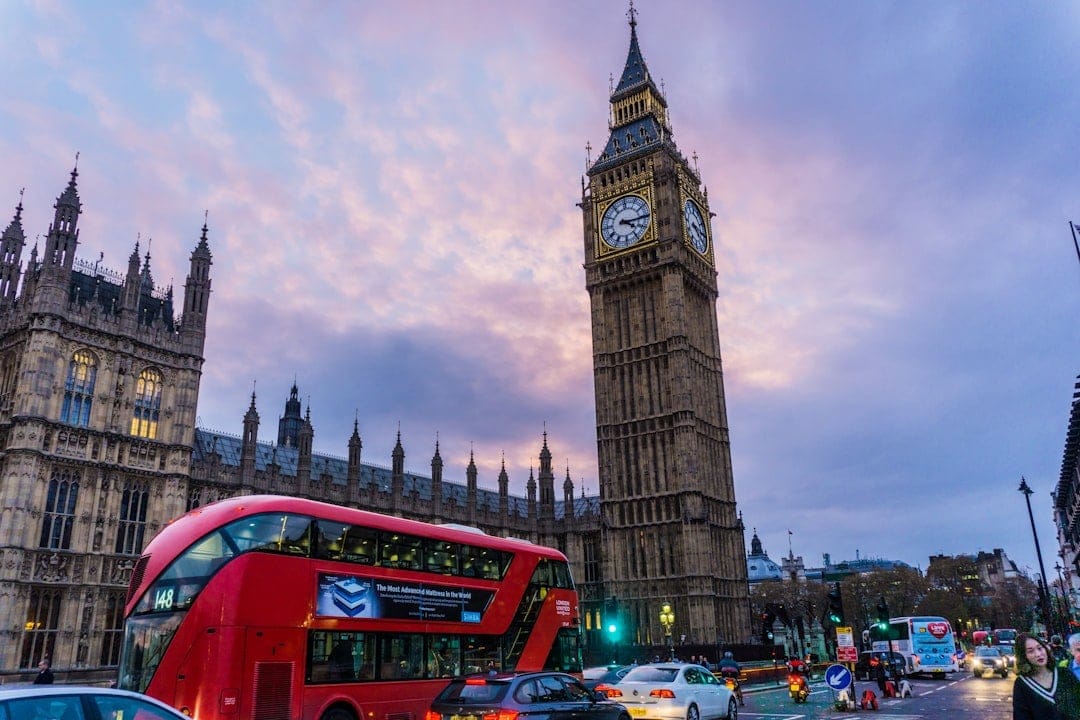
Westminster Abbey requires a timed-entry ticket, which often sells out several days in advance. This is the resting place of 30 kings and queens since 1066. Right next door stands the Elizabeth Tower, home to Big Ben, whose chimes strike the note of E.
Walking up towards Trafalgar Square, you will pass 10 Downing Street, barricaded behind security gates since 1989. The Horse Guards carry out their changing of the guard at 11:00 sharp on weekdays on the adjacent parade ground.
St James's Park is home to a resident colony of pelicans, first introduced in 1664 as a gift from a Russian ambassador. The lakeside benches offer a prime spot to pause for lunch with clear views towards Buckingham Palace.
Admission to the National Gallery is free, but booking a timed-entry ticket online is still required on weekends. The 2,300 paintings in the collection run up to the early 20th century, including Van Gogh's Sunflowers, acquired by the gallery in 1924.
The former market halls of Covent Garden now neighbour the Royal Opera House. In the surrounding side streets, pubs require you to order directly at the bar—an immutable rule of British drinking culture.
Day 2
From Roman ruins to repurposed power stations
The medieval financial core meets Southwark's industrial revival.
The Tower of London has guarded the Crown Jewels under high security since the reign of Charles II. Tower Bridge, opened in 1894, lifts its bascules roughly 800 times a year to let river traffic through.
The City financial district layers Roman remains beneath contemporary skyscrapers. The free public garden atop 120 Fenchurch Street offers panoramic 360-degree views across London without the lengthy queues of the Sky Garden.
Cross the river to reach Borough Market, whose documented origins date back to 1014. The stalls serving Cumberland sausages and British artisan cheeses begin packing up in the late afternoon, and close earlier on Sundays.
Housed in the former Bankside Power Station which shut down in 1981, Tate Modern offers free access to its permanent collection. Only temporary headline exhibitions on the ground floors require a paid ticket.
The South Bank at dusk, stretching between Westminster and the Tate, is lit by cast-iron Victorian street lamps. Switch on the audio app here to discover how derelict docklands were transformed into a cultural hub.
Once you are there, let it guide you
The CityGuide London audio guide starts by itself in front of every stop on your itinerary.
Full audio guide
$21.90 $39.90
★ 4.8/5 · 15 reviews
30-day money-back guarantee
Day 3
Science, knowledge, and pastel facades
Victorian institutions and the quiet residential enclaves of West London.
Opened in 1881, the Natural History Museum displays remarkable specimens beneath cathedral-like terracotta vaults. Book your free timeslot in advance to skip the queue along Cromwell Road.
South Kensington is densely packed with red-brick institutions funded by the profits of the 1851 Great Exhibition. The V&A Museum features an inner courtyard café accessible without needing an exhibition ticket.
Spanning 142 hectares, Hyde Park forms a green buffer between central and west London. The Diana, Princess of Wales Memorial Fountain takes the form of an open ring of Cornish granite through which water flows continuously.
Portobello Road in Notting Hill is famous for its pastel façades and antique dealers packing away their stalls by late afternoon. The pubs along Golborne Road take over for the evening with a raw, neighbourhood feel.
6 practical tips for navigating London
- Oyster cards have lost their financial edge over contactless bank cards: simply tap your card or phone directly against the yellow readers at the Tube gates.
- The London Underground is divided into 9 fare zones, but 95% of major landmarks sit within Zones 1 and 2, capping your daily transport spend at a fixed threshold.
- National museums such as the National Gallery, Tate Modern, and the Natural History Museum close in the late afternoon, so schedule your indoor visits before then.
- To eat well on a budget, head to covered markets like Borough Market or Spitalfields before 14:00, or seek out the Asian fast-casual spots along Tottenham Court Road.
- Access to the City churches designed by Sir Christopher Wren depends heavily on the working week: most remain closed on Saturdays and Sundays.
- The Sky Garden requires booking a free ticket several weeks in advance, but The Garden at 120, located right next door, welcomes walk-in visitors after a quick security check.
Context changes everything
Watching the ravens at the Tower of London or admiring the façade of Westminster Abbey means little unless you understand the power struggles that unfolded there. London's urban history is deeply layered, defined above all by the Great Fire of 1666 and the Blitz of 1940.
That's where an audio guide app like CityGuide comes in: it detects where you are and plays the story of each place at just the right moment, while you walk from one stop to the next — hands and eyes free, even offline. So you can follow your itinerary without ever being left in the dark.
— Frequently Asked Questions
Frequently asked questions about a 3-day trip
It is the bare minimum to cover the three core historical zones: Westminster, the City, and South Kensington's museums. You will not, however, have time to venture as far as Greenwich or Richmond.
Yes. The British Museum, the Natural History Museum, and the National Gallery all require a free timed-entry ticket booked online. Without one, you face long waits outside or outright refusal at the door.
Daily fares within Zones 1 and 2 are capped at a set rate. Provided you tap in and out with the same contactless card or device, you will never pay more than that maximum amount within a 24-hour period.
May and September offer pleasant temperatures of around 18 degrees Celsius and statistically lower rainfall than high summer. January and February offer the lowest hotel rates.
Soho and Covent Garden boast the highest concentration of theatres and historic pubs. Keep in mind that last orders are typically called at 23:00 in most traditional establishments.
The Elizabeth line links Heathrow directly to central London for a set fare. The Gatwick Express delivers you directly to Victoria Station in less time, but costs considerably more.
— Go Further
London in your headphones
The CityGuide app offers location-based audio walking tours written by local historians. Hit play, slip your phone into your pocket, and let yourself be guided from the City to Southwark, accompanied by authentic archival recordings.
See the London audio guide