

Travel Guide
How to Plan Your First Trip to London
Preparing for a transatlantic flight to the British capital requires addressing specific logistics, from navigating upcoming travel authorisations to understanding the local card payment culture.
UK specialist · September 10, 2026 · 9 min read
Start by checking your US passport validity. The UK requires your passport to be valid for the duration of your stay, but if you plan to take the Eurostar to Paris, Schengen rules mandate at least three months of validity beyond your departure date.
Monitor the rollout of the UK Electronic Travel Authorisation (ETA) for entry into London, and the ETIAS if you plan to travel onward to the Schengen area. Both are planned digital permissions with shifting launch dates, so you must check the official government websites before your departure.
Book your flights into Heathrow or Gatwick and secure accommodation at least three months in advance. London is heavily decentralized, so choosing a hotel near a Tube station on the Elizabeth, Piccadilly, or Victoria lines will significantly cut down transit time.
What to Prepare Before Leaving the US
Passport and Travel Authorisations
Ensure your passport is valid and check the UK government portal for the ETA requirement. Although the timeline shifts, it will eventually be mandatory for US citizens before boarding a flight.
Adapters and Voltage
The UK operates on a 230V system and uses the Type G plug with three rectangular pins. Check if your electronics are dual voltage; if your hair dryer says 120V only, leave it in the US to avoid blowing a fuse.
Mobile Connectivity
Check your US carrier for international roaming plans, which often charge a daily flat rate. Alternatively, purchase an eSIM from providers like Airalo or Holafly before departure to activate data upon landing at Heathrow.
Health and Insurance
The NHS provides free emergency medical treatment in hospitals, but follow-up care or repatriation requires private travel insurance. Purchase a policy that covers medical evacuation back to the US.
Money and Cards
London is practically cashless. Bring a Visa or Mastercard with no foreign transaction fees and tap-to-pay capability, which you will use for everything from buying a flat white to tapping through the Tube turnstiles.
Once you are there, let it guide you
The CityGuide London audio guide starts by itself in front of every stop on your itinerary.
Full audio guide
$21.90 $39.90
★ 4.8/5 · 15 reviews
30-day money-back guarantee
When to Visit London
London experiences four distinct seasons, each affecting flight costs and crowd levels.
Temperatures remain cool, requiring a trench coat or light jacket. Hotel rates begin to rise around the Easter holidays, and the Chelsea Flower Show in late May drives up accommodation demand in West London.
The peak tourist season brings the warmest weather and the highest flight prices from the US. Wimbledon in July and the Notting Hill Carnival in August create localized crowds and booked-out restaurants.
September offers milder weather and fewer crowds as schools reopen. By November, the city installs Christmas lights on Oxford Street and Regent Street, while hotel rates drop slightly before the holiday rush.
January and February offer the lowest airfares and hotel rates. Daylight is short, with the sun setting before 4 PM, pushing visitors toward indoor activities at the British Museum or West End theatres.
Anticipating Your Travel Costs
Understanding the main expense categories helps manage your finances across the pond.
Transatlantic airfare varies sharply by season and departure city. Direct flights from East Coast hubs like JFK or Newark generally cost less than routes from the West Coast, with summer commanding the highest premiums.
Central London hotels in zones 1 and 2 command high nightly rates. Opting for neighborhoods in zone 3, provided they are near a well-connected Tube station, reduces lodging costs considerably.
Pub meals and supermarket meal deals from Tesco or Marks & Spencer keep dining costs manageable. Sit-down restaurants in Soho or Mayfair will rapidly increase your daily food expenditure.
Most major public museums, including the National Gallery and the Tate Modern, offer free permanent collections. Budget primarily for temporary exhibitions, West End theatre tickets, and private attractions like the Tower of London.
Navigating London Like a Local
Transport
Use your contactless US credit card or Apple Pay to tap in and out at Tube and bus readers. The daily cap system automatically calculates the lowest fare, making the traditional Oyster card largely obsolete for short visits.
Tipping Culture
Unlike the US, a 12.5 percent optional service charge is automatically added to most restaurant bills. If it is on the receipt, leave no extra tip; in pubs, you order at the bar and tipping is not expected.
Crossing the Street
Traffic flows on the left side of the road. Look right before stepping off the curb, and pay attention to the Look Right warnings painted on the pavement at pedestrian crossings.
Navigating the City
Download Citymapper rather than relying solely on Google Maps. It integrates real-time bus arrivals, Tube delays, and walking routes better suited to London's complex transit network.
Safety
Violent crime is low, but phone snatching by thieves on mopeds is a recognized issue in central areas like Westminster and Camden. Keep a firm grip on your device when navigating on the pavement.
What to Book in Advance
Securing tickets before you fly prevents getting turned away at the door.
-
Book tickets for the Tower of London online in advance to bypass the longest queues at the ticket office.
-
Reserve tables at popular restaurants in Soho or Shoreditch at least two weeks ahead, as walk-ins are routinely turned away.
-
Secure West End theatre tickets prior to your trip if you want stalls or dress circle seats for major productions.
-
Book timed entry slots for the free national museums, like the Natural History Museum, particularly if visiting during UK school holidays.
-
Purchase Heathrow Express or Gatwick Express tickets online weeks before your flight to secure early-bird discounts.
Ways to Explore the City
Different tools exist to guide your walks around the capital.
Traditional Guidebooks
A physical book offers static maps and historical context, though restaurant hours and transit fares become outdated quickly after printing.
Group Walking Tours
A guide leads a group of twenty through Westminster, providing commentary but enforcing a rigid schedule that prevents lingering at sites.
Location-Aware Audio Guides
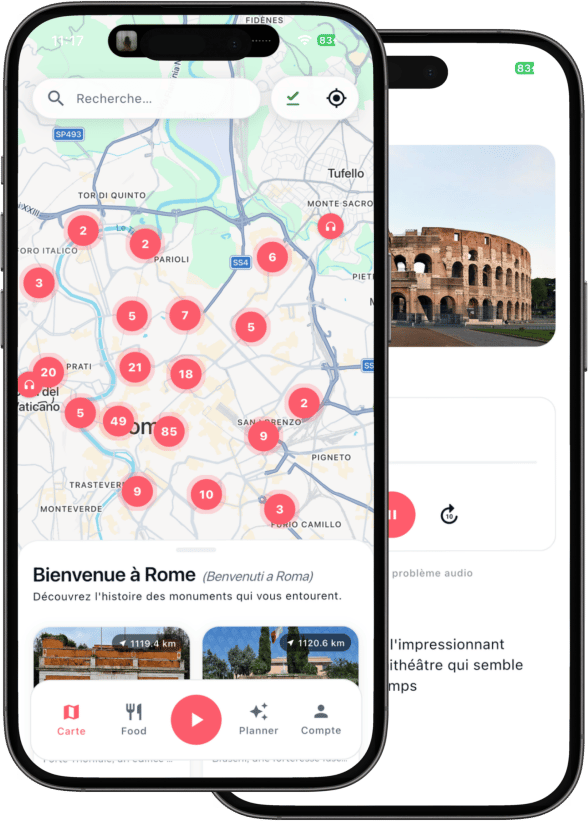
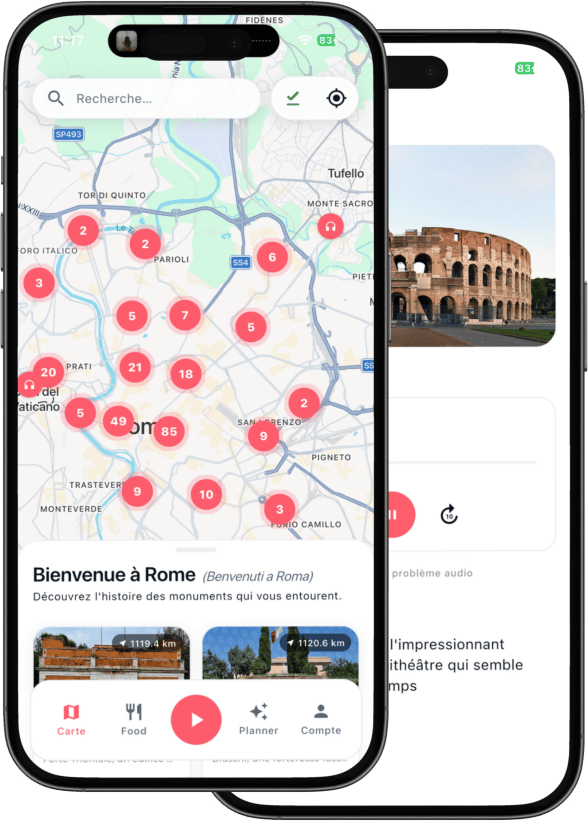
An app on your smartphone triggers audio commentary based on your GPS coordinates, allowing you to explore the South Bank at your own pace while keeping your hands free.
— Questions fréquentes
Frequently Asked Questions
US citizens do not need a visa for tourism stays under six months. However, you will soon need to apply for the UK Electronic Travel Authorisation (ETA) before flying.
No, the local currency is the British Pound (GBP). However, physical cash is rarely needed, as London operates almost entirely on contactless card payments.
There is no legal requirement to carry your physical passport daily. Leave it in your hotel safe and carry a photocopy or a digital photo on your phone.
It depends on your itinerary. If you plan to visit three paid attractions a day, such as Westminster Abbey and the Tower of London, it offers value, but remember that major museums are already free.
Your USB cables will work, but you need a Type G plug adapter to fit the UK wall sockets. Verify that your charging brick supports 230V, which most modern electronics do.
The Elizabeth Line offers a direct route to central stations like Paddington and Tottenham Court Road. The Heathrow Express is faster to Paddington but costs significantly more.
— Pour aller plus loin
Ready to explore London?
Download our GPS-triggered audio tours to navigate the streets of London at your own pace.
Get the App