

Travel Planning
How to Plan Your Trip to Barcelona
Preparing for your first European trip requires navigating different electrical standards, new travel authorizations, and local schedules. Here is exactly what you need to organize for a smooth arrival in the Catalan capital.
Spain specialist · September 10, 2026 · 9 min read
First, verify your passport is valid for at least six months beyond your planned date of departure from the Schengen area. While US citizens currently enter visa-free for short tourist stays, the European Union is planning to implement the ETIAS authorization system. You will need to check the official EU portal before your trip to see if the requirement has taken effect.
Second, secure your entry to major sites before booking restaurant tables. Gaudí structures like the Sagrada Familia and Park Güell operate on strict timed-entry systems and routinely sell out weeks in advance. Attempting to buy tickets at the gate is no longer a viable strategy for visitors.
Finally, prepare your electronics and finances for the European standard. You will need a Type C or F plug adapter, and you must verify that your devices support 230V power to avoid short circuits. Additionally, notify your bank of your travel dates and prioritize a credit card that does not charge foreign transaction fees.
What to Sort Out Before Leaving
Passports and Travel Authorizations
Spain is part of the Schengen area, requiring US passports to have at least six months of validity remaining. The EU plans to introduce the ETIAS pre-travel authorization for visa-exempt visitors, so check the official European Union website for current implementation status before booking flights.
Connectivity and Cellular Data
Relying on standard US roaming charges will quickly inflate your budget. Check if your carrier offers an international day pass, or purchase a prepaid eSIM from providers like Airalo to access Spanish cellular networks immediately upon landing at El Prat airport.
Power Adapters and Voltage
Spain uses Type C and Type F wall outlets delivering 230V. Standard US appliances run on 120V. While most modern laptop and phone chargers are dual-voltage, items like hair dryers and straighteners will require a heavy voltage converter, or they will be destroyed.
Money and Credit Cards
Visa and Mastercard are accepted at almost all businesses, while American Express faces frequent rejection due to higher merchant fees. Bring a card with no foreign transaction fees, and plan to withdraw a small amount of Euros from a legitimate bank ATM for minor purchases.
Prescription Medications
Bring all necessary medications in their original, clearly labeled prescription bottles. Some over-the-counter drugs common in the US, such as high-dose ibuprofen or certain cold medicines, are restricted or require a local prescription in Spanish pharmacies.
Once you are there, let it guide you
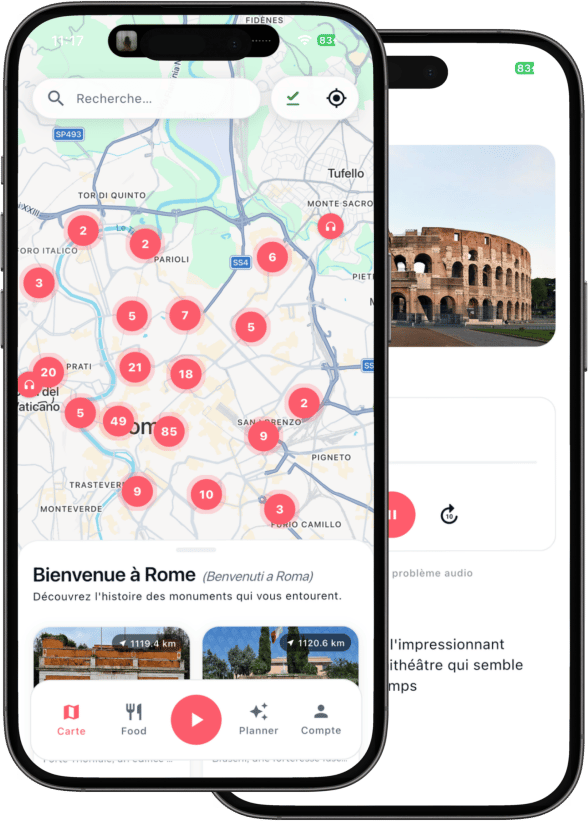
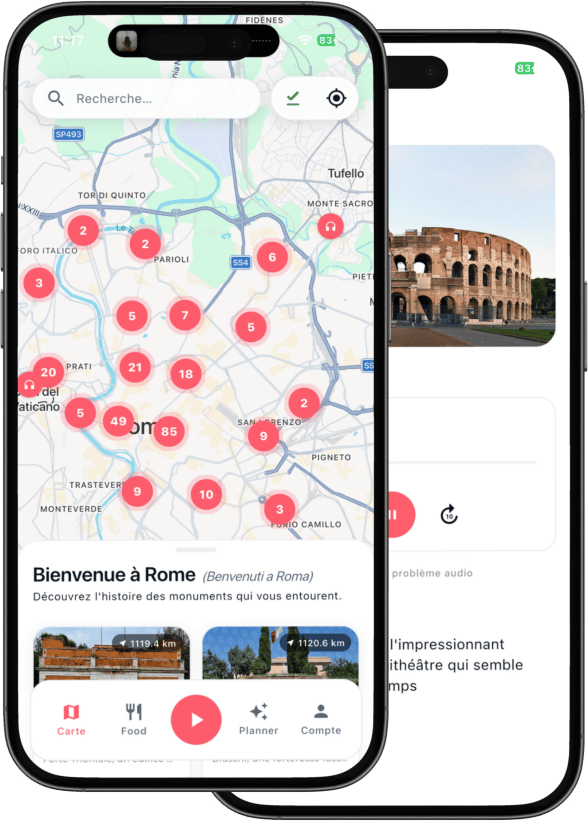
The CityGuide Barcelona audio guide starts by itself in front of every stop on your itinerary.
Full audio guide
$21.90 $39.90
★ 4.8/5 · 15 reviews
30-day money-back guarantee
When to Visit Barcelona
Barcelona features a Mediterranean climate, meaning mild winters and hot, humid summers, which heavily dictates local schedules and hotel rates.
Temperatures are comfortable for walking the steep streets of Montjuïc. Late April brings the Sant Jordi festival, where streets fill with book and rose stalls, driving up hotel occupancy.
High heat and intense humidity dominate. Tourists crowd the beaches, while many locals leave the city in August, resulting in the temporary closure of various independent restaurants and shops.
September features the massive La Mercè city festival with street parades and human towers. The Mediterranean Sea remains warm enough for swimming, though sudden rain showers are common.
Hotel rates drop significantly as temperatures cool. This is the only time to experience Calçotada, a traditional Catalan winter meal of roasted spring onions dipped in romesco sauce.
Budgeting Your Trip
While generally more affordable than London or Paris, Barcelona still requires careful financial planning for an American visitor.
Transatlantic airfare forms the largest expense. Direct flights from East Coast hubs are consistently cheaper and shorter than connecting routes from the West Coast.
Options range from basic hostels in Gràcia to luxury properties in Eixample. Every booking includes a mandatory municipal tourist tax charged per person, per night, collected directly by the hotel.
Eating the menu del dia, a fixed-price lunch special offered on weekdays, keeps food costs low. Sitting down for a la carte dinner service with drinks will significantly increase your daily spend.
Entry fees for major architectural sites accumulate quickly. Visiting Casa Batlló, Casa Milà, and the Sagrada Familia requires a substantial budget compared to exploring the free public parks.
Navigating Barcelona on the Ground
Public Transport
The T-Casual transport card provides ten journeys on the metro, bus, and tram networks. However, this specific pass is not valid for the Aerobús or the airport metro stations.
Language
Catalan and Spanish are co-official languages. Street signs and menus often feature Catalan first. English is widely spoken in the hospitality sector, but learning basic greetings is appreciated.
Tipping Customs
Unlike the US, service staff are paid a standard wage, and a service charge is factored into the menu price. Leaving one or two extra Euros for a sit-down meal is polite but never mandatory.
Dining Schedule
Restaurants serve lunch between 1:30 PM and 3:30 PM. Dinner service rarely begins before 8:00 PM, and most locals do not sit down to eat until 9:30 PM or later.
Safety and Security
Pickpocketing is highly prevalent, particularly on Las Ramblas and the central metro lines. Keep wallets in front pockets, wear bags cross-body, and never leave your phone resting on a café table.
What to Book Ahead
Spontaneity will leave you locked out of Barcelona's major sites.
-
Sagrada Familia tickets sell out weeks in advance and cannot be purchased at the physical entrance.
-
Park Güell regulates hourly capacity, meaning walk-ups are routinely turned away at the gates.
-
The Picasso Museum offers free entry on Thursday afternoons, but these specific slots require booking online days prior.
-
High-speed AVE trains to Madrid or Seville are significantly cheaper when booked weeks ahead through the Renfe website.
-
Popular restaurants in the El Born and Eixample districts require reservations for Friday and Saturday night dinners.
Ways to Explore the City
Choosing how to navigate the architecture and history depends on your travel style.
Traditional Guidebooks
Paper guides offer solid historical context but struggle to keep up with rapidly changing restaurant hours and ticket prices.
Group Walking Tours
Led by a local guide, these provide a human element but force you to adhere to a rigid schedule and the walking pace of strangers.
Location-Aware Audio Guide
An app on your phone triggers historical commentary exactly when you stand in front of Casa Vicens, letting you pause for a coffee break whenever you want.
— Questions fréquentes
Frequently Asked Questions
US citizens currently do not need a visa for tourist stays under 90 days. However, the ETIAS authorization system is planned for the future, so check official EU requirements before traveling.
No, Spain uses the Euro. Rely on a credit card without foreign transaction fees, and withdraw small amounts of Euros from local bank ATMs for cash-only establishments.
Spain uses 230V electricity, whereas the US uses 120V. Unless your hair dryer is specifically labeled as dual-voltage, a simple plug adapter will not prevent it from short-circuiting.
Yes, Barcelona tap water is strictly regulated and safe to consume. Some visitors dislike the high mineral taste and choose to buy bottled water at supermarkets.
While helpful, English is widely spoken in hotels, major museums, and central restaurants. Learning a few basic Catalan or Spanish greetings goes a long way with locals.
The Aerobús runs frequently to Plaça de Catalunya, offering a direct surface route. Alternatively, the L9 Sud metro line connects the airport terminals to the broader subway network.
— Pour aller plus loin
Ready to explore Barcelona?
Download our location-aware audio guide to discover the stories behind the Gothic Quarter and Gaudí's masterpieces at your own pace.
Get the App