

— TRAVEL TIPS · BARCELONA
Visit Barcelona in 3 days
Three days give you just enough time to wander through the Gothic heart and check off Gaudí's greatest masterpieces. Forget about Mount Tibidabo or far-flung museums if you plan on getting any sleep at night.
By Sophie Dorval, Spain specialist · September 9, 2026 · 9 min read
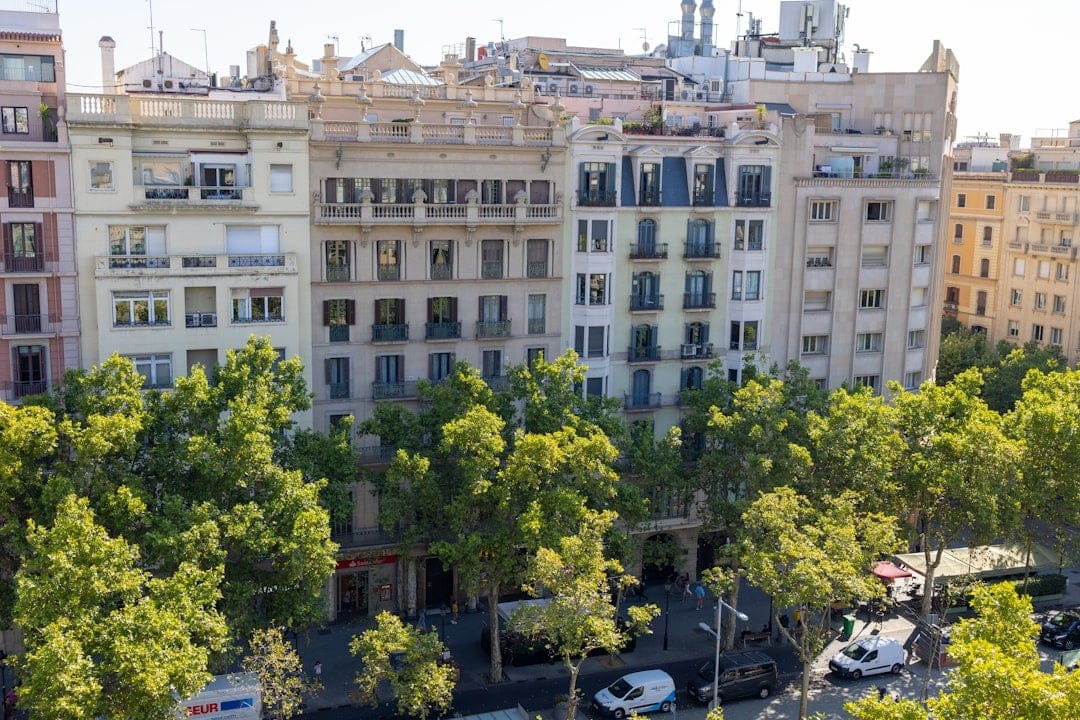
The classic mistake is zigzagging between Gràcia, Montjuïc, and the beach on the same day. Cerdà's urban layout, with the octagonal blocks of the Eixample, demands that you group your visits by geographic area.
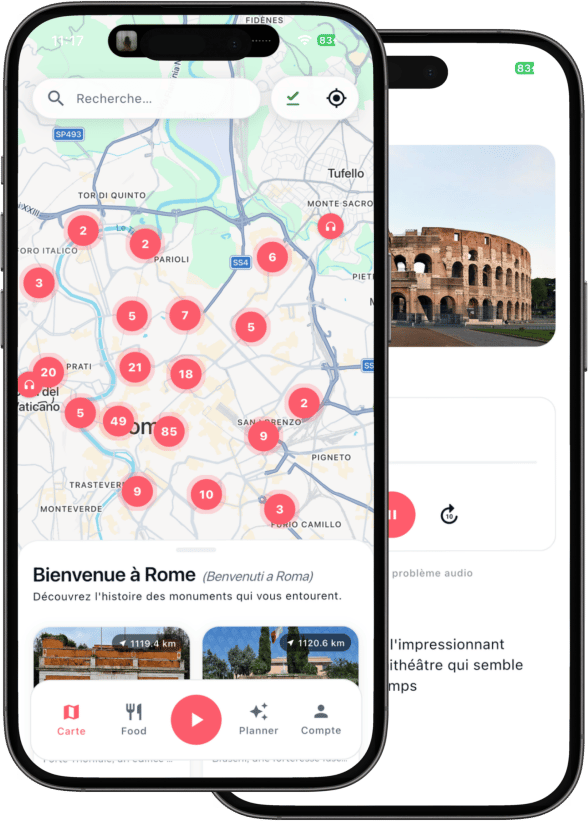
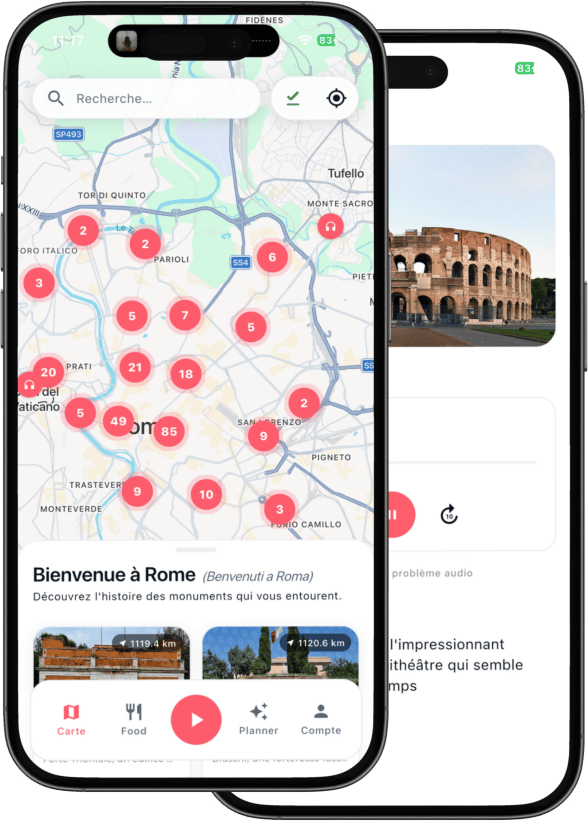
One tip before you go: to follow this itinerary independently — at your own pace, without booking a guided tour for every site — bring an audio guide app. You unlock the whole city at once, and the story of each monument starts playing as soon as you arrive in front of it. That's exactly what CityGuide offers in Barcelona.
Book your tickets well in advance for private foundations and the Sagrada Família, which regularly sell out weeks ahead from April to October.
Day 1
Modernisme and the Eixample
A deep dive into early 20th-century bourgeois architecture.
Start at the Sagrada Família. The basilica, consecrated in 2010 by Pope Benedict XVI, requires an advance online booking with a fixed time slot.
Walk down Passeig de Gràcia. The Illa de la Discòrdia brings together three rival architects on the very same pavement, including Lluís Domènech i Montaner, with façades you can admire for free from the street.
Pass in front of Casa Batlló. Its façade is covered in trencadís, a mosaic technique using broken ceramic tiles. Admission is a substantial investment, so it pays to be selective about which houses you enter.
Step inside La Pedrera (Casa Milà). This was Gaudí's final civic commission before devoting himself entirely to the basilica. Access to the rooftop and its sculpted chimneys is included in the ticket.
Head up towards Gràcia. This former village was annexed to Barcelona in 1897, and Plaça del Sol is lined with terraces where locals sip vermouth in the evening.
Day 2
Roman and medieval history
Exploring the historic core of the city, from Barcino to the Ciutat Vella.
Venture into the Barri Gòtic to the Cathedral of the Holy Cross. The current façade actually dates back to the late 19th century, added for the Universal Exposition. Entry is free early in the morning.
Make your way to Plaça del Rei. The underground vaults of the city history museum (MUHBA) house extensive Roman ruins from the ancient colony founded by Augustus.
Cross La Rambla to reach the Boqueria market. Built in 1840 on the site of a razed convent, the Mercat de Sant Josep features dozens of tapas stalls, which become cheaper the further you move away from the central aisle.
Walk over to El Born to see the Basilica of Santa Maria del Mar. Built in just 54 years during the 14th century, it was funded and constructed by the neighbourhood's dockworkers.
Finish your day at the Parc de la Ciutadella. Laid out on the grounds of Philip V's former repressive military citadel, the park features a monumental fountain designed with the assistance of a very young Antoni Gaudí.
Once you are there, let it guide you
The CityGuide Barcelona audio guide starts by itself in front of every stop on your itinerary.
Full audio guide
$21.90 $39.90
★ 4.8/5 · 15 reviews
30-day money-back guarantee
Day 3
The heights and the sea
From Gaudí's utopian vision to the revived seafront.
Reach Park Güell right at opening time. Originally planned as a private residential estate in 1900, only two houses were ever sold. The monumental zone is now strictly regulated and requires a paid ticket.
Head towards Montjuïc. The Lluís Companys Olympic Stadium was heavily renovated for the 1992 Games, and access to the stands is generally free during the day when no events are scheduled.
Take the Telefèric del Port back down to the harbour. The red cable cars have connected the hill to the Sant Sebastià tower since 1931.
Stroll through La Barceloneta. This neighbourhood of narrow, grid-like streets was built from scratch in 1753 to rehouse residents displaced by the construction of the Ciutadella.
Open your classic audio guide app on your phone to hear the story of the Olympic Port. The narrative accompanies you as the sun sets behind the W Hotel, designed by architect Ricardo Bofill.
6 rules to survive Barcelona
- The T-Casual travel card offers 10 journeys, but it has been strictly non-transferable since 2020. Buy it at the red ticket machines in the metro.
- Sundays are closing days for municipal markets such as Santa Caterina.
- Metro line L3 (green) serves virtually all the key stops for a first-time trip: Catalunya, Liceu, Espanya, and Vallcarca.
- Never order paella for dinner. Catalan tradition dictates that this hearty rice dish is eaten exclusively at lunch, often on Thursdays.
- Admission rules for Park Güell have changed: early-morning free access is now restricted to local residents, locking out tourists without a reservation.
- From El Prat airport, the Rodalies R2 Nord train is very economical and drops you right at Passeig de Gràcia, much cheaper than the Aerobús.
Understanding what you are looking at
Following a sensible route through the streets is not enough if you do not understand why the churches of El Born look like fortresses or how the Eixample was designed.
That's where an audio guide app like CityGuide comes in: it detects where you are and plays the story of each place at just the right moment, while you walk from one stop to the next — hands and eyes free, even offline. So you can follow your itinerary without ever being left in the dark.
— Frequently Asked Questions
Frequently asked questions for a long weekend
It is the standard timeframe to cover the Eixample, the Gòtic, and the seafront. You will need to sacrifice outlying areas like Poblenou or the Camp Nou stadium.
Allow for a comfortable budget. Entry tickets to Modernisme landmarks carry a hefty individual price tag, which quickly adds up.
Yes, the Sagrada Família and Park Güell no longer operate on-site ticket counters. Tickets can only be purchased online for designated time slots.
The TMB metro runs from early morning until late at night on weekdays, and around the clock from Saturday through Sunday. The historic centre is best explored entirely on foot.
April, May, and October offer very pleasant temperatures. Peak summer in July and August combines intense heatwaves with heavy tourist congestion.
Avoid the terraces on Plaça Reial. Instead, seek out small neighbourhood bodegas in Gràcia or the Sant Antoni district, where a draught beer remains very affordable.
— Go Further
Barcelona in your headphones
The CityGuide Barcelona app replaces paper guidebooks with location-aware audio stories written by local historians.
See the Barcelona audio guide