

Travel Planning
How to Plan Your First Trip to Paris
Preparing for a transatlantic flight to Charles de Gaulle requires more than packing a suitcase. You need to navigate Schengen passport validity rules, secure time-slotted museum tickets weeks in advance, and adapt to local payment customs.
France specialist · September 10, 2026 · 9 min read

Start by checking your US passport expiration date. France requires your passport to be valid for at least three months beyond your planned date of departure from the Schengen area, though airlines often enforce a six-month rule at check-in.
Next, map out your daily itinerary to secure reservations for high-demand sites. The Louvre, the Eiffel Tower, and the Catacombs require advance booking, and time slots often sell out weeks ahead during the summer.
Finally, sort your connectivity and payment methods before departure. Purchase an eSIM for immediate data access upon landing at CDG or Orly, and ensure your credit card has no foreign transaction fees and supports contactless tap-to-pay, which is the standard across Parisian cafes and the Metro.
What to Sort Out Before Leaving the US
Passport and ETIAS
The European Union is implementing the ETIAS authorization system for visa-exempt visitors, including US citizens. Check the official EU website for the current status before your trip, as implementation dates fluctuate and you will not be allowed to board your flight without it once the system goes live.
Power Adapters and Voltage
US appliances run on 120V, while France uses 230V with Type C and Type E plugs. Bring a plug adapter, and check that your electronics are dual-voltage to avoid frying them; hair dryers usually require a dedicated voltage converter.
Connectivity and eSIMs
Rather than paying daily international roaming charges to AT&T or Verizon, install an eSIM from providers like Airalo or Holafly. This allows you to use Google Maps and translation apps the moment your plane touches down.
Airport Transfers
Decide how you will reach the city center from Charles de Gaulle airport. The RER B train is the most cost-effective rail link to Gare du Nord, while official taxi ranks offer a flat-rate fare to the Right Bank and Left Bank.
Medications and Prescriptions
Pack all prescription medications in their original labeled bottles. Over-the-counter drugs common in the US, like melatonin, require a prescription in France, so bring enough for your entire stay.
Once you are there, let it guide you
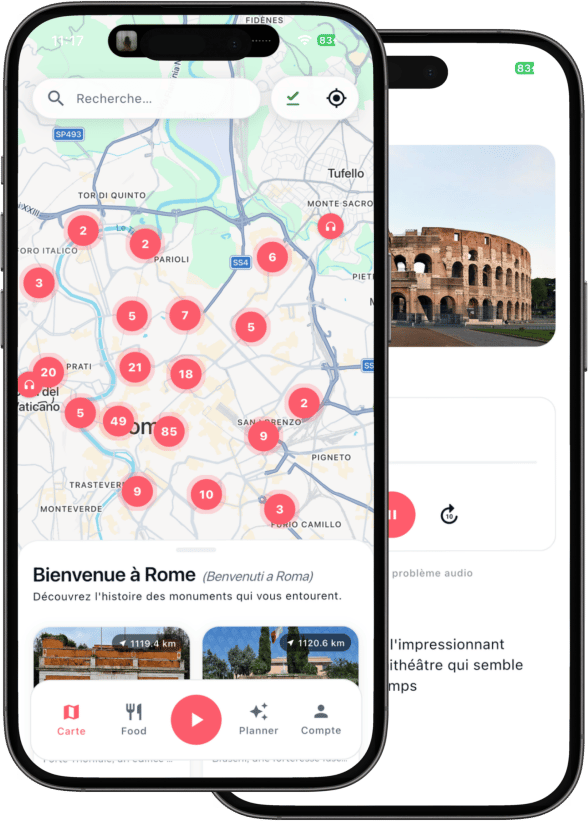
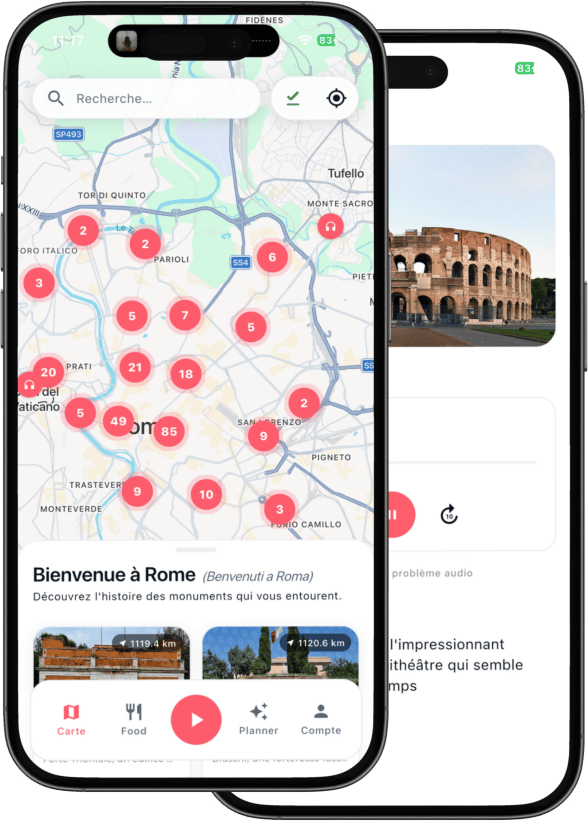
The CityGuide Paris audio guide starts by itself in front of every stop on your itinerary.
Full audio guide
$21.90 $39.90
★ 4.8/5 · 15 reviews
30-day money-back guarantee
Choosing the Right Season for Paris
Paris shifts dramatically in crowd size, hotel rates, and weather depending on the month you choose to cross the Atlantic.
April brings cherry blossoms to the Parc de Sceaux and mild weather, but it also marks the start of the high season. Hotel rates climb steadily, and you will need a light jacket for frequent rain showers.
July and August mean long daylight hours, with the sun setting late in the evening. Locals abandon the city for the coast, leaving it to tourists, which means air conditioning in older boutique hotels is rare and often weak.
September and October offer crisp air and fewer crowds at major sites like the Musée d'Orsay. Fashion Week in late September spikes hotel prices in the 1st and 8th arrondissements, so book rooms early.
January and February are cold and damp, making it the cheapest time to fly from the US. You will find shorter lines at museums and winter sales, known as les soldes, in department stores like Galeries Lafayette.
Budgeting Your Parisian Stay
Your expenses will depend heavily on the arrondissement you sleep in and how you choose to eat.
Direct flights from East Coast hubs like JFK or Newark are generally cheaper than routes from the West Coast. Booking your transatlantic ticket several months in advance secures the lowest economy fares.
Staying in the central 1st to 6th arrondissements commands a premium. Opting for neighborhoods like the 11th or 13th lowers your nightly rate significantly while keeping you near major Metro lines.
A traditional multi-course dinner at a classic brasserie will consume a large portion of your daily funds. You can reduce costs by purchasing a baguette at a local boulangerie and cheese from a fromagerie for a picnic in the Jardin du Luxembourg.
Single Metro tickets add up quickly if you take multiple rides daily. Purchasing a Navigo Easy pass and loading it with a carnet of ten digital tickets lowers the cost per ride.
Navigating Paris on the Ground
Tipping Customs
Unlike the US, a 15 percent service charge is legally included in all French restaurant bills, noted as service compris. Leaving a small coin on the table is appreciated for exceptional service but never strictly required.
Greeting Etiquette
Always say bonjour when entering a shop, bakery, or restaurant, and au revoir when leaving. Skipping this basic greeting is considered highly rude by Parisian staff and will negatively impact the service you receive.
Public Transit
The Paris Metro requires you to keep your validated ticket or Navigo pass until you exit the station. RATP inspectors frequently conduct random checks in the corridors, and failing to produce a valid ticket results in an immediate on-the-spot fine.
Payment Methods
While Visa and Mastercard are accepted almost everywhere via contactless terminals, American Express is frequently rejected by smaller merchants due to high merchant fees. Keep a small amount of Euro coins for public restrooms and open-air markets like the Marché d'Aligre.
Safety and Pickpockets
Violent crime is rare, but pickpockets operate heavily on crowded Metro lines like Line 1 and Line 4, and around the Sacré-Cœur. Keep your phone in a zipped front pocket and avoid engaging with petition-signers near major monuments.
What to Book in Advance
Spontaneity in Paris often leads to sold-out signs at the ticket counter.
-
Time-slotted tickets for the Louvre must be secured online weeks ahead, as walk-up entry is rarely granted.
-
Access to the Eiffel Tower summit via the elevators sells out rapidly, requiring you to book directly on the official website the day tickets are released.
-
The Catacombs release their tickets online exactly seven days in advance, and they disappear within hours.
-
High-end restaurants and popular neo-bistros in the 11th arrondissement require reservations made at least a month prior.
-
Tickets for a performance at the Palais Garnier opera house should be purchased the moment the seasonal calendar opens to the public.
Tools to Guide Your Visit
Navigating the city requires the right resources to maximize your time.
Guidebooks
Traditional paper guidebooks offer curated lists of restaurants and historical context. However, their printed maps are cumbersome to unfold on a crowded sidewalk and their opening hours become outdated quickly.
Guided Tours
Booking a human guide for a neighborhood walking tour provides a structured overview of an area like the Marais. The downside is that you must adhere to their strict schedule and pace, leaving little room to linger at a specific cafe.
Location-Aware Audio Guides
A GPS-triggered audio guide app on your smartphone acts as a personal historian in your pocket. It automatically plays stories as you walk past specific buildings, allowing you to explore at your own pace without looking like a lost tourist.
— Questions fréquentes
Frequently Asked Questions
US citizens do not currently need a visa for tourist stays up to 90 days in the Schengen zone. However, the ETIAS pre-travel authorization is planned for the future, so check the EU website before your flight.
Your US charger will physically not fit into a French wall outlet without a Type C or Type E adapter. Additionally, ensure your device supports 230V, or you will need a voltage converter to prevent damage.
Yes, the tap water is perfectly safe and heavily regulated. You can ask for a carafe d'eau at any restaurant to get a free pitcher of tap water instead of paying for bottled water.
You do not need to calculate a 20 percent tip like in the US, as a service charge is already included in the menu prices. If the waiter was particularly helpful, leaving one or two euros on the table is a nice gesture.
The RER B train is the most efficient and economical route, taking you directly to major hubs like Châtelet-Les Halles. If you have heavy luggage, an official taxi from the airport rank offers a flat rate to the city center.
No, US dollars are not accepted by Parisian merchants. You must pay in Euros, either by withdrawing cash from a local ATM or by using a credit card with no foreign transaction fees.
— Pour aller plus loin
Ready to explore Paris?
Download our GPS-triggered audio walking tours to uncover the history of the Latin Quarter and the Marais at your exact pace.
Get the App