

Autumn Getaway
Visiting Paris at Halloween: Between Funerary Heritage and Folklore
In late October, the French capital adopts certain Halloween customs. Beyond the decorated shop windows, the city is home to historic sites tied to mortality and remembrance, from the Catacombs to major Parisian cemeteries.
France specialist · September 10, 2026 · 9 min read
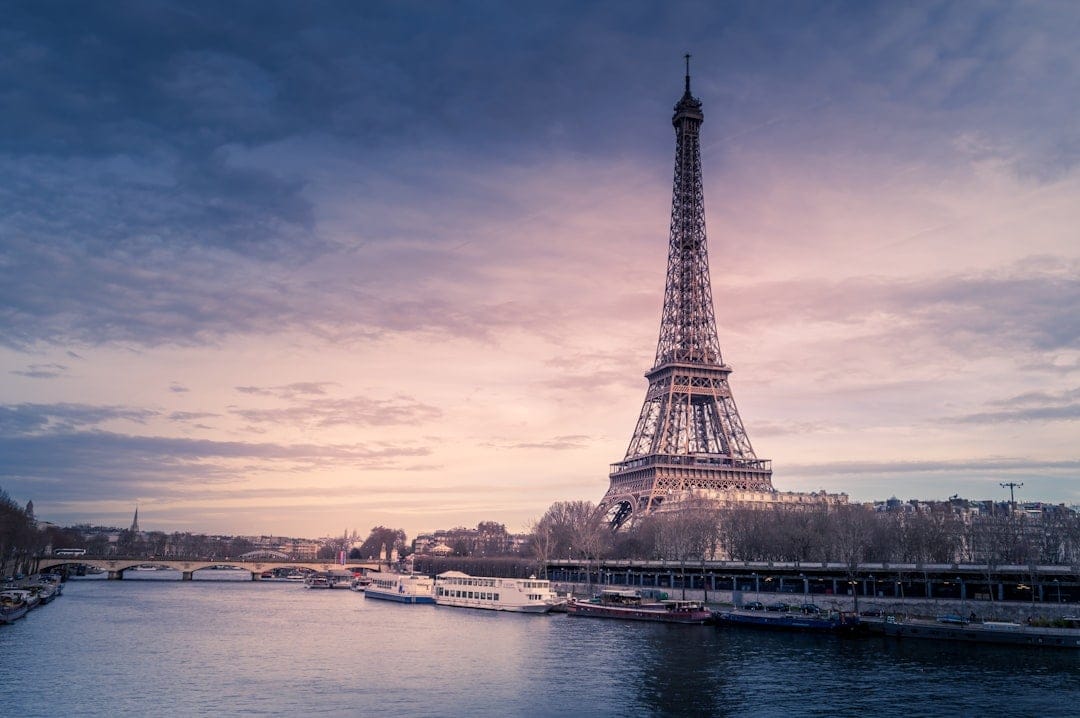
Paris has celebrated the Anglo-Saxon tradition of Halloween since the late 1990s, with growing adoption by local businesses and regional theme parks. You will see pumpkins and spiderwebs in pubs across the Marais or the Latin Quarter, but the tradition remains largely commercial. Parisians primarily use this time to host private costume parties, while families take part in trick-or-treating in residential neighbourhoods.
The city's macabre side rests on concrete historical facts. Beneath the streets, the municipal ossuary holds the remains of around six million people transferred from parish cemeteries closed in the 18th century. These sites of remembrance command respect and stand apart from seasonal attractions designed to scare visitors.
While exploring the Île de la Cité or the alleys of Montmartre, you come across buildings shaped by the French Revolution or medieval epidemics. Specialised guided tours draw upon these tragic events to recount the capital's criminal or sanitary history, offering a documentary alternative to standard haunted houses.
Rethinking the Management of the Deceased in the 18th Century
The macabre history of Paris centres around a major public health crisis that occurred in 1780 when a wall collapsed at the Holy Innocents' Cemetery. Faced with the risk of epidemic, the Council of State decreed in 1785 that the bones be moved to the former Tombe-Issoire quarries. These nocturnal transfers, overseen by the clergy, lasted until 1814 and created the ossuary known today. In parallel, Napoleon Bonaparte decreed the creation of major extra-muros necropolises in 1804, including Père Lachaise, to sanitise the urban core.
Historic Sites Tied to Mortality and Remembrance
The capital preserves tangible traces of its funerary and penitentiary past.
The Paris Catacombs
This underground ossuary houses the remains of six million Parisians along a 1.5-kilometre circuit twenty metres below ground.
À savoir : Online booking is strictly required and time slots sell out weeks in advance; the underground temperature remains a constant 14 degrees Celsius.
Père Lachaise Cemetery
Inaugurated in 1804, this 44-hectare burial ground contains 70,000 plots, including the graves of Jim Morrison and Oscar Wilde.
À savoir : Admission is free. Paper maps can be purchased at kiosks near the entrances or downloaded from the city council website.
Saint-Séverin Church
Built in the 13th century, it retains a cloister that once served as a parish charnel house where the dead were buried during medieval epidemics.
À savoir : Located in the Latin Quarter, admission is free outside of religious services.
Once you are there, let it guide you
The CityGuide Paris audio guide starts by itself in front of every stop on your itinerary.
Full audio guide
$21.90 $39.90
★ 4.8/5 · 15 reviews
30-day money-back guarantee
Île de la Cité and the Conciergerie
A former royal palace turned prison during the French Revolution, this building held Marie Antoinette prior to her execution in 1793.
À savoir : Visiting requires the purchase of a dedicated ticket or the use of a museum pass.
The Louvre Palace
Beyond the Pyramid, the Department of Egyptian Antiquities displays sarcophagi and human mummies preserved according to ancient burial rites.
À savoir : Booking a timed entry slot is mandatory, including for holders of free-admission passes.
Montmartre and its Cemeteries
The neighbourhood is home to Montmartre Cemetery, opened in 1825, and the small Saint-Vincent Cemetery, the final resting places of Dalida and Marcel Carné.
À savoir : The pathways are cobbled and occasionally steep, requiring suitable walking shoes.
Lutetia and the Roman Remains
The subsoil of the Latin Quarter reveals the foundations of the ancient Roman city, including an arena where gladiator combats took place in the 1st century.
À savoir : Access to the Arènes de Lutèce is free and open daily according to municipal park hours.
Events and Activities Around October 31st
The All Saints' period brings cultural and commercial initiatives focused on the themes of fear and mortality.
Night-time Guided Tours
Several tour operators offer walking routes through the Marais or Île de la Cité covering criminal cases, plague epidemics, and urban legends documented in police archives.
Special Museum Programming
Certain national institutions organise investigative games or themed tours around their more macabre collections in late October, requiring advance registration.
Suburban Theme Parks
Major parks located outside Paris adapt their decors and hire costumed actors to entertain and scare visitors during the weeks surrounding October 31st.
Weather and Crowds in October
In late October, Paris experiences average temperatures ranging between 9 and 15 degrees Celsius, with frequent rainfall totalling around 50 millimetres over the month. Autumn winds make evenings brisk, particularly along the banks of the Seine. This period coincides with the French All Saints' school holidays, leading to a noticeable increase in visitor numbers at national museums and historic landmarks.
Practical Advice for an Autumn Trip
-
In late October, the sun sets early due to the shift to standard time, shortening your daylight exploration hours.
-
Venues such as the Catacombs require booking several weeks in advance to secure a ticket.
-
In cemeteries, photography must respect the privacy of families visiting graves for All Saints' Day.
-
Rely on public transport, particularly the metro, as surface traffic is often slowed by autumn rains.
-
Keep your valuables in secure pockets, as crowded tourist areas regularly draw pickpockets.
Resources for Exploring the Darker Side of Paris
Different resources allow you to explore the capital's tragic history and funerary heritage.
Historical Print Guidebook
A volume focused on medieval and revolutionary history provides precise chronological reference points for the city's defining events.
True Crime Guided Tour
A professional guide details historical court cases and events using period records and local architecture.
Self-Guided Audio Tour
A mobile app triggers factual audio commentary on your smartphone as you walk past churches, public squares, and former charnel houses.
— Questions fréquentes
Frequently Asked Questions About Paris at Halloween
Yes, but to a lesser degree than in North America. The celebration mainly centres on private parties, theme parks, and limited commercial events.
They operate according to their standard opening days, from Tuesday to Sunday, provided that no weekly or exceptional closure falls on that date.
Under the national security plan (Vigipirate) and museum regulations, concealed faces and bulky accessories are generally prohibited.
No, opening hours for Parisian cemeteries follow the seasons, and gates close in the late afternoon starting in late October.
Yes, walking tours focused on crime or the macabre sell out several weeks before the end of October.
The RATP network runs according to its standard schedule, though extra services are sometimes provided on lines serving major theme parks outside the city.
— Pour aller plus loin
Explore the Historical Mysteries of Paris
Discover the factual history behind the facades of the Marais and Île de la Cité with our self-guided audio tour.
Download the App