

Travel Planning
How to Plan Your First Trip to Rome
Preparing for the Italian capital requires navigating early ticket releases for major sites, adjusting to European electrical standards, and understanding local dining etiquette.
Italy specialist · September 10, 2026 · 9 min read
Start by checking your US passport validity; Italy requires it to be valid for at least three months beyond your planned departure date from the Schengen area. You also need to monitor the upcoming ETIAS requirement, a travel authorization planned for visa-exempt visitors, which will require an online application prior to boarding your flight.
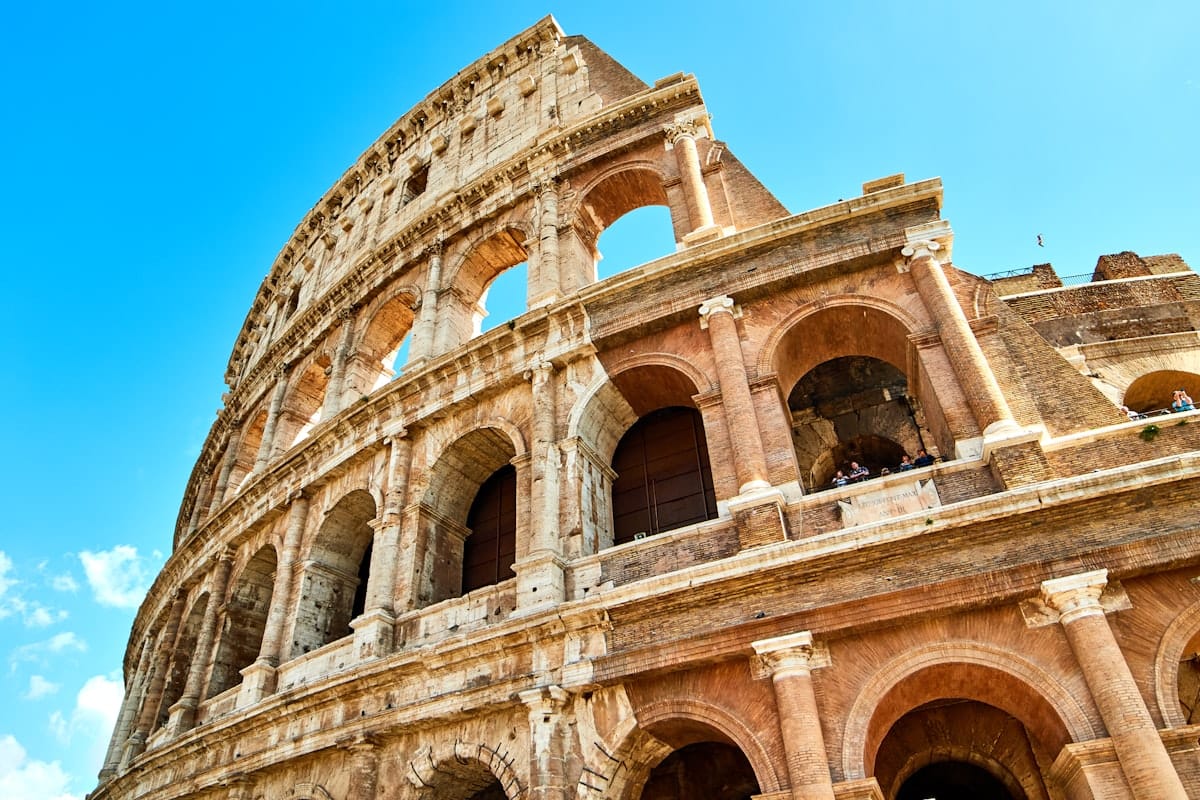
Secure your entry to major historical sites well in advance. Tickets for the Colosseum and the Vatican Museums operate on strict timed-entry systems and often sell out within hours of their release, typically 30 to 60 days ahead of the visit date depending on the official vendor.
Equip yourself for local logistics by purchasing a Type C or Type L plug adapter to convert from the standard American 120V to Italy's 230V system. Setting up an eSIM before you land at Fiumicino Airport ensures you have immediate data access to navigate the ATAC public transit network or use ride-hailing apps like Free Now.
What to Sort Out Before Leaving
Passport and ETIAS Authorization
Ensure your US passport has sufficient validity. Keep an eye on the rollout of the ETIAS program; once implemented, American citizens will need this electronic authorization approved before traveling to Italy, so check the official European Union portal before your departure.
Power Adapters and Voltage
Italy uses 230V electricity, unlike the 120V standard in the US. You need a Type C or Type L plug adapter, and you must verify that your electronics, particularly hair dryers or shavers, are dual-voltage, or they will fry when plugged into a Roman wall socket.
Mobile Data and eSIMs
International roaming through US carriers like AT&T or Verizon can incur high daily charges. Purchasing a prepaid eSIM from providers like Airalo or Holafly allows you to connect to local networks such as TIM or Vodafone immediately upon landing.
Currency and Travel Cards
While credit cards are widely accepted in Rome, foreign transaction fees can add up. Bring a Visa or Mastercard with no international fees, and plan to withdraw a small amount of Euros from a local bank ATM (Bancomat) for cash-only establishments like neighborhood espresso bars.
Booking Airport Transfers
Determine how you will get from Fiumicino (FCO) to the city center. The Leonardo Express train runs every 15 minutes to Termini Station, which is often faster than taking a fixed-rate white taxi, especially during the morning rush hour on the GRA ring road.
Once you are there, let it guide you
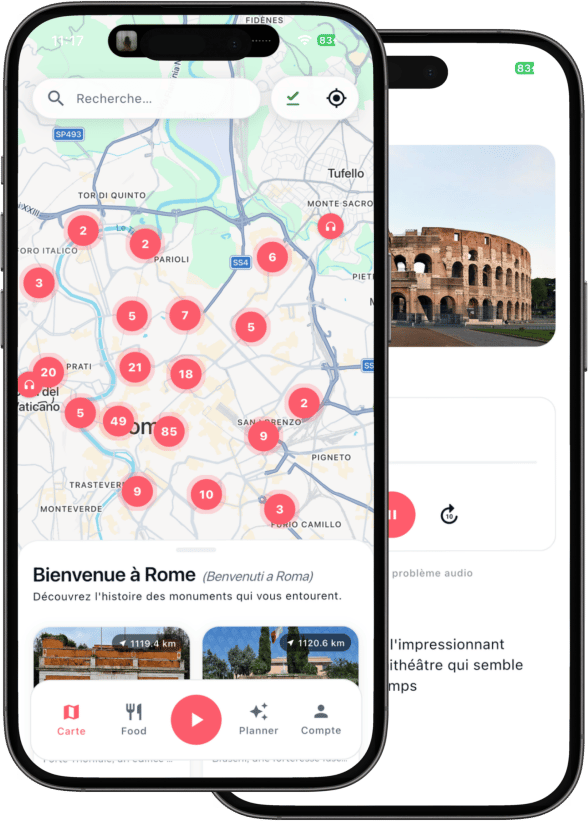
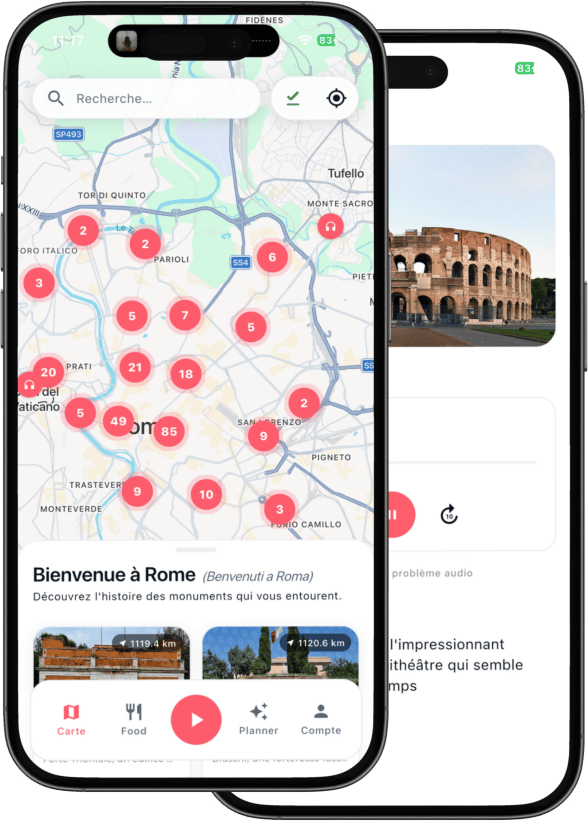
The CityGuide Rome audio guide starts by itself in front of every stop on your itinerary.
Full audio guide
$21.90 $39.90
★ 4.8/5 · 15 reviews
30-day money-back guarantee
When to Visit Rome
Rome experiences distinct seasons, each affecting hotel availability, flight costs, and access to outdoor archaeological sites.
Temperatures are mild, making it comfortable for walking the Palatine Hill. Hotel rates increase sharply around Easter when pilgrims arrive for papal masses at St. Peter's Basilica.
Expect high heat, often exceeding 90 degrees Fahrenheit, and peak international crowds. Many traditional trattorias close in August for the Ferragosto holiday, while coastal Romans head to the beach.
September remains busy with late-season travelers, but late October brings lower accommodation costs. Rainfall increases in November, requiring waterproof gear for outdoor queues.
This period offers the lowest flight and hotel prices, excluding the Christmas weeks. January and February are quiet, allowing for shorter lines at the Capitoline Museums and the Pantheon.
Budgeting for the Italian Capital
Your daily expenses will depend heavily on the neighborhood you choose and how often you rely on sit-down dining.
Hotels near the Spanish Steps or Piazza Navona command premium rates. Staying in residential neighborhoods like Testaccio or San Giovanni reduces nightly costs while keeping you on the Metro lines.
A cappuccino standing at the bar costs a fraction of what you pay to sit at a table. Dinner in a traditional osteria is generally more affordable than dining in the US, especially since tax is included and heavy tipping is not expected.
State museums and archaeological sites have fixed entry fees, but private guided tours increase costs significantly. Entry to all churches, including St. Peter's Basilica, is free, though you pay to climb the dome.
Single-ride BIT tickets for buses, trams, and the Metro are inexpensive and valid for 100 minutes. Multi-day passes offer savings if you plan to use public transit extensively rather than walking.
Navigating Rome on the Ground
Public Transit
Rome's Metro has three lines (A, B, and C) that bypass street traffic. Buses are frequent but often delayed; always validate your paper ticket in the yellow machines on board to avoid fines from transit inspectors.
Tipping Culture
Unlike the United States, waitstaff in Italy are paid a standard wage. A 'coperto' (bread and tableware charge) is often added to your restaurant bill; leaving a few extra Euros on the table is appreciated for exceptional service but never mandatory.
Dress Codes for Churches
Religious sites enforce strict dress codes. Guards at the Vatican and the Pantheon will deny entry if your shoulders or knees are exposed, regardless of the summer heat.
Safety and Pickpockets
Violent crime is rare, but pickpocketing is common in crowded areas like the Trevi Fountain and on the 64 bus route. Use a crossbody bag with a secure zipper and keep your passport in a hotel safe.
Dining Times
Romans eat dinner much later than Americans. Most restaurants do not open for dinner until 7:30 PM, and locals typically arrive after 8:30 PM. For lunch, service generally runs from 1:00 PM to 3:00 PM.
What to Book Ahead
Spontaneous visits to major historical sites are no longer possible in modern Rome.
-
Purchase Vatican Museums tickets on the official website exactly 60 days in advance to secure a morning slot before the tour groups arrive.
-
Book Colosseum entry tickets through the official Parco Archeologico portal as soon as they are released, as they sell out within hours.
-
Reserve a table at popular restaurants in Trastevere or Testaccio at least a week prior, especially for Friday or Saturday night dinners.
-
Buy your Galleria Borghese tickets weeks ahead; the museum strictly limits the number of visitors per two-hour time slot.
-
Secure high-speed train tickets on Trenitalia or Italo early if you plan a day trip to Florence or Naples, as prices rise closer to the departure date.
Tools to Enhance Your Visit
Several resources can help you navigate the ruins and Renaissance art.
Printed Guidebooks
Physical books provide historical context and map out neighborhoods, but restaurant recommendations quickly become outdated.
Group Guided Tours
Following a guide with a flag ensures you do not get lost in the Roman Forum, though you must adhere to the group's rigid pace.
Location-Aware Audio Guides
Smartphone apps use GPS to trigger historical commentary as you walk past the Theatre of Marcellus or Circus Maximus, letting you explore at your own speed.
— Questions fréquentes
Frequently Asked Questions
US citizens do not currently need a visa for tourist stays up to 90 days. However, you will soon need to apply for an ETIAS authorization before your trip, so check the official European Union website for implementation updates.
Yes, the tap water is safe. Rome has thousands of public drinking fountains, called nasoni, where you can refill a reusable bottle for free.
Uber operates in Rome, but only the premium Uber Black service is available, making it more expensive than standard taxis. The Free Now app is a practical alternative for hailing licensed city cabs.
While contactless card payments are standard in most shops and restaurants, you need small Euro coins for public restrooms, leaving a small tip, or buying produce at the Campo de' Fiori market.
A coperto is a per-person cover charge applied by many Italian restaurants, legally covering the cost of bread, linens, and tableware. It is listed on the menu and replaces the need for a percentage-based tip.
From Fiumicino Airport, the Leonardo Express train takes passengers directly to Termini Station. From Ciampino Airport, regional buses connect to the Metro A line.
— Pour aller plus loin
Ready for Rome?
Organize your itinerary, secure your museum tickets, and double-check your passport validity to ensure a smooth arrival in Italy.
Start Planning