

Autumn Travel
Visiting Rome at Halloween: Funerary Rites and Ancient Ruins
In late October, the Italian capital does not traditionally celebrate ghosts, yet its underground holds centuries of mortuary rituals. From the catacombs of the Appian Way to monastic crypts, the city offers a factual look at how Romans have approached death throughout history.
Italy specialist · September 10, 2026 · 9 min read
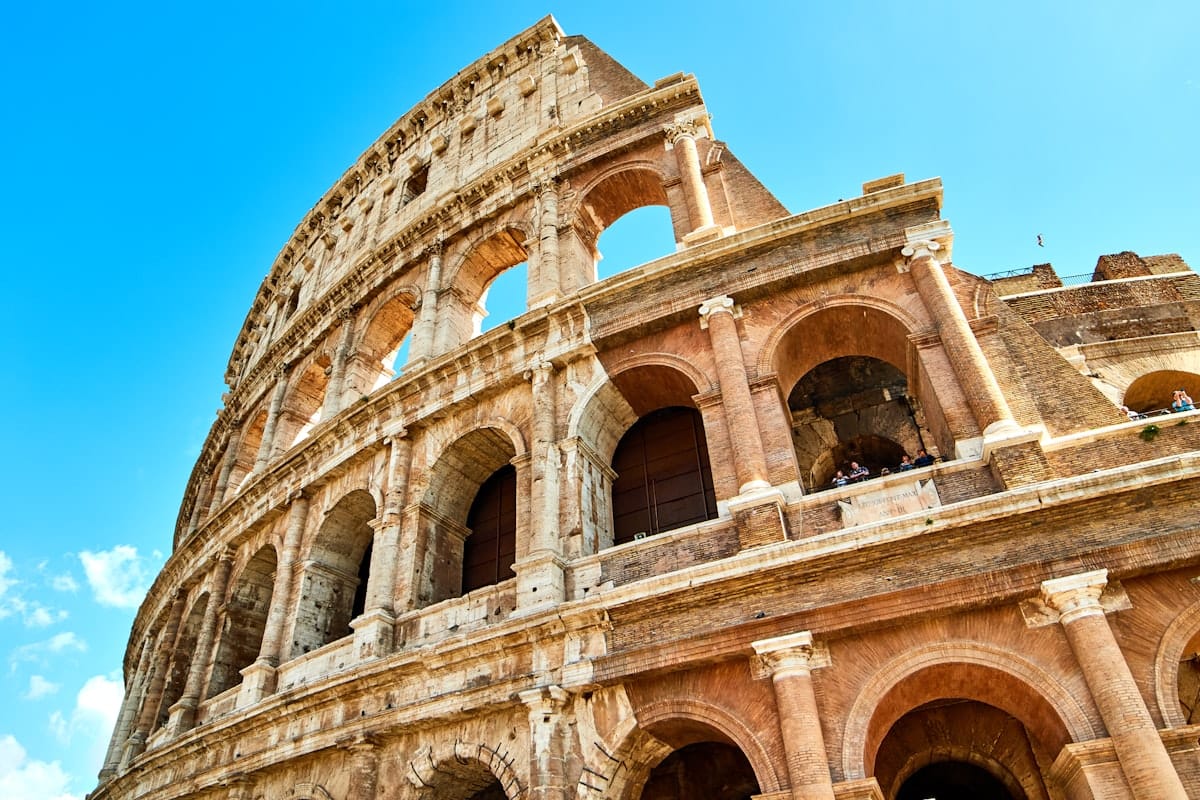
Historically, Rome has no ties to the Celtic festival of Samhain. All Saints' Day on November 1 and All Souls' Day on November 2 are traditional Catholic days of remembrance established in the 8th and 11th centuries, respectively.
Since the 2000s, storefronts in Trastevere and Piazza Navona have displayed pumpkins due to commercial trends. Irish pubs and clubs in Testaccio host costume parties around October 31, mostly drawing students and expatriates.
The real appeal of a trip in late October lies in exploring ancient and early Christian funerary heritage. The Appian Way and its catacombs let you observe genuine burial sites, far removed from the theatrical setups designed purely for entertainment.
The Cult of the Dead: From Antiquity to Christianity
The Law of the Twelve Tables, written around 450 BCE, strictly forbade burying or cremating bodies within the pomerium, the sacred boundary of Rome. As a result, patrician tombs lined consular roads such as the Appian Way. Beginning in the 2nd century, Christians excavated hundreds of kilometres of underground galleries in volcanic tuff to bury their dead, rejecting pagan cremation. Later, in the 17th century, the Capuchin friars used the bones of their deceased brethren to decorate crypts, creating a visual reminder of the brevity of human life.
Funerary and Memorial Sites to Explore
The city preserves burial grounds spanning more than two millennia.
The Appian Way and Its Catacombs
Paved in 312 BCE, this ancient road is lined with the Catacombs of Saint Callixtus and Saint Sebastian, which hold the tombs of several 3rd-century popes.
À savoir : Catacomb visits are guided exclusively by local clerical staff; you must book your time slot online.
The Capuchin Crypt
Beneath the church of Santa Maria della Concezione, six small chapels showcase the remains of roughly 4,000 Capuchin friars who died between 1528 and 1870.
À savoir : Photography is strictly prohibited inside to respect the solemn nature of the site.
The Vatican Necropolis
Located beneath St. Peter's Basilica, this 1st-century Roman burial ground is believed to contain the tomb of the Apostle Peter.
À savoir : Access is limited to 250 people per day; requests must be submitted months in advance to the Vatican Excavations Office.
Once you are there, let it guide you
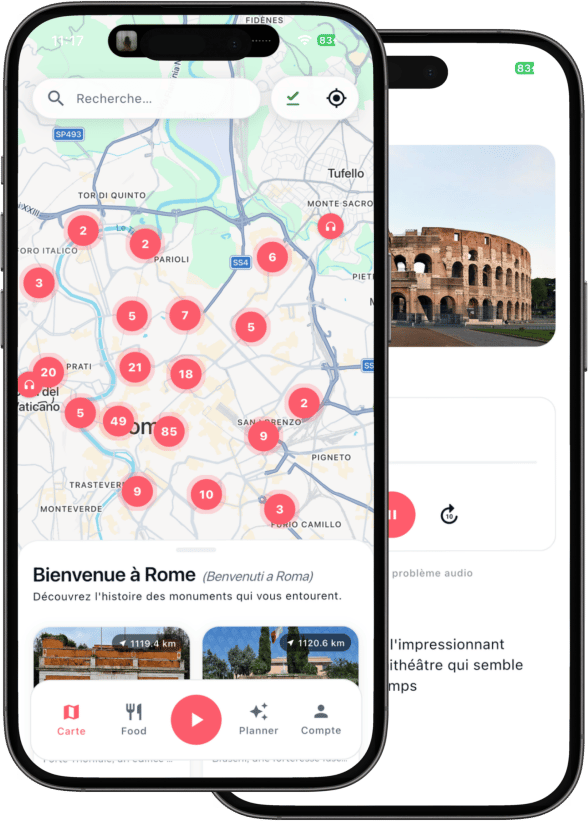
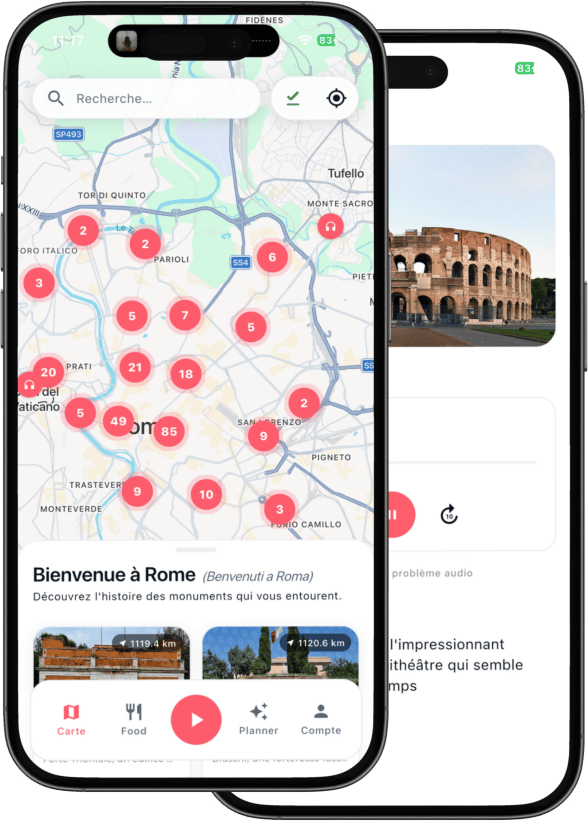
The CityGuide Rome audio guide starts by itself in front of every stop on your itinerary.
Full audio guide
$21.90 $39.90
★ 4.8/5 · 15 reviews
30-day money-back guarantee
Largo di Torre Argentina
This complex of four Republican-era temples includes the remains of the Curia of Pompey, the precise site where Julius Caesar was assassinated in 44 BCE.
À savoir : Recently added walkways now allow visitors to walk down among the ruins.
The Non-Catholic Cemetery in Testaccio
Established in the 18th century near the Pyramid of Cestius, it serves as the resting place for notable non-Catholics, including English poets John Keats and Percy Bysshe Shelley.
À savoir : Admission is granted for a suggested donation to help maintain the grounds and graves.
The Pantheon
A former pagan temple consecrated as a church in 609, it houses the tombs of the first kings of unified Italy, as well as the painter Raphael, who died in 1520.
À savoir : Entry now requires an admission ticket, and lines across Piazza della Rotonda can be long.
What Happens in Late October
The period balances solemn religious observances with imported celebrations.
Night Walking Tours
Tour operators run evening walking tours through the historic centre, detailing Renaissance-era public executions and dark local history around Campo de' Fiori and Piazza Navona.
Student Parties in Testaccio and Trastevere
Bars in Trastevere and nightlife venues around the former slaughterhouse in Testaccio organise themed parties on October 31, primarily attended by international students from Sapienza University.
All Saints' Day Observances
November 1 is a national public holiday in Italy. The Pope recites the Angelus prayer in St. Peter's Square, and Romans visit monumental cemeteries such as Campo Verano to leave flowers on family graves.
Autumn Weather and Crowds
October in Rome brings mild daytime temperatures averaging between 15°C and 22°C (59°F–72°F), a pleasant season known locally as the 'ottobrate romane'. Rain becomes more frequent toward the end of the month. Crowd levels stay high, especially over the All Saints' holiday weekend when European school breaks fill the Colosseum and the Vatican.
Tips for Planning Your Late October Trip
-
Daylight ends earlier once clocks fall back for daylight saving time in late October, so schedule outdoor visits for earlier in the day.
-
November 1 is a public holiday; state museum hours may vary, though major basilicas remain open.
-
Book the Colosseum and the Roman Forum well in advance, as European school holidays increase demand.
-
Keep your shoulders and knees covered when entering the catacombs, out of respect for these consecrated grounds.
-
Take the tram to reach Testaccio or Trastevere in the evening, as taxis can be difficult to find on busy party nights.
Ways to Explore the City
Several formats allow you to discover Rome's ruins and neighbourhoods at your own pace.
A Printed History Guide
Convenient for understanding the complex timeline of the Palatine Hill or the Roman Forum without draining your phone's battery.
A Themed Ghost and Mystery Tour
A dramatised group walk, usually conducted in English, focused on local legends and Inquisition trials.
A Location-Based Audio App
An ideal option for hearing the history of the Quirinal fountains or Caesar's assassination as you walk, complete with verified historical facts.
— Questions fréquentes
Frequently Asked Questions About Rome at Halloween
It is not an Italian tradition. Locals observe All Saints' Day (Ognissanti) on November 1 and All Souls' Day on November 2. Halloween is treated mainly as a commercial and nightlife event for younger crowds.
Most state-run museums and archaeological sites, including the Colosseum, remain open, but the Vatican Museums are typically closed.
No. The catacombs along the Appian Way close in the late afternoon and do not host special late-night Halloween events.
The Capuchin Crypt on Via Vittorio Veneto is the most famous site, with chapels decorated using the skeletal remains of thousands of friars.
Only if you are attending a private party or a designated club night. Romans do not dress up in costumes in normal public spaces or standard restaurants.
Daytime temperatures are mild, hovering around 20°C (68°F), but evenings get cool enough to require a light jacket or sweater, particularly near the Tiber River.
— Pour aller plus loin
Ready to Walk in the Footsteps of the Empire?
Uncover the details of Trajan's Forum, the scale of the Colosseum, and the deep history of the Vatican with expertly researched self-guided audio tours.
Download the Audio Guide